Q–LEAP
Summary
What This Bill Does
This bill amends the Research and Development, Competition, and Innovation Act authorization for the National Science Foundation Next Generation Quantum Leaders Pilot Program. The pilot supports education and training for the next generation of students and teachers in the fundamental principles of quantum mechanics, and the bill changes the end year from 2026 to 2028.
Who Benefits and How
Students in quantum education programs, teachers receiving quantum-training support, universities, schools, and quantum workforce programs benefit from two additional years of authorization. The extension gives NSF more runway to support quantum mechanics education and training that feeds the quantum research and technology workforce.
Who Bears the Burden and How
National Science Foundation program staff must continue managing the pilot, selecting or overseeing participants, and supporting quantum education activities for the extended period. Federal taxpayers bear the continued support cost if Congress funds the program through the longer authorization window.
Key Provisions
- Extends the Next Generation Quantum Leaders Pilot Program authorization from 2026 to 2028.
- Supports continued quantum mechanics education and training for students.
- Supports continued quantum education and training for teachers.
- Requires NSF program administrators to manage the pilot through the longer authorization period.
Evidence Chain:
This summary is generated from the full bill text using AI analysis. Expand "Detailed Analysis" below for identified beneficiaries/burden bearers with clause-level evidence links.
At a Glance
What This Bill Does
Extend the National Science Foundation Next Generation Quantum Leaders Pilot Program authorization from 2026 through 2028.
Key Policy Areas
Research, Education, Technology
Primary Purpose
Extend the National Science Foundation Next Generation Quantum Leaders Pilot Program authorization from 2026 through 2028.
Policy Domains
Substantive provisions
Identified Gains
- Students in quantum education programs
- Teachers in quantum education programs
- Universities
- Schools
- Quantum workforce programs
Identified Costs
- National Science Foundation program staff
- Federal taxpayers
Sponsors

Legislative Progress
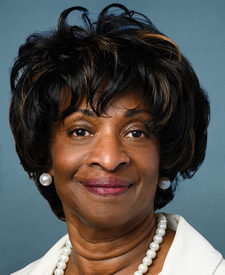
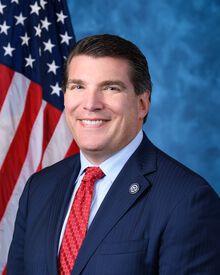
In CommitteeMrs. Foushee (for herself and Mr. Obernolte) introduced the following …
Referred to the House Committee on Science, Space, and Technology.
Introduced in House
Stakeholder Effects
cui bono?How this legislation distributes effects. Mention counts reflect frequency, not effect magnitude.
Students in quantum education programs, Teachers in quantum education programs
Bill Structure & Actor Mappings
Who is "The Secretary" in each section?
- "Cost bearers"
- → ['Federal taxpayers']
- "Beneficiaries"
- → ['Students', 'Teachers', 'Universities', 'Schools', 'Workforce programs']
- "Administrators"
- → ['National Science Foundation program staff']
Key Definitions
Terms defined in this bill
We use a combination of our own taxonomy and classification in addition to large language models to assess meaning and potential beneficiaries. High confidence means strong textual evidence. Always verify with the original bill text.
Learn more about our methodology