Connecting Caregivers to Medicare Act of 2025
Summary
What This Bill Does
This bill amends the Medicare information statute to require the Secretary of Health and Human Services to conduct outreach and education about a caregiver information-access option through 1-800-MEDICARE. Medicare beneficiaries and applicants for Part A or Part B would be told that they can complete a specified family caregiver information access authorization form allowing a family caregiver to access their personal health information through the Medicare toll-free line. The outreach must reach beneficiaries, providers, suppliers, family caregivers, and other appropriate entities and must include fraud-prevention best practices.
Who Benefits and How
Medicare beneficiaries, Medicare applicants, family caregivers, and providers benefit from clearer education about how caregiver authorization works through 1-800-MEDICARE. Family caregivers gain a more visible pathway to help beneficiaries navigate Medicare information when the beneficiary has authorized access.
Who Bears the Burden and How
The Secretary of Health and Human Services, Centers for Medicare and Medicaid Services staff, 1-800-MEDICARE call-center administrators, providers, and suppliers must support outreach, education, authorization-form awareness, fraud-prevention messaging, and information-access workflows while preserving beneficiary control over personal health information.
Key Provisions
- Requires outreach and education about authorizing a family caregiver to access Medicare personal health information through 1-800-MEDICARE.
- Requires education for Medicare Part A and Part B beneficiaries, applicants, providers, suppliers, family caregivers, and other appropriate entities.
- Requires outreach on fraud-prevention best practices tied to caregiver information access.
- Uses a specified caregiver information access authorization form as the gateway for family caregiver access.
Evidence Chain:
This summary is generated from the full bill text using AI analysis. Expand "Detailed Analysis" below for identified beneficiaries/burden bearers with clause-level evidence links.
At a Glance
What This Bill Does
Require Medicare outreach and education so beneficiaries and applicants can authorize family caregivers to access personal health information through 1-800-MEDICARE.
Key Policy Areas
Medicare, Caregiving, Healthcare, Privacy
Primary Purpose
Require Medicare outreach and education so beneficiaries and applicants can authorize family caregivers to access personal health information through 1-800-MEDICARE.
Policy Domains
Substantive provisions
Identified Gains
- Medicare beneficiaries
- Medicare applicants
- Family caregivers
- Health care providers
- Medical suppliers
Identified Costs
- Secretary of Health and Human Services
- Centers for Medicare and Medicaid Services staff
- 1-800-MEDICARE call-center administrators
- Health care providers
- Medical suppliers
Sponsors

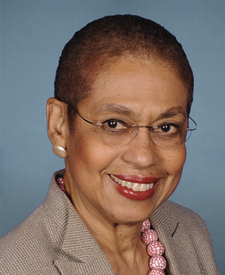

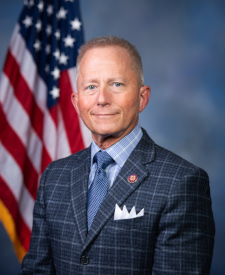
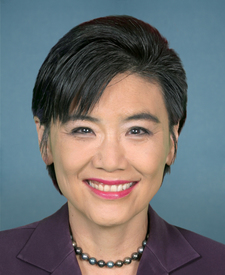
Legislative Progress
In CommitteeReferred to the Committee on Ways and Means, and in …
Introduced in House
Mr. Carey (for himself and Ms. Chu) introduced the following …
Stakeholder Effects
cui bono?How this legislation distributes effects. Mention counts reflect frequency, not effect magnitude.
Health care providers explaining caregiver access, Medicare beneficiaries authorizing caregiver access
Positive-direction: Medicare beneficiaries authorizing caregiver access
Negative-direction: Health care providers explaining caregiver access
1-800-MEDICARE call-center administrators, Centers for Medicare and Medicaid Services staff
Family caregivers helping Medicare beneficiaries
Bill Structure & Actor Mappings
Who is "The Secretary" in each section?
- "Beneficiaries"
- → ['Medicare beneficiaries', 'Medicare applicants', 'Family caregivers', 'Providers', 'Suppliers']
- "Administrators"
- → ['Secretary of Health and Human Services', 'Centers for Medicare and Medicaid Services staff', 'Call-center administrators']
Key Definitions
Terms defined in this bill
We use a combination of our own taxonomy and classification in addition to large language models to assess meaning and potential beneficiaries. High confidence means strong textual evidence. Always verify with the original bill text.
Learn more about our methodology