HERO Act
Summary
What This Bill Does
This bill repeals 10 U.S.C. 2733a and adds a new Federal Tort Claims Act section allowing claims against the United States for personal injury or death of uniformed service members caused by negligent or wrongful medical, dental, or related health care functions at covered military medical treatment facilities. It covers clinical studies and investigations, applies to government employees acting within scope, makes the United States the exclusive defendant for the same subject matter, sets a 10-year discovery-based filing period, bars offsets for VA disability compensation or Servicemembers Group Life Insurance, and removes certain foreign-country and combat-activity barriers for covered claims.
Who Benefits and How
Injured service members, families of service members who die from military medical malpractice, VA benefit recipients, SGLI beneficiaries, and medical malpractice attorneys benefit from a stronger judicial remedy and clearer damages path. Individual military medical employees also gain protection from personal civil suits because the claim runs against the United States rather than the employee.
Who Bears the Burden and How
The Department of Defense and military medical treatment facilities must manage higher malpractice litigation risk, preserve records, and respond to claims. Department of Justice attorneys must defend the United States in court, the Treasury must pay court judgments for proven claims, and federal taxpayers bear the costs of those payouts and any related reporting obligations.
Key Provisions
- Repeals the existing 10 U.S.C. 2733a administrative claims process for covered military medical malpractice claims.
- Creates a Federal Tort Claims Act path for injury or death claims involving military medical, dental, or related health care.
- Protects awards from reduction by VA disability compensation or Servicemembers Group Life Insurance payments.
- Extends covered claims to a 10-year discovery-based statute of limitations.
- Requires federal defense and payout handling because the United States becomes the exclusive defendant.
Evidence Chain:
This summary is generated from the full bill text using AI analysis. Expand "Detailed Analysis" below for identified beneficiaries/burden bearers with clause-level evidence links.
At a Glance
What This Bill Does
Replace the limited military medical malpractice administrative process with a Federal Tort Claims Act lawsuit path for injuries or deaths caused by improper care at covered military medical treatment facilities.
Key Policy Areas
Defense, Healthcare, Courts, Veterans
Primary Purpose
Replace the limited military medical malpractice administrative process with a Federal Tort Claims Act lawsuit path for injuries or deaths caused by improper care at covered military medical treatment facilities.
Policy Domains
Substantive provisions
Identified Gains
- Injured service members
- Families of deceased service members
- VA benefit recipients
- SGLI beneficiaries
- Medical malpractice attorneys
Identified Costs
- Department of Defense
- Military medical treatment facilities
- Department of Justice attorneys
- U.S. Treasury
- Federal taxpayers
Sponsors




Legislative Progress
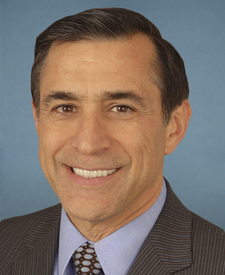
In CommitteeMr. Issa (for himself, Mr. Hudson, and Mr. Panetta) introduced …
Referred to the Committee on the Judiciary, and in addition …
Introduced in House
Stakeholder Effects
cui bono?How this legislation distributes effects. Mention counts reflect frequency, not effect magnitude.
Families of deceased service members, SGLI beneficiaries, VA disability benefit recipients
Active duty service members at military treatment facilities, Injured service members seeking malpractice damages
Department of Defense medical facilities, Military health care employees shielded from personal suits
Positive-direction: Military health care employees shielded from personal suits
Negative-direction: Department of Defense medical facilities
Department of Justice attorneys defending claims, Federal government defending tort claims
Bill Structure & Actor Mappings
Who is "The Secretary" in each section?
- "Beneficiaries"
- → ['Service members', 'Families', 'VA benefit recipients', 'SGLI beneficiaries', 'Attorneys']
- "Burden bearers"
- → ['Department of Defense', 'Military medical treatment facilities', 'Department of Justice attorneys', 'U.S. Treasury', 'Federal taxpayers']
Key Definitions
Terms defined in this bill
We use a combination of our own taxonomy and classification in addition to large language models to assess meaning and potential beneficiaries. High confidence means strong textual evidence. Always verify with the original bill text.
Learn more about our methodology