MOVE Act
Summary
What This Bill Does
The MOVE Act directs DOT through NHTSA to study how personal and platform-based micromobility technologies and high-speed personal transportation devices affect injuries and deaths, with a focus on children and young adults. NHTSA must review crash data including device type, speed, infrastructure, vehicle involvement, and vehicle speed. Based on the study, NHTSA must develop best practices for nonmotorized road users by device type, motor power, maximum powered speed, and state rules for operator age, helmets, insurance, or registration. It must create a mobility education program with safe-street practices and consumer information on speed, modification potential above 20 miles per hour, e-bike class, and state law requirements, and incorporate the Safe System Approach. The bill also amends section 405(g) to include nonmotorized road user safety for emerging micromobility technology issues.
Who Benefits and How
Children, young adults, nonmotorized road users, parents, schools, local safety planners, and consumers benefit from better crash data, best practices, and safety education for e-bikes, scooters, unicycles, skateboards, and high-speed personal transportation devices.
Who Bears the Burden and How
NHTSA staff must run the study, analyze crash data, develop best practices, produce consumer education, and integrate the Safe System Approach. Micromobility manufacturers and platform operators may face more scrutiny over device speed, power, modification potential, age rules, helmet rules, insurance, and registration requirements.
Key Provisions
- Requires NHTSA to study micromobility and high-speed personal transportation device injury and death risks.
- Directs review of crash data by device type, speed, infrastructure, vehicle involvement, and vehicle speed.
- Requires best practices and consumer education for nonmotorized road users using the Safe System Approach.
- Expands section 405 nonmotorized road user safety activities to include emerging micromobility technology issues.
Evidence Chain:
This summary is generated from the full bill text using AI analysis. Expand "Detailed Analysis" below for identified beneficiaries/burden bearers with clause-level evidence links.
At a Glance
What This Bill Does
Requires NHTSA to study micromobility safety, develop best practices and education, and add emerging micromobility issues to nonmotorized road user safety activities.
Key Policy Areas
Transportation, Technology, Consumers
Primary Purpose
Requires NHTSA to study micromobility safety, develop best practices and education, and add emerging micromobility issues to nonmotorized road user safety activities.
Policy Domains
Substantive provisions
Identified Gains
- children
- young adults
- nonmotorized road users
- parents
- schools
- consumers
Identified Costs
- National Highway Traffic Safety Administration staff
- micromobility manufacturers
- platform operators
Sponsors

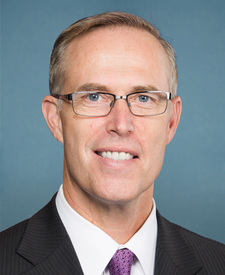
Dina Titus
D-NV | Primary Sponsor
Legislative Progress
In CommitteeReferred to the Subcommittee on Highways and Transit.
Ms. Titus introduced the following bill; which was referred to …
Referred to the House Committee on Transportation and Infrastructure.
Introduced in House
Stakeholder Effects
cui bono?How this legislation distributes effects. Mention counts reflect frequency, not effect magnitude.
children using micromobility devices, young adults using micromobility devices
micromobility manufacturers facing safety scrutiny, nonmotorized road users
Positive-direction: nonmotorized road users
Negative-direction: micromobility manufacturers facing safety scrutiny
National Highway Traffic Safety Administration micromobility staff
Bill Structure & Actor Mappings
Who is "The Secretary" in each section?
- "Secretary"
- → Secretary of Transportation
- "Administrator"
- → National Highway Traffic Safety Administration Administrator
We use a combination of our own taxonomy and classification in addition to large language models to assess meaning and potential beneficiaries. High confidence means strong textual evidence. Always verify with the original bill text.
Learn more about our methodology