EAT Healthy Foods from Local Farmers Act
Summary
What This Bill Does
The EAT Healthy Foods from Local Farmers Act amends the Emergency Food Assistance Act to let USDA provide states with project funds to buy fruits, vegetables, dairy, meat, seafood, grains, poultry, and other commodity foods from eligible small-business growers, packers, processors, distributors, food hubs, and cooperatives. Eligible entities include underserved, women-owned, veteran-owned, beginning-farmer, small-farm, mid-sized family-farm, and locally committed suppliers able to deliver food to emergency feeding organizations. States must submit plans listing eligible entities and emergency feeding partners, timelines, optional priority products, and performance standards. USDA must issue guidance within 180 days, allocate and reallocate funds, require regular state financial reports, allow cooperative agreements across states, and report after four years on nutrition, supply-chain resiliency, economic opportunity, and implementation. It authorizes 200 million dollars per year for fiscal years 2026 through 2030. The bill also creates a USDA cross-agency working group to review how procurement can support broader producers, culturally or religiously relevant foods, nutrition security, local food systems, rural jobs, and reduced ownership concentration.
Who Benefits and How
Small farmers, beginning farmers, women-owned producers, veteran-owned producers, food hubs, cooperatives, emergency feeding organizations, and food-insecure households benefit from new purchasing dollars and state partnerships. Communities with culturally or religiously relevant food needs benefit when states can prioritize appropriate products.
Who Bears the Burden and How
USDA staff must issue guidance, allocate 200 million dollars per year, reallocate unused funds, run reporting, and operate the procurement working group. State agencies must submit plans, manage purchasing projects, file regular financial reports, meet minimum standards, and submit cooperative agreements within 15 days. Federal taxpayers bear the grant cost.
Key Provisions
- Authorizes 200 million dollars per year from fiscal years 2026 through 2030 for state food-purchasing projects.
- Requires states to buy priority agricultural products from eligible local or regional producers for emergency feeding organizations.
- Directs USDA to issue guidance within 180 days, set performance standards, require state financial reports, and submit a four-year evaluation.
- Creates a USDA cross-agency working group on food procurement, producer access, nutrition security, culturally relevant foods, rural jobs, and ownership concentration.
Evidence Chain:
This summary is generated from the full bill text using AI analysis. Expand "Detailed Analysis" below for identified beneficiaries/burden bearers with clause-level evidence links.
At a Glance
What This Bill Does
Authorizes USDA funding for states to buy priority agricultural products from local eligible producers for emergency feeding organizations and creates a USDA procurement working group.
Key Policy Areas
Agriculture, Food & Beverage, Social Services, State & Local Government
Primary Purpose
Authorizes USDA funding for states to buy priority agricultural products from local eligible producers for emergency feeding organizations and creates a USDA procurement working group.
Policy Domains
Substantive provisions
Identified Gains
- small farmers
- beginning farmers
- women-owned producers
- veteran-owned producers
- food hubs
- emergency feeding organizations
- households
Identified Costs
- USDA staff
- state agencies
- federal taxpayers
Sponsors

Legislative Progress
In CommitteeReferred to the Subcommittee on Nutrition and Foreign Agriculture.
Referred to the House Committee on Agriculture.
Introduced in House
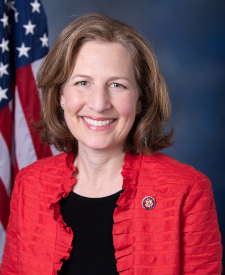
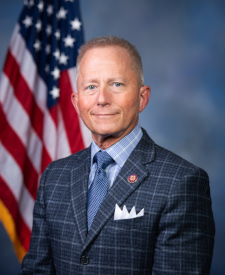
Ms. Schrier (for herself, Mr. Van Drew, and Ms. Bonamici) …
Stakeholder Effects
cui bono?How this legislation distributes effects. Mention counts reflect frequency, not effect magnitude.
agricultural producers seeking USDA procurement access, agricultural product distributors seeking USDA procurement access, beginning farmers selling priority foods
USDA procurement working group staff, congressional agriculture committees receiving reports
Positive-direction: congressional agriculture committees receiving reports
Negative-direction: USDA procurement working group staff
emergency feeding organizations distributing purchased food
state agencies administering food purchase projects
Bill Structure & Actor Mappings
Who is "The Secretary" in each section?
- "Secretary"
- → Secretary of Agriculture
We use a combination of our own taxonomy and classification in addition to large language models to assess meaning and potential beneficiaries. High confidence means strong textual evidence. Always verify with the original bill text.
Learn more about our methodology