Restoring American Mineral Security Act of 2025
Summary
What This Bill Does
The Restoring American Mineral Security Act builds a trade-and-finance framework for critical minerals. It states that the United States depends heavily on China for key mineral production and processing and that coordinated trade tools with trusted partners can counter oversupply, forced labor, transshipment, and market manipulation. The bill defines critical minerals, derivative products such as semiconductor wafers, batteries, permanent magnets, motors, smartphones, microprocessors, radar systems, and wind turbines, foreign countries of concern, foreign entities of concern, processed minerals, and select derivative products. USTR may negotiate a Critical Minerals Security Alliance with countries that adopt comparable duties or trade remedies against foreign-country-of-concern supply, join regular meetings, review capacity, eliminate duties among Alliance members, address transshipment and forced labor, maintain investment screening, use effective trade remedies, and coordinate duty policy. Alliance-country imports of covered minerals and select derivative products enter duty-free and are exempt from later section 301 or section 232 duties, while imports sourced from foreign countries of concern face the January 1, 2026 China section 301 duty rate once the first agreement enters force. Duty receipts flow quarterly into a Treasury trust fund available without further appropriation: 60 percent to DOE Loan Programs Office mineral and derivative-product projects, 20 percent to DOD projects, and 20 percent to the Development Finance Corporation for international projects in Alliance countries, including upper-middle-income or high-income economies when certified by the President.
Who Benefits and How
United States critical mineral producers, processors, battery makers, magnet makers, defense manufacturers, and allied-country mineral projects benefit from tariff protection, duty-free Alliance trade, and trust-fund financing. DOE, DOD, and the Development Finance Corporation gain dedicated funding streams for mining, processing, and derivative-product projects.
Who Bears the Burden and How
USTR, Commerce, Treasury, State, congressional committees, Treasury trust fund staff, DOE, DOD, and DFC administrators must negotiate, certify, consult, review, and finance the Alliance. Manufacturers and importers using foreign-country-of-concern mineral inputs face higher duties. Foreign-country-of-concern exporters and foreign entities of concern lose market access or price competitiveness.
Key Provisions
- Creates a Critical Minerals Security Alliance for trusted trading partners that meet tariff, trade-remedy, investment-screening, capacity-review, and anti-transshipment criteria.
- Requires USTR consultation with Commerce, Treasury, State, and congressional committees before certifying eligible Alliance countries.
- Imposes China-equivalent section 301 duty rates on covered critical minerals and select derivative products from foreign countries of concern after the first Alliance agreement enters force.
- Establishes a Treasury trust fund that sends duty revenue to DOE, DOD, and Development Finance Corporation critical-mineral projects.
- Provides duty-free and section 301 or 232 duty exemptions for Alliance-country covered mineral imports once agreements enter force.
Evidence Chain:
This summary is generated from the full bill text using AI analysis. Expand "Detailed Analysis" below for identified beneficiaries/burden bearers with clause-level evidence links.
At a Glance
What This Bill Does
Creates a Critical Minerals Security Alliance, raises duties on covered critical minerals from foreign countries of concern, and uses duty revenue to support United States and allied mineral projects.
Key Policy Areas
Trade, Energy, Manufacturing, Defense, Foreign Policy
Primary Purpose
Creates a Critical Minerals Security Alliance, raises duties on covered critical minerals from foreign countries of concern, and uses duty revenue to support United States and allied mineral projects.
Policy Domains
Substantive provisions
Identified Gains
- United States critical mineral producers
- critical mineral processors
- battery makers
- magnet makers
- defense manufacturers
- allied-country mineral projects
Identified Costs
- United States Trade Representative staff
- Treasury trust fund staff
- Department of Energy administrators
- Department of Defense administrators
- Development Finance Corporation administrators
- manufacturers using foreign mineral inputs
- foreign-country-of-concern exporters
Sponsors

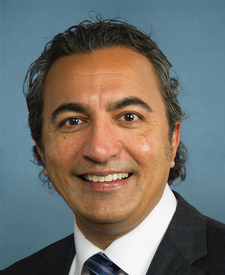

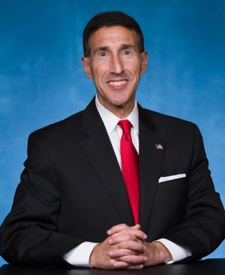
Legislative Progress
In CommitteeMr. Panetta (for himself and Mr. Kustoff) introduced the following …
Referred to the Committee on Ways and Means, and in …
Introduced in House
Stakeholder Effects
cui bono?How this legislation distributes effects. Mention counts reflect frequency, not effect magnitude.
Department of Energy Loan Programs Office staff, Development Finance Corporation administrators, Treasury trust fund staff
United States critical mineral producers, United States critical mineral projects, critical mineral producers covered by definitions
allied countries joining mineral alliance, allied-country mineral projects, foreign entities of concern facing coordinated remedies
Positive-direction: allied countries joining mineral alliance, allied-country mineral projects
Negative-direction: foreign entities of concern facing coordinated remedies, foreign-country-of-concern exporters
critical mineral processors, manufacturers of derivative products, manufacturers using foreign mineral inputs
Positive-direction: critical mineral processors
Negative-direction: manufacturers of derivative products, manufacturers using foreign mineral inputs
Department of Defense mineral project administrators, defense manufacturers needing critical minerals
Bill Structure & Actor Mappings
Who is "The Secretary" in each section?
- "Alliance"
- → Critical Minerals Security Alliance
- "Trade Representative"
- → United States Trade Representative
Key Definitions
Terms defined in this bill
A permanent magnet, lithium-ion battery for an electric vehicle, lithium-ion battery for a non-electric vehicle, or a non-lithium-ion battery part.
We use a combination of our own taxonomy and classification in addition to large language models to assess meaning and potential beneficiaries. High confidence means strong textual evidence. Always verify with the original bill text.
Learn more about our methodology