FUBAR Act
Summary
What This Bill Does
The FUBAR Act overrides the normal congressional pay statute when Congress fails to enact a regular appropriations bill or continuing resolution and a federal agency or department experiences an appropriations lapse. Starting on the first day of that lapse and continuing through the last day of that congressional session, each Member of Congress would be paid at a rate of one dollar. The rule applies only to days after the next regularly scheduled federal general election following enactment, so it targets future Congresses rather than immediately cutting pay in the current one.
Who Benefits and How
Taxpayers and the general public benefit from a direct financial penalty intended to pressure lawmakers to avoid shutdown-related funding lapses. Federal spending on congressional compensation falls during covered lapses.
Who Bears the Burden and How
Members of Congress bear the direct burden because their pay rate must drop to one dollar for the covered period. House and Senate payroll administrators must implement the reduction after the next federal general election when a qualifying appropriations lapse occurs.
Key Provisions
- Requires Member of Congress pay to fall to one dollar during qualifying appropriations lapses.
- Provides that the reduced rate begins on the first lapse day and continues through the end of that congressional session.
- Defines Member of Congress by cross-reference to the Legislative Reorganization Act pay provision.
- Applies the rule only to days after the next regularly scheduled federal general election after enactment.
Evidence Chain:
This summary is generated from the full bill text using AI analysis. Expand "Detailed Analysis" below for identified beneficiaries/burden bearers with clause-level evidence links.
At a Glance
What This Bill Does
Reduces Member of Congress pay to one dollar for the rest of a congressional session after an appropriations lapse caused by failure to pass funding.
Key Policy Areas
Government, Budget
Primary Purpose
Reduces Member of Congress pay to one dollar for the rest of a congressional session after an appropriations lapse caused by failure to pass funding.
Policy Domains
Substantive provisions
Identified Gains
- taxpayers
- general public
Identified Costs
- Members of Congress
- House payroll administrators
- Senate payroll administrators
Sponsors
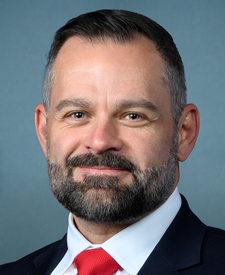
Legislative Progress
In CommitteeMr. Mills introduced the following bill; which was referred to …
Referred to the Committee on House Administration, and in addition …
Introduced in House
Stakeholder Effects
cui bono?How this legislation distributes effects. Mention counts reflect frequency, not effect magnitude.
House payroll administrators implementing pay reduction, Members of Congress subject to shutdown pay reduction, Senate payroll administrators implementing pay reduction
Bill Structure & Actor Mappings
Who is "The Secretary" in each section?
- "Member of Congress"
- → An individual serving in a covered congressional position under 2 U.S.C. 4501.
We use a combination of our own taxonomy and classification in addition to large language models to assess meaning and potential beneficiaries. High confidence means strong textual evidence. Always verify with the original bill text.
Learn more about our methodology