PFAS Research and Development Reauthorization Act of 2025
Summary
What This Bill Does
The PFAS Research and Development Reauthorization Act of 2025 is a short reauthorization bill. It amends section 7362(b) of the National Defense Authorization Act for Fiscal Year 2020 by replacing 2024 with 2030. The effect is to continue the underlying PFAS research and development authorization for six additional years. The bill does not rewrite the PFAS program structure in this text; it extends the authorization window so federal research and development work on per- and polyfluoroalkyl substances can continue through 2030.
Who Benefits and How
PFAS researchers benefit because the authorization period continues through 2030 rather than ending at 2024. Federal science agencies and research programs benefit from a longer statutory window for PFAS research and development. Communities affected by PFAS contamination may benefit if extended research improves detection, treatment, remediation, or health understanding. Environmental health advocates benefit from continued federal attention to PFAS science.
Who Bears the Burden and How
Federal program managers must plan PFAS research and development activities under the extended authorization. Agencies and researchers still need appropriated funds and project management beyond the authorization change. Federal taxpayers bear the cost of any future appropriations made under the extended authority. Regulated entities may face future policy or technical changes informed by extended PFAS research.
Key Provisions
- Extends the PFAS research and development authorization from 2024 to 2030.
- Amends section 7362(b) of the FY2020 National Defense Authorization Act.
- Provides a longer statutory window for federal PFAS research and development work.
- Preserves the underlying program structure while changing the authorization date.
Evidence Chain:
This summary is generated from the full bill text using AI analysis. Expand "Detailed Analysis" below for identified beneficiaries/burden bearers with clause-level evidence links.
At a Glance
What This Bill Does
Extends the PFAS research and development authorization in section 7362(b) of the FY2020 National Defense Authorization Act from 2024 through 2030.
Key Policy Areas
PFAS, Research and Development, Environmental Health, Science
Primary Purpose
Extends the PFAS research and development authorization in section 7362(b) of the FY2020 National Defense Authorization Act from 2024 through 2030.
Policy Domains
Substantive provisions
Identified Gains
- PFAS researchers
- Federal science agencies
- Research programs
- Communities affected by PFAS
- Environmental health advocates
Identified Costs
- Federal program managers
- Research agencies
- Federal taxpayers
- Regulated entities
Sponsors
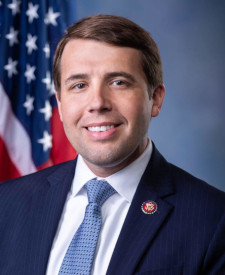

Legislative Progress
In CommitteeReferred to the Subcommittee on Water Resources and Environment.
Mr. Pappas (for himself and Mr. Fitzpatrick) introduced the following …
Referred to the Committee on Energy and Commerce, and in …
Introduced in House
Bill Structure & Actor Mappings
Who is "The Secretary" in each section?
- "PFAS"
- → Per- and polyfluoroalkyl substances
- "FY2020 NDAA"
- → National Defense Authorization Act for Fiscal Year 2020
Key Definitions
Terms defined in this bill
We use a combination of our own taxonomy and classification in addition to large language models to assess meaning and potential beneficiaries. High confidence means strong textual evidence. Always verify with the original bill text.
Learn more about our methodology