BASIC Act
Summary
What This Bill Does
The BASIC Act targets conflicts of interest involving special government employees. It adds a new 18 U.S.C. 221 making it unlawful, except for specified exclusions, for a special government employee to knowingly demand, seek, receive, accept, or agree to receive a covered federal award offered or issued by the agency that employs that person. Covered awards include contracts, grants, cooperative agreements, other contract-like instruments, and other transaction authority agreements worth more than $1 million annually. The bill treats awards to certain relatives, household members, spouses, minor children, general partners, or organizations connected to the employee as indirect receipt when the employee has knowledge, acquiescence, work involvement, employment negotiations, or compensation traceable to the award. It excludes advisory-committee-only members, lower-level GS-10 comparable duties, and student-only positions. FAR part 3 and 2 CFR part 200 must be revised within 60 days to prevent covered awards that would violate the ban. The Office of Government Ethics must issue guidance. The bill also expands public posting of financial disclosure reports to include covered special government employees.
Who Benefits and How
Federal ethics programs benefit because the bill creates a clear ban on self-interested awards over $1 million. Procurement officials benefit from FAR and grant-rule updates that help screen awards before issuance. Taxpayers benefit if awards are less likely to be steered to special government employees or related organizations. Watchdog groups and journalists benefit from public disclosure reports for covered special government employees. Agencies benefit from OGE guidance on implementation.
Who Bears the Burden and How
Special government employees face criminal penalties if they knowingly seek or accept covered awards from their employing agency directly or indirectly. Executive agency procurement and grants staff must update award-review processes, apply revised FAR and 2 CFR rules, and identify indirect conflicts. OGE staff must issue guidance. Organizations connected to covered employees may lose eligibility for awards where the employee assists, negotiates, or receives traceable compensation. Agencies must publicly post additional financial disclosure reports, subject to the bill exclusions.
Key Provisions
- Prohibits covered special government employees from seeking or accepting federal awards over $1 million from their employing agency.
- Extends the prohibition to indirect awards through certain relatives, household members, partners, or connected organizations.
- Exempts advisory-committee-only members, GS-10 comparable roles, and student-only positions.
- Requires FAR part 3 and 2 CFR part 200 revisions within 60 days.
- Directs OGE to issue regulatory guidance on the new restriction.
- Requires public posting of financial disclosure reports for covered special government employees.
Evidence Chain:
This summary is generated from the full bill text using AI analysis. Expand "Detailed Analysis" below for identified beneficiaries/burden bearers with clause-level evidence links.
At a Glance
What This Bill Does
Creates criminal and procurement restrictions barring many special government employees from receiving covered federal awards over $1 million from their employing agency, requires FAR and 2 CFR Part 200 updates within 60 days, directs OGE guidance, and expands public financial-disclosure posting for covered special government employees.
Key Policy Areas
Ethics, Federal Procurement, Government Transparency, Criminal Law
Primary Purpose
Creates criminal and procurement restrictions barring many special government employees from receiving covered federal awards over $1 million from their employing agency, requires FAR and 2 CFR Part 200 updates within 60 days, directs OGE guidance, and expands public financial-disclosure posting for covered special government employees.
Policy Domains
Substantive provisions
Identified Gains
- Federal ethics programs
- Procurement officials
- Taxpayers
- Watchdog groups
- Journalists
- Executive agencies
Identified Costs
- Special government employees
- Executive agency procurement staff
- Executive agency grants staff
- Office of Government Ethics staff
- Connected organizations
- Agencies posting disclosures
Sponsors

Legislative Progress
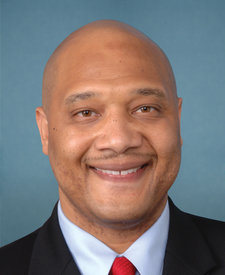
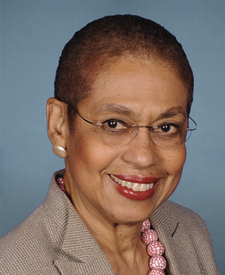
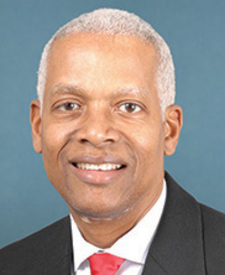
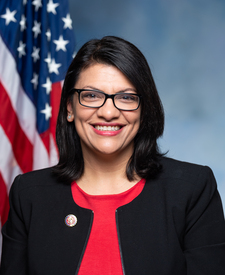
In CommitteeMr. Min (for himself, Ms. Norton, Ms. Ansari, Mr. Garcia …
Referred to the Committee on Oversight and Government Reform, and …
Introduced in House
Stakeholder Effects
cui bono?How this legislation distributes effects. Mention counts reflect frequency, not effect magnitude.
Executive agencies and ethics officials updating rules and enforcing the new award prohibition, Executive agencies that must publish financial disclosure reports for covered special Government employees, Special Government employees barred from seeking or receiving covered federal awards from their employing agencies
Bill Structure & Actor Mappings
Who is "The Secretary" in each section?
- "FAR"
- → Federal Acquisition Regulation
- "OGE"
- → Office of Government Ethics
Key Definitions
Terms defined in this bill
We use a combination of our own taxonomy and classification in addition to large language models to assess meaning and potential beneficiaries. High confidence means strong textual evidence. Always verify with the original bill text.
Learn more about our methodology