To terminate membership by the United States in the United Nations, and for other purposes.
Analysis under review: This bill has generated analysis that may be too generic or incomplete. Clause-level evidence remains available below.
Summary
What This Bill Does
This bill, To terminate membership by the United States in the United Nations, and for other purposes., changes federal law or congressional policy affecting foreign governments, international partners, and aid recipients. The main policy domain is Foreign Policy, Healthcare, Labor.
Who Benefits and How
foreign governments, international partners, and aid recipients may benefit from new authority, funding, eligibility, regulatory clarity, or reduced risk created by the bill.
Who Bears the Burden and How
federal implementing agencies, foreign governments, international partners, and aid recipients may take on implementation duties, reporting obligations, compliance costs, or oversight responsibilities.
Key Provisions
- Section H8245DEDF6405440CA77188DD4F32FD5E: 1. Short title This Act may be cited as the Disengaging Entirely From the United Nations Debacle Act of 2023 or the DEFUND Act of 2023.
- Section H193D01CA718D44B6A9BCBBEBE6B3E247: 2. Repeal of United Nations Participation Act of 1945 The United Nations Participation Act of 1945 (Public Law 79–264; 22 U.S.C. 287 et seq.) is repealed. The...
- Section H1316492571C84EA5BC7527E763CAB7E2: 3. Repeal of United Nations Headquarters Agreement Act The Joint Resolution of August 4, 1947 (61 Stat. 756, chapter 482; 22 U.S.C. 287 note) (commonly known...
- Section H92454944AEA3474683F3BC8E439E9DF6: 4. United States assessed and voluntary contributions to the United Nations No funds are authorized to be appropriated or otherwise made available for assessed...
- Section H6058B1D36E934FB192CA2FDF7304EC33: 5. United Nations peacekeeping operations The United States may not participate in any peacekeeping operation of the United Nations.
Evidence Chain:
This summary is generated from the full bill text using AI analysis. Expand "Detailed Analysis" below for identified beneficiaries/burden bearers with clause-level evidence links.
At a Glance
What This Bill Does
This bill, To terminate membership by the United States in the United Nations, and for other purposes., changes federal law or congressional policy affecting foreign governments, international partners, and aid recipients.
Key Policy Areas
Foreign Policy, Healthcare, Labor
Primary Purpose
This bill, To terminate membership by the United States in the United Nations, and for other purposes., changes federal law or congressional policy affecting foreign governments, international partners, and aid recipients.
Policy Domains
Whole bill
Identified Gains
- foreign governments, international partners, and aid recipients
Identified Costs
- federal implementing agencies
- foreign governments, international partners, and aid recipients
Sponsors
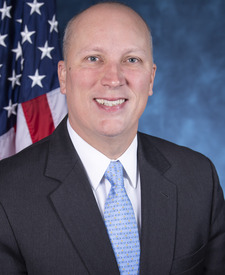
Chip Roy
R-TX | Primary Sponsor
Legislative Progress
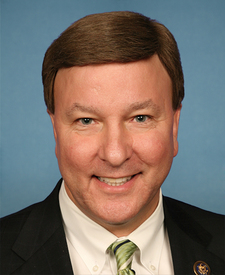
IntroducedMr. Roy (for himself and Mr. Rogers of Alabama) introduced …
Impact analysis is available but no clear stakeholder effects identified. View clause-level analysis →
Bill Structure & Actor Mappings
Who is "The Secretary" in each section?
- "the_secretary"
- → The Secretary identified in the operative section
- "the_commission"
- → The commission identified in the operative section
We use a combination of our own taxonomy and classification in addition to large language models to assess meaning and potential beneficiaries. High confidence means strong textual evidence. Always verify with the original bill text.
Learn more about our methodology