To oppose the permitting of deep seabed mining and exploration for deep seabed mining, and for other purposes.
Summary
What This Bill Does
This resolution-style bill states congressional findings that deep seabed mining poses major risks to ocean ecosystems, including species loss, sediment plumes, noise pollution, contamination of commercial fish species, and effects on carbon storage. It then declares that no mining in the international seabed area should occur until the International Seabed Authority adopts a full, binding, scientifically grounded regulatory framework that protects the marine environment under the United Nations Convention on the Law of the Sea. Until the President certifies that such regulations exist and submits a report to Congress, the President must direct United States representatives in relevant international organizations to call for a moratorium on permitting deep seabed mining and exploration and to oppose investments, financing, or other support for those activities.
Who Benefits and How
Marine ecosystems benefit because the bill pushes the United States toward a moratorium until science and regulation are stronger. Fisheries, coastal communities, and indigenous peoples that rely on ocean ecosystems benefit from a precautionary stance against mining that could damage food fish, habitat, and carbon-storage functions. Environmental organizations benefit from a formal United States position opposing permits and financing. Congress benefits from a certification and report before the United States shifts away from the moratorium position.
Who Bears the Burden and How
The President and United States representatives to international organizations must use diplomatic voice, vote, and influence against seabed-mining permits and financing until certification and reporting conditions are met. Mining companies and project financiers face reduced United States diplomatic support and potential opposition in international organizations. The International Seabed Authority faces pressure to produce binding regulations based on scientific consensus. Federal agencies must prepare the required certification and report before any policy change.
Key Provisions
- Directs United States representatives to call for a moratorium on deep seabed mining and exploration permits.
- Requires United States representatives to oppose investments, financing, or other support for deep seabed mining.
- Requires presidential certification that International Seabed Authority regulations are scientifically informed and protective before the moratorium position can end.
- Requires a report to Congress detailing the regulations, scientific consensus, and environmental protection methods.
- Protects ocean ecosystems, fisheries, indigenous peoples, and coastal communities by applying a precautionary standard.
Evidence Chain:
This summary is generated from the full bill text using AI analysis. Expand "Detailed Analysis" below for identified beneficiaries/burden bearers with clause-level evidence links.
At a Glance
What This Bill Does
Directs the President to use the United States voice, vote, and influence in relevant international organizations to call for a moratorium on deep seabed mining and exploration and oppose financing or support until International Seabed Authority rules are scientifically grounded and protective of the marine environment.
Key Policy Areas
Ocean Conservation, International Organizations, Mining, Foreign Policy
Primary Purpose
Directs the President to use the United States voice, vote, and influence in relevant international organizations to call for a moratorium on deep seabed mining and exploration and oppose financing or support until International Seabed Authority rules are scientifically grounded and protective of the marine environment.
Policy Domains
Substantive provisions
Identified Gains
- Marine ecosystems
- Fisheries
- Coastal communities
- Indigenous peoples
- Environmental organizations
- Congress
Identified Costs
- President
- United States representatives
- Deep seabed mining companies
- Project financiers
- International Seabed Authority
- Federal agencies
Sponsors
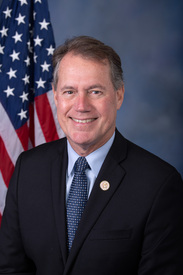
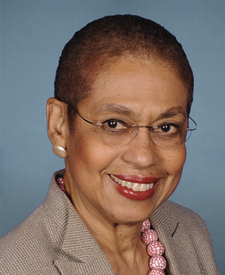
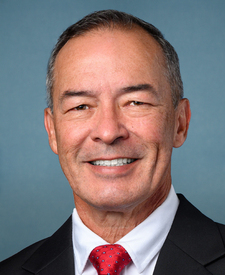
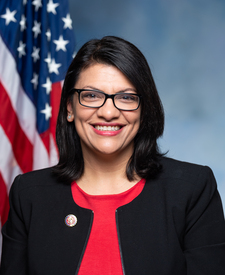

Legislative Progress
In CommitteeSponsor introductory remarks on measure. (CR E86-87)
Mr. Case (for himself, Ms. Bonamici, Ms. Norton, and Ms. …
Referred to the House Committee on Foreign Affairs.
Introduced in House
Stakeholder Effects
cui bono?How this legislation distributes effects. Mention counts reflect frequency, not effect magnitude.
Bill Structure & Actor Mappings
Who is "The Secretary" in each section?
- "ISA"
- → International Seabed Authority
- "UNCLOS"
- → United Nations Convention on the Law of the Sea
Key Definitions
Terms defined in this bill
We use a combination of our own taxonomy and classification in addition to large language models to assess meaning and potential beneficiaries. High confidence means strong textual evidence. Always verify with the original bill text.
Learn more about our methodology