Sunshine for Regulatory Decrees and Settlements Act of 2025
Summary
What This Bill Does
The Sunshine for Regulatory Decrees and Settlements Act of 2025 changes how federal agencies settle lawsuits that seek to compel agency action or challenge delay in regulatory action affecting third parties. It defines covered civil actions, covered consent decrees, and covered settlement agreements to include cases and settlements that require agency action affecting private persons or state, local, or tribal governments.
For covered cases, the agency must publish the notice of intent to sue and complaint online within 15 days after receiving service. Parties cannot move to enter a covered consent decree or dismiss a case under a covered settlement until intervention and public process requirements have run. Courts must presume that affected private parties are not adequately represented by the existing parties, and must consider state, local, or tribal government interests when those governments administer related programs or would be preempted.
Agencies must publish proposed covered decrees or settlements in the Federal Register and online at least 60 days before filing them with the court, describe the statutory basis, terms, and any attorney-fee or cost award, accept public comments, respond to comments, submit the comment summary and administrative-record index to the court, and make the record available. Settlements with terms that bind agency discretion, require unappropriated spending, commit the agency to seek appropriations, or provide remedies beyond the court's power require a personal certification by the Attorney General or agency head. Courts must ensure rulemaking time and procedures are preserved, and agencies must report covered actions, settlements, statutory bases, and fee awards to Congress annually.
Who Benefits and How
State governments affected by regulatory settlements benefit because courts must consider their intervention interests and agencies must expose proposed settlements before filing. Local governments benefit from the same opportunity when settlements affect local regulatory authority. Tribal governments benefit when federal settlements would affect jointly administered or preempted authority. Private regulated parties benefit because they can intervene, comment, and submit amicus arguments before agencies commit to regulatory deadlines or terms. Congressional oversight committees benefit from annual reports on covered cases, settlement content, statutory bases, and attorney-fee awards.
Who Bears the Burden and How
Federal agencies defending covered civil actions must publish litigation materials, conduct comment periods, respond to comments, create administrative records, and report annually. The Attorney General must personally certify certain consent decrees unless an independent agency head signs. Agency heads must personally certify covered settlements litigated independently. Public-interest plaintiffs may face slower settlements and more intervention from regulated parties. Federal courts must consider intervention presumptions, amicus participation, administrative records, and rulemaking-procedure safeguards before approving decrees or settlements.
Key Provisions
- Defines covered civil actions, consent decrees, and settlement agreements tied to regulatory action affecting third parties.
- Requires agencies to publish notices of intent to sue and complaints online within 15 days.
- Creates intervention presumptions for affected private parties and directs courts to consider state, local, and tribal government interests.
- Requires 60-day Federal Register and online publication of proposed covered decrees or settlements.
- Requires public comments, agency responses, administrative-record indexes, and court access to the record.
- Requires Attorney General or agency-head certification for terms that bind agency discretion or require unappropriated spending.
- Requires courts to preserve rulemaking procedures before approving covered decrees or settlements.
- Requires annual agency reports to Congress on covered cases, settlement terms, statutory bases, and attorney-fee awards.
Evidence Chain:
This summary is generated from the full bill text using AI analysis. Expand "Detailed Analysis" below for identified beneficiaries/burden bearers with clause-level evidence links.
At a Glance
What This Bill Does
Imposes transparency, intervention, public-comment, certification, court-review, and annual congressional reporting requirements before federal agencies can enter covered consent decrees or settlement agreements that compel or shape regulatory action affecting private parties or state, local, or tribal governments.
Key Policy Areas
Administrative Law, Regulatory Procedure, Federal Litigation, Federal Oversight
Primary Purpose
Imposes transparency, intervention, public-comment, certification, court-review, and annual congressional reporting requirements before federal agencies can enter covered consent decrees or settlement agreements that compel or shape regulatory action affecting private parties or state, local, or tribal governments.
Policy Domains
House resolution provisions
Identified Gains
- State governments affected by regulatory settlements
- Local governments affected by regulatory settlements
- Tribal governments affected by regulatory settlements
- Private regulated parties
- Congressional oversight committees
Identified Costs
- Federal agencies defending covered civil actions
- Attorney General
- Agency heads
- Public-interest plaintiffs
- Federal courts
Sponsors
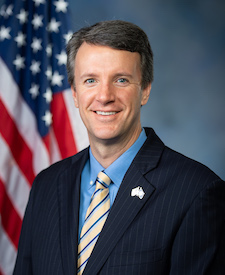
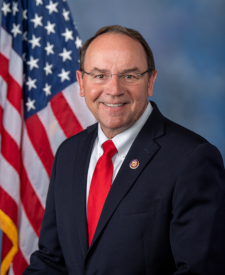
Legislative Progress
ReportedOrdered to be Reported (Amended) by the Yeas and Nays: …
Committee Consideration and Mark-up Session Held
Mr. Cline (for himself and Mr. Tiffany) introduced the following …
Referred to the House Committee on the Judiciary.
Introduced in House
Stakeholder Effects
cui bono?How this legislation distributes effects. Mention counts reflect frequency, not effect magnitude.
Agency heads signing certifications, Federal agencies defending covered civil actions
Local governments affected by regulatory settlements, State governments affected by regulatory settlements
Private regulated parties affected by settlements
Tribal governments affected by regulatory settlements
Bill Structure & Actor Mappings
Who is "The Secretary" in each section?
- "ag"
- → Attorney General
- "courts"
- → Federal courts
- "agencies"
- → Federal agencies
We use a combination of our own taxonomy and classification in addition to large language models to assess meaning and potential beneficiaries. High confidence means strong textual evidence. Always verify with the original bill text.
Learn more about our methodology