PROSPER in the Pacific Act
Summary
What This Bill Does
The PROSPER in the Pacific Act builds a trade preference and capacity-building framework for Pacific Islands countries. The President may authorize preferential treatment for articles imported directly from a Pacific Islands country when eligibility standards are met, including AGOA-style market, rule-of-law, worker-rights, anti-corruption, and foreign-policy criteria. Eligible articles can receive treatment comparable to least-developed beneficiary developing countries under the Trade Act. The bill directs the President to develop a plan for possible free trade agreements with interested Pacific Islands countries, establish a trade facilitation and capacity-building program within 180 days, consult Pacific governments, and help exporters manage trade documentation and regulations. It requires annual reports to Congress through 2036 and ends duty-free treatment after December 31, 2036.
Who Benefits and How
Eligible Pacific Islands countries benefit from preferential access to the United States market and technical support for exporters. Pacific Island exporters benefit from lower tariff barriers and assistance with documentation, logistics, and trade regulations. Indigenous groups, civil society organizations, and trade associations in eligible countries can be included in outreach. United States importers benefit from a broader supply base of eligible goods. Pacific economic-development agencies benefit from free-trade-agreement planning and capacity-building consultation.
Who Bears the Burden and How
The President, United States Trade Representative, customs officials, and trade agencies must determine eligibility, designate eligible articles, monitor worker-rights and anti-corruption criteria, consult Pacific governments, run capacity-building activities, and submit annual reports. Federal tariff revenue may decline when duty-free treatment is granted. Pacific Islands governments must maintain eligibility standards and cooperate on trade documentation and rule-of-origin compliance. Importers must document direct importation and eligibility for preferential treatment.
Key Provisions
- Authorizes the President to grant preferential treatment to articles imported directly from eligible Pacific Islands countries.
- Requires country eligibility findings tied to AGOA, Trade Act, worker-rights, anti-corruption, and foreign-policy standards.
- Provides eligible articles treatment comparable to least-developed beneficiary developing countries under section 503 of the Trade Act.
- Requires a plan for free trade agreements with interested Pacific Islands countries.
- Establishes a trade facilitation and capacity-building program within 180 days.
- Requires annual trade and investment reports through 2036 and sunsets duty-free treatment after December 31, 2036.
Evidence Chain:
This summary is generated from the full bill text using AI analysis. Expand "Detailed Analysis" below for identified beneficiaries/burden bearers with clause-level evidence links.
At a Glance
What This Bill Does
Creates a Pacific Islands trade preference program with AGOA-style eligibility standards, duty-free treatment for eligible articles, free-trade-agreement planning, capacity-building support, annual reporting through 2036, and a sunset for duty-free treatment.
Key Policy Areas
Trade, Pacific Islands, Economic Development, Customs
Primary Purpose
Creates a Pacific Islands trade preference program with AGOA-style eligibility standards, duty-free treatment for eligible articles, free-trade-agreement planning, capacity-building support, annual reporting through 2036, and a sunset for duty-free treatment.
Policy Domains
Substantive provisions
Identified Gains
- Pacific Islands exporters
- Pacific Islands governments
- United States importers
- Indigenous groups
- Trade associations
- Pacific economic development agencies
Identified Costs
- President
- United States Trade Representative staff
- Customs officials
- Pacific Islands governments
- Importers
- Federal taxpayers
Sponsors

Legislative Progress
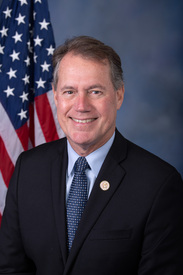
In CommitteeMr. Case introduced the following bill; which was referred to …
Referred to the House Committee on Ways and Means.
Introduced in House
Stakeholder Effects
cui bono?How this legislation distributes effects. Mention counts reflect frequency, not effect magnitude.
Eligible Pacific Islands exporters receiving preferential tariff treatment for designated articles, Pacific Islands countries and exporters that satisfy the eligibility standards for preferential treatment, Pacific Islands countries that fail the labor, human-rights, or environmental eligibility standards and remain excluded
Positive-direction: Eligible Pacific Islands exporters receiving preferential tariff treatment for designated articles, Pacific Islands countries and exporters that satisfy the eligibility standards for preferential treatment, Pacific Islands governments and exporters receiving trade-facilitation and capacity-building support, United States importers of eligible Pacific Islands articles benefiting from lower tariff costs
Negative-direction: Pacific Islands countries that fail the labor, human-rights, or environmental eligibility standards and remain excluded
Executive branch officials required to prepare the Pacific free-trade-agreement plan and congressional report, Executive branch officials responsible for establishing and administering the trade-facilitation program, Executive branch officials responsible for the annual Pacific trade-policy report
Bill Structure & Actor Mappings
Who is "The Secretary" in each section?
- "USTR"
- → United States Trade Representative
- "Pacific Islands countries"
- → Eligible beneficiary countries
Key Definitions
Terms defined in this bill
We use a combination of our own taxonomy and classification in addition to large language models to assess meaning and potential beneficiaries. High confidence means strong textual evidence. Always verify with the original bill text.
Learn more about our methodology