Pharmacists Fight Back [in Federal Employee Health Benefit Plans Act]
Summary
What This Bill Does
The Pharmacists Fight Back in Federal Employee Health Benefit Plans Act bars OPM from contracting for or approving a Federal Employees Health Benefits plan unless the plan requires its PBM to reimburse in-network pharmacies at national average drug acquisition cost or wholesale acquisition cost plus the lesser of 4 percent or $50, pay the state Medicaid professional dispensing fee, pass manufacturer rebates through at point of sale to reduce enrollee coinsurance or copayments based on net cost, remit remaining rebates to the carrier, avoid steering enrollees to specific or affiliate pharmacies, avoid affiliate promotion, avoid network or credentialing practices that exclude in-network pharmacies, avoid pressuring manufacturers to restrict distribution, avoid fees or claim adjustments that reduce pharmacy reimbursement, and cooperate with OPM inspections. New section 8902b lets OPM impose $10,000 civil penalties per PBM violation, penalties on carriers after repeated PBM penalties, compliance plans after five PBM penalties within ten years, inspections, payment recovery actions by the Attorney General, hearings, debarment for repeated violations, and information sharing with other government entities.
Who Benefits and How
In-network pharmacies benefit from stronger reimbursement floors, professional dispensing fee payments, protection against steering, and limits on retroactive fees or claim adjustments. FEHB enrollees benefit when rebates reduce cost sharing at the pharmacy counter and when PBMs cannot force them into affiliate pharmacies. OPM and federal oversight officials benefit from explicit inspection, penalty, hearing, recovery, and debarment tools.
Who Bears the Burden and How
PBMs, PBM affiliates, FEHB carriers, and OPM bear compliance burdens. PBMs must change payment formulas, pass through rebates, stop steering, avoid network restrictions, and avoid claim reductions. Carriers must cooperate with inspections, submit compliance plans after repeated PBM violations, and face penalties if PBM violations recur. OPM must investigate, inspect, impose penalties, conduct hearings, manage debarment, and coordinate with the Attorney General to recover penalties.
Key Provisions
- Requires FEHB PBMs to reimburse in-network pharmacies at NADAC or wholesale acquisition cost plus the lesser of 4 percent or $50.
- Requires state Medicaid professional dispensing fees and point-of-sale rebate pass-through for FEHB prescription drugs.
- Prohibits PBM steering, affiliate promotion, exclusionary network practices, manufacturer distribution pressure, and fees or claim adjustments that reduce pharmacy reimbursement.
- Creates $10,000 OPM civil penalties for PBM violations plus carrier penalties after repeated PBM violations.
- Requires carrier compliance plans, OPM inspections, hearings, Attorney General recovery actions, and potential PBM debarment.
Evidence Chain:
This summary is generated from the full bill text using AI analysis. Expand "Detailed Analysis" below for identified beneficiaries/burden bearers with clause-level evidence links.
At a Glance
What This Bill Does
Applies PBM payment, rebate pass-through, anti-steering, inspection, penalty, and debarment rules to Federal Employees Health Benefits prescription drug plans.
Key Policy Areas
Healthcare, Federal Workforce, Pharmaceuticals, Government Operations
Primary Purpose
Applies PBM payment, rebate pass-through, anti-steering, inspection, penalty, and debarment rules to Federal Employees Health Benefits prescription drug plans.
Policy Domains
Substantive provisions
Identified Gains
- In-network pharmacies
- FEHB enrollees
- Office of Personnel Management
Identified Costs
- Pharmacy benefit managers
- FEHB carriers
- Office of Personnel Management
Sponsors

Legislative Progress
ReportedCommittee Consideration and Mark-up Session Held
Ordered to be Reported (Amended) by the Yeas and Nays: …
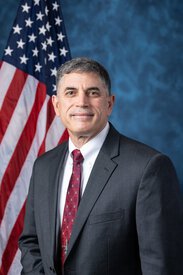
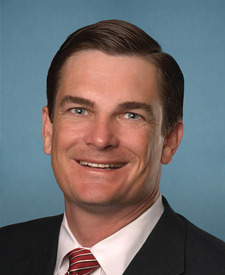
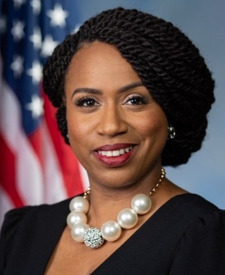
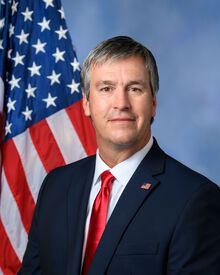
Mr. Auchincloss (for himself, Mr. Comer, Mrs. Harshbarger, Mr. Carter …
Referred to the House Committee on Oversight and Government Reform.
Introduced in House
Stakeholder Effects
cui bono?How this legislation distributes effects. Mention counts reflect frequency, not effect magnitude.
FEHB carriers, In-network pharmacies
Positive-direction: In-network pharmacies
Negative-direction: FEHB carriers
Bill Structure & Actor Mappings
Who is "The Secretary" in each section?
- "OPM"
- → Office of Personnel Management
- "PBM"
- → Pharmacy benefit manager
- "FEHB"
- → Federal Employees Health Benefits program
We use a combination of our own taxonomy and classification in addition to large language models to assess meaning and potential beneficiaries. High confidence means strong textual evidence. Always verify with the original bill text.
Learn more about our methodology