SHIELD Act of 2025
Summary
What This Bill Does
The SHIELD Act of 2025 uses federal funding as a penalty against jurisdictions that interfere with federal immigration enforcement. Beginning in fiscal year 2026, a state or political subdivision is ineligible for federal financial assistance for any fiscal year in which the Attorney General, in consultation with the Secretary of Homeland Security, determines that it arrested, detained, prosecuted, obstructed, or otherwise interfered with a federal law enforcement officer acting lawfully to enforce federal immigration law. Withheld money is reallocated to eligible states or political subdivisions. Funding can be restored only if the Attorney General certifies to the relevant federal agency head that the jurisdiction has stopped the conduct and provided written assurances that interference will not recur. The bill defines covered federal law enforcement officers and federal funds broadly.
Who Benefits and How
Federal immigration-enforcement officers benefit from protection against state or local arrest, prosecution, detention, or obstruction while performing lawful duties. Federal agencies benefit from a statutory funding lever to deter local interference. States and localities that do not interfere may benefit if withheld federal assistance is reallocated to them.
Who Bears the Burden and How
States, territories, the District of Columbia, Puerto Rico, local governments, and political subdivisions bear the risk of losing grants, contracts, cooperative agreements, and other federal assistance if they interfere with covered immigration officers. The Department of Justice and Department of Homeland Security must investigate or determine offending conduct. Jurisdictions seeking restored funds must cease the conduct and provide written assurances, and federal agency heads must rely on Attorney General certification before money is restored.
Key Provisions
- Prohibits federal financial assistance to states or political subdivisions that arrest, detain, prosecute, obstruct, or interfere with federal immigration-enforcement officers.
- Requires the Attorney General, in consultation with DHS, to determine whether a jurisdiction engaged in covered conduct.
- Requires ineligibility for fiscal year 2026 and later fiscal years when covered conduct occurs during that fiscal year.
- Requires withheld funds to be reallocated to eligible states or political subdivisions.
- Requires Attorney General certification and written assurances before federal funding is restored.
Evidence Chain:
This summary is generated from the full bill text using AI analysis. Expand "Detailed Analysis" below for identified beneficiaries/burden bearers with clause-level evidence links.
At a Glance
What This Bill Does
Cuts off federal financial assistance to states or local governments that arrest, detain, prosecute, obstruct, or interfere with federal officers performing lawful immigration-enforcement duties.
Key Policy Areas
Immigration, Law Enforcement, Federalism, Government Operations
Primary Purpose
Cuts off federal financial assistance to states or local governments that arrest, detain, prosecute, obstruct, or interfere with federal officers performing lawful immigration-enforcement duties.
Policy Domains
Substantive provisions
Identified Gains
- Federal immigration officers
- Department of Homeland Security
- Eligible jurisdictions
Identified Costs
- State governments
- Local governments
- Department of Justice
Sponsors


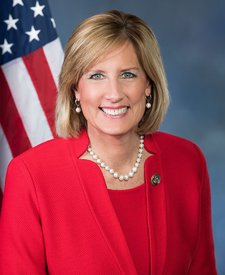
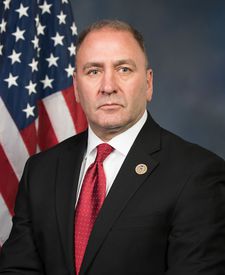
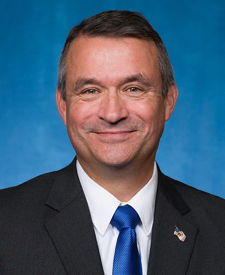
Legislative Progress
In CommitteeMr. Arrington (for himself, Mr. Self, Mr. Higgins of Louisiana, …
Referred to the Committee on the Judiciary, and in addition …
Introduced in House
Stakeholder Effects
cui bono?How this legislation distributes effects. Mention counts reflect frequency, not effect magnitude.
Compliant jurisdictions, Local governments, Sanctuary jurisdictions
Positive-direction: Compliant jurisdictions
Negative-direction: Local governments, Sanctuary jurisdictions, State governments, State grant administrators
DHS compliance staff, Department of Homeland Security, Department of Justice
Bill Structure & Actor Mappings
Who is "The Secretary" in each section?
- "Secretary"
- → Secretary of Homeland Security
- "Attorney General"
- → Official who determines covered conduct and certifies restoration
We use a combination of our own taxonomy and classification in addition to large language models to assess meaning and potential beneficiaries. High confidence means strong textual evidence. Always verify with the original bill text.
Learn more about our methodology