To amend the Workforce Innovation and Opportunity Act to codify a competitive grant program to build community colleges’ capacity to provide employment and training programs for in-demand industries or occupations.
Analysis under review: This bill has generated analysis that may be too generic or incomplete. Clause-level evidence remains available below.
Summary
What This Bill Does
This bill, To amend the Workforce Innovation and Opportunity Act to codify a competitive grant program to build community colleges’ capacity to provide employment and training programs for in-demand industries or occupations., changes federal law or congressional policy affecting workers, employers, and labor regulators. The main policy domain is Labor, Education, Finance.
Who Benefits and How
workers, employers, and labor regulators may benefit from new authority, funding, eligibility, regulatory clarity, or reduced risk created by the bill.
Who Bears the Burden and How
federal implementing agencies, workers, employers, and labor regulators may take on implementation duties, reporting obligations, compliance costs, or oversight responsibilities.
Key Provisions
- Section H018AF817ADB046AE9F164056E42D6890: 1. Short title This Act may be cited as the Training, Retention, And Investment Now for a Better America Act or the TRAIN Act.
- Section HFE98445AC48944CBBC056CDC0228B050: 2. Strengthening community colleges training grants program Subtitle D of title I of the Workforce Innovation and Opportunity Act (29 U.S.C. 3221 et seq.) is...
- Section H05952CFDEEA343E38C65A4169D3DC0E8: 172. Strengthening community colleges training grants program The purposes of this section are— to establish, improve, or expand high-quality educational or...
- Section H9A3626BBF0664A97B2F77A4F71900B5C: 3. Conforming amendments to the table of contents The table of contents of the Workforce Innovation and Opportunity Act in section 1(b) is amended— by striking...
Evidence Chain:
This summary is generated from the full bill text using AI analysis. Expand "Detailed Analysis" below for identified beneficiaries/burden bearers with clause-level evidence links.
At a Glance
What This Bill Does
This bill, To amend the Workforce Innovation and Opportunity Act to codify a competitive grant program to build community colleges’ capacity to provide employment and training programs for in-demand industries or occupations., changes federal law or congressional policy affecting workers, employers, and labor regulators.
Key Policy Areas
Labor, Education, Finance
Primary Purpose
This bill, To amend the Workforce Innovation and Opportunity Act to codify a competitive grant program to build community colleges’ capacity to provide employment and training programs for in-demand industries or occupations., changes federal law or congressional policy affecting workers, employers, and labor regulators.
Policy Domains
Whole bill
Identified Gains
- workers, employers, and labor regulators
Identified Costs
- federal implementing agencies
- workers, employers, and labor regulators
Sponsors


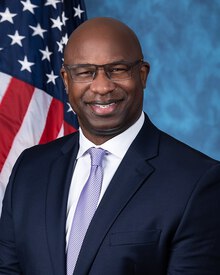
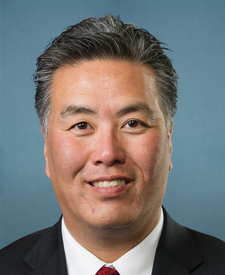

Legislative Progress
IntroducedMrs. McBath (for herself, Mrs. Hayes, Mr. Bowman, Mr. Takano, …
Impact analysis is available but no clear stakeholder effects identified. View clause-level analysis →
Bill Structure & Actor Mappings
Who is "The Secretary" in each section?
- "the_secretary"
- → The Secretary identified in the operative section
We use a combination of our own taxonomy and classification in addition to large language models to assess meaning and potential beneficiaries. High confidence means strong textual evidence. Always verify with the original bill text.
Learn more about our methodology