Leasing and Infrastructure Act of 2025
Summary
What This Bill Does
The Leasing and Infrastructure Act of 2025 expands Department of Veterans Affairs authority to enter major medical facility leases. It amends title 38 to give the Secretary of Veterans Affairs independent authority to enter leases for major medical facilities, creates a Veterans Leasing Fund for amounts appropriated for those leases, and changes cost-estimation requirements for major medical facility leases. It also requires VA, in consultation with the Comptroller General, to develop a streamlined procurement model and report on how to reduce delay and improve documentation for lease acquisition. The practical focus is VA clinical space: leases for outpatient clinics or other medical facilities can move through a more specialized process rather than depending on slower general real-estate procurement approaches.
Who Benefits and How
Veterans benefit if VA can lease clinics and other medical space more quickly in underserved or high-demand areas. VA medical centers and regional planners benefit from a dedicated leasing authority and fund that may make facility planning more predictable. Landlords, developers, construction firms, and real-estate service providers may benefit from more VA lease activity for outpatient and medical facilities.
Who Bears the Burden and How
VA procurement officials bear the burden of administering the leasing authority, tracking funds, estimating lease costs, documenting procurement steps, and consulting with the Government Accountability Office on a streamlined model. The Comptroller General bears review and consultation duties. Federal taxpayers bear lease costs, and VA must still justify that lease obligations are properly estimated and overseen before long-term facility commitments are made.
Key Provisions
- Authorizes the VA Secretary to enter into leases for major medical facilities under independent title 38 authority.
- Creates a Veterans Leasing Fund to hold appropriated amounts for major medical facility lease obligations.
- Requires updated cost-estimation information for major medical facility leases.
- Directs VA and the Comptroller General to develop and report on a streamlined procurement model for medical facility leases.
Evidence Chain:
This summary is generated from the full bill text using AI analysis. Expand "Detailed Analysis" below for identified beneficiaries/burden bearers with clause-level evidence links.
At a Glance
What This Bill Does
Gives VA independent authority to lease major medical facilities, creates a Veterans Leasing Fund, adds lease cost-estimation rules, and requires a streamlined lease procurement model.
Key Policy Areas
Veterans, Real Estate, Healthcare, Government Operations
Primary Purpose
Gives VA independent authority to lease major medical facilities, creates a Veterans Leasing Fund, adds lease cost-estimation rules, and requires a streamlined lease procurement model.
Policy Domains
Substantive provisions
Identified Gains
- Veterans
- VA medical centers
- Real estate developers
Identified Costs
- Department of Veterans Affairs
- Comptroller General
- Federal taxpayers
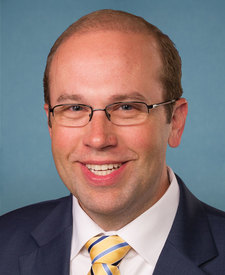
Sponsors
Legislative Progress
In CommitteeCommittee Hearings Held
Committee Hearings Held
Mr. Smith of Missouri introduced the following bill; which was …
Referred to the House Committee on Veterans' Affairs.
Introduced in House
Stakeholder Effects
cui bono?How this legislation distributes effects. Mention counts reflect frequency, not effect magnitude.
Comptroller General, Congress, Department of Veterans Affairs
Positive-direction: Congress
Negative-direction: Comptroller General, Department of Veterans Affairs
Taxpayers
Taxpayers faces effects in multiple directions
Bill Structure & Actor Mappings
Who is "The Secretary" in each section?
- "Secretary"
- → Secretary of Veterans Affairs
- "Comptroller General"
- → Head of the Government Accountability Office
We use a combination of our own taxonomy and classification in addition to large language models to assess meaning and potential beneficiaries. High confidence means strong textual evidence. Always verify with the original bill text.
Learn more about our methodology