LET’S Protect Workers Act
Summary
What This Bill Does
The Labor Enforcement to Securely Protect Workers Act sharply raises penalties across several worker-protection statutes. It increases Fair Labor Standards Act child-labor penalties to at least $1,500 and up to $150,000 per affected employee, and up to $700,000 for child-labor violations causing death or serious injury, with doubled penalties for repeated or willful violations. It raises FLSA wage and hour penalties, adds penalties for recordkeeping violations, increases OSHA penalties up to $800,000 for willful or repeated violations and $80,000 for serious or failure-to-abate violations, raises Migrant and Seasonal Agricultural Worker Protection Act penalties to $30,000, and gives mine regulators stronger tools against unpaid penalties, pattern violations, and retaliation. It also expands ERISA enforcement for genetic information and mental health parity violations in group health plans, creates National Labor Relations Act civil penalties up to $50,000 per unfair labor practice and up to $100,000 for repeated serious violations, allows personal liability for directors or officers in some labor-law cases, and treats certain OSHA and FLSA recordkeeping violations as continuing until corrected or the record-retention period expires.
Who Benefits and How
Workers benefit because stronger penalties make violations more costly and can deter child labor, wage and hour violations, unsafe workplaces, unpaid mine penalties, retaliation, genetic-information discrimination, mental-health parity violations, and unfair labor practices. Child workers, miners, workers in OSHA-covered workplaces, employees with group health coverage, union organizers, and workers facing retaliation receive clearer protection. The Department of Labor, OSHA, MSHA, and the National Labor Relations Board gain stronger penalty authority and collection leverage.
Who Bears the Burden and How
Employers bear higher financial exposure across labor and safety statutes. Companies that violate child labor, wage and hour, OSHA, mine safety, migrant-worker, FMLA, ERISA, or NLRA obligations face larger civil penalties, possible mine withdrawal orders for unpaid penalties, and continuing recordkeeping violations until corrected. Group health plan sponsors, administrators, service providers, and issuers face stronger ERISA enforcement for genetic-information and mental-health parity failures. Directors and officers can face personal penalties if they direct, commit, or knowingly fail to prevent unfair labor practices.
Key Provisions
- Raises FLSA child-labor penalties to $1,500 to $150,000 per affected employee and up to $700,000 for violations causing death or serious injury.
- Increases OSHA, migrant-worker, mine-safety, FMLA, wage and hour, and recordkeeping penalties, including mine withdrawal orders for unpaid final penalties.
- Expands ERISA civil-penalty collection for genetic-information and mental-health parity violations by group health plans and issuers.
- Creates NLRA civil penalties up to $50,000 per unfair labor practice and up to $100,000 for repeated serious violations, with possible director or officer liability.
- Requires Labor Department regulations treating some OSHA and FLSA recordkeeping violations as continuing until corrected or record-retention duties expire.
Evidence Chain:
This summary is generated from the full bill text using AI analysis. Expand "Detailed Analysis" below for identified beneficiaries/burden bearers with clause-level evidence links.
At a Glance
What This Bill Does
Increases civil penalties and enforcement tools across federal labor, workplace safety, mine safety, employee health plan, family leave, and labor organizing laws.
Key Policy Areas
Labor, Healthcare, Mining, Government Operations
Primary Purpose
Increases civil penalties and enforcement tools across federal labor, workplace safety, mine safety, employee health plan, family leave, and labor organizing laws.
Policy Domains
Substantive provisions
Identified Gains
- Workers
- Child workers
- Labor unions
Identified Costs
- Employers
- Group health plan administrators
- Corporate officers
Sponsors
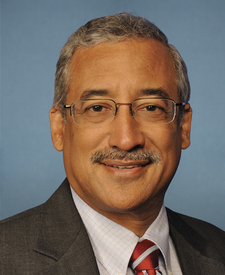
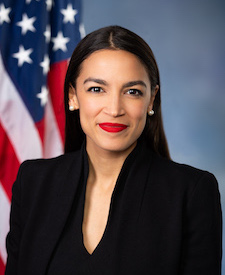
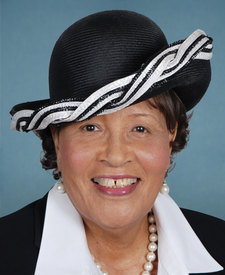
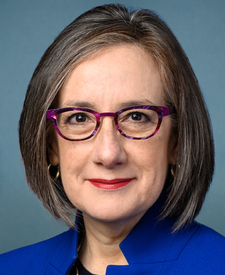
Legislative Progress
In CommitteeMr. Scott of Virginia (for himself, Mr. Norcross, Mrs. Dingell, …
Referred to the Committee on Education and Workforce, and in …
Introduced in House
Stakeholder Effects
cui bono?How this legislation distributes effects. Mention counts reflect frequency, not effect magnitude.
Child workers, Covered employees, Employers
Positive-direction: Child workers, Covered employees, Labor unions, Miners, Retaliated workers, Union organizers, Workers
Negative-direction: Employers, Mine operators
Group health plan sponsors, Health plan administrators
Bill Structure & Actor Mappings
Who is "The Secretary" in each section?
- "Board"
- → National Labor Relations Board
- "Secretary"
- → Secretary of Labor
We use a combination of our own taxonomy and classification in addition to large language models to assess meaning and potential beneficiaries. High confidence means strong textual evidence. Always verify with the original bill text.
Learn more about our methodology