Continuous Skilled Nursing Quality Improvement Act of 2025
Summary
What This Bill Does
The Continuous Skilled Nursing Quality Improvement Act of 2025 changes how Medicaid treats private duty nursing for complex-care patients. It replaces the Social Security Act term private duty nursing services with continuous skilled nursing services after an 18-month transition and directs HHS to revise the Medicaid regulation at 42 C.F.R. 440.80 through notice-and-comment rulemaking. For complex-care patients who need multiple hours of continuous nursing each day, as determined by the state, services must be provided by licensed nurses, including registered nurses or licensed practical nurses. HHS must convene a working group within 180 days with independent and national nursing providers, nursing agencies, provider associations, full-benefit dual eligible individuals, Medicaid beneficiaries, patient advocates, state Medicaid officials, accrediting bodies, and other stakeholders to develop national quality standards. HHS must also tell State Medicaid Directors that private duty nursing providers are not subject to Medicare home health conditions of participation, publish standards within one year after the working group convenes, add continuous skilled nursing to HCBS waiver-service regulations within 18 months, add core and supplemental quality measures to the HCBS Quality Measure Set within one year, and update those measures at least every eight years.
Who Benefits and How
Medicaid beneficiaries with complex-care needs benefit from clearer recognition of continuous skilled nursing and from national quality standards aimed at improving care. Full-benefit dual eligible individuals and families relying on many hours of daily nursing may benefit from more consistent state expectations and quality measurement. Registered nurses and licensed practical nurses benefit because the bill requires licensed nurses for covered complex-care services. Continuous skilled nursing providers may benefit from clearer standards and from the HHS letter confirming they are not subject to Medicare home health conditions of participation.
Who Bears the Burden and How
HHS bears rulemaking, working-group, guidance, publication, and periodic quality-measure update burdens. State Medicaid programs, managed care entities, continuous skilled nursing providers, and accrediting bodies must adapt to national standards, new HCBS quality measures, and licensed-nurse requirements. Providers that rely on unlicensed aides for services now treated as continuous skilled nursing may face higher staffing costs or narrower permissible roles. Medicaid agencies may need to update contracts, waivers, manuals, quality reporting, and oversight systems.
Key Provisions
- Amends Medicaid law to replace private duty nursing services with continuous skilled nursing services after an 18-month transition.
- Requires HHS rulemaking so complex-care Medicaid patients needing multiple hours of continuous nursing receive services from registered nurses or licensed practical nurses.
- Creates a stakeholder working group to develop national continuous skilled nursing quality standards within one year after it convenes.
- Requires HHS to add continuous skilled nursing to HCBS waiver-service regulations and update the HCBS Quality Measure Set with core and supplemental measures.
- Requires HHS to review and update continuous skilled nursing quality measures at least every eight years with public notice and comment.
Evidence Chain:
This summary is generated from the full bill text using AI analysis. Expand "Detailed Analysis" below for identified beneficiaries/burden bearers with clause-level evidence links.
At a Glance
What This Bill Does
Renames Medicaid private duty nursing as continuous skilled nursing, requires licensed-nurse services for complex-care patients, and creates national quality standards and HCBS quality measures.
Key Policy Areas
Healthcare, Medicaid, Government Operations
Primary Purpose
Renames Medicaid private duty nursing as continuous skilled nursing, requires licensed-nurse services for complex-care patients, and creates national quality standards and HCBS quality measures.
Policy Domains
Substantive provisions
Identified Gains
- Medicaid beneficiaries
- Licensed nurses
- Continuous skilled nursing providers
Identified Costs
- Department of Health and Human Services
- State Medicaid programs
- Managed care entities
Sponsors


Legislative Progress
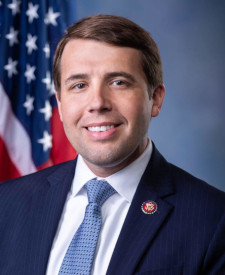
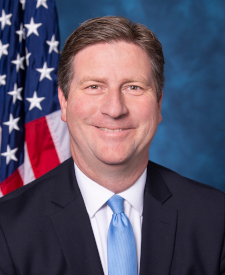
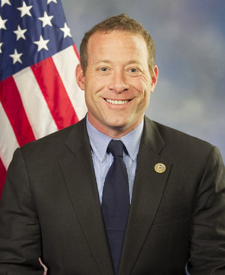
In CommitteeMr. Rulli (for himself, Mr. Stanton, and Mr. Pappas) introduced …
Referred to the House Committee on Energy and Commerce.
Introduced in House
Stakeholder Effects
cui bono?How this legislation distributes effects. Mention counts reflect frequency, not effect magnitude.
Complex-care patients, Continuous skilled nursing providers, Dual eligible beneficiaries
Continuous skilled nursing providers faces effects in multiple directions
Positive-direction: Complex-care patients, Licensed nurses, Medicaid beneficiaries
Negative-direction: Unlicensed care aides
State Medicaid programs
Bill Structure & Actor Mappings
Who is "The Secretary" in each section?
- "Secretary"
- → Secretary of Health and Human Services
Key Definitions
Terms defined in this bill
The renamed Medicaid service category replacing private duty nursing services for complex-care patients needing multiple hours of skilled nursing per day.
We use a combination of our own taxonomy and classification in addition to large language models to assess meaning and potential beneficiaries. High confidence means strong textual evidence. Always verify with the original bill text.
Learn more about our methodology