Computer Science for All Act of 2025
Summary
What This Bill Does
The Computer Science for All Act of 2025 uses the Department of Education to expand computer science instruction from prekindergarten through high school. It defines computer science education broadly to include computational thinking, programming, hardware, algorithms, networks, cybersecurity, artificial intelligence, cloud computing, data, and social impacts of computing. The Secretary of Education would award grants of up to five years to states, local educational agencies, and eligible Tribal schools that can serve as national models. Grant applications must plan for every high school student served to have access to computer science within five years, for pre-K-through-middle-school progression that prepares students for high school computer science, for broader STEAM access, for reducing enrollment and achievement gaps among underrepresented students, for monitoring and evaluation, for sustainability after the grant ends, and for preparation for technologies such as artificial intelligence. Grant funds must support teacher training, learning materials, online options, equity-gap plans, and additional support such as mentoring; they may also support partnerships with industry, nonprofits, community colleges, HBCUs, Hispanic-serving institutions, Tribal colleges, other minority-serving institutions, and out-of-school providers. Grantees must report twice yearly with disaggregated student data, and the Department and Institute of Education Sciences must add computer science access and competency data to federal education reporting.
Who Benefits and How
Students benefit from expanded computer science access, especially students in schools that currently lack foundational courses and students from underrepresented groups, girls, low-income families, rural communities, and Tribal schools. Teachers benefit from paid training and instructional support to teach computer science. State education agencies, school districts, eligible Tribal schools, HBCUs, Hispanic-serving institutions, Tribal colleges, community colleges, education nonprofits, and curriculum or educational technology providers may benefit from grant-funded partnerships, materials, online learning, mentoring, and regional collaborations. Technology employers benefit indirectly from a larger and more diverse workforce pipeline.
Who Bears the Burden and How
Federal taxpayers bear the grant cost. The Department of Education must run competitions, review applications, monitor awards, analyze twice-yearly grantee reports, and submit a five-year recommendation to Congress on program expansion. States, school districts, and Tribal schools that receive grants must build ambitious plans, train teachers, buy or develop materials, track student participation and outcomes by race, ethnicity, gender, and free-or-reduced-price lunch status, evaluate projects, and sustain activities after the grant period. The Institute of Education Sciences and Department reporting offices must collect and publish new computer science education data by school type and jurisdiction.
Key Provisions
- Establishes up to five-year Department of Education grants for states, local educational agencies, and eligible Tribal schools to expand computer science education.
- Requires applicants to provide high school computer science access within five years and pre-K-through-middle-school progression toward high school readiness.
- Funds teacher training, learning materials, online learning, mentoring, STEAM access, equity-gap reduction, sustainability planning, and preparation for technologies such as artificial intelligence.
- Requires grantee reports at least twice per year with student data disaggregated by race, ethnicity, gender, and free-or-reduced-price lunch status.
- Requires federal education data systems to report computer science access, type of instruction, and student competency by state, school district, and eligible Tribal school.
Evidence Chain:
This summary is generated from the full bill text using AI analysis. Expand "Detailed Analysis" below for identified beneficiaries/burden bearers with clause-level evidence links.
At a Glance
What This Bill Does
Creates a federal computer science education grant program for states, local educational agencies, and Tribal schools, with reporting and national data-collection requirements.
Key Policy Areas
Education, Technology, Labor, Government Operations
Primary Purpose
Creates a federal computer science education grant program for states, local educational agencies, and Tribal schools, with reporting and national data-collection requirements.
Policy Domains
Substantive provisions
Identified Gains
- K-12 students
- Computer science teachers
- Tribal schools
Identified Costs
- Department of Education
- Grant recipients
- Federal taxpayers
Sponsors

Legislative Progress
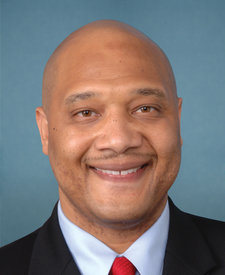
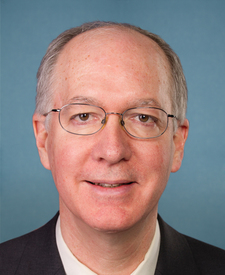
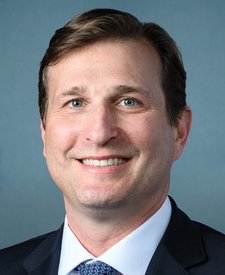
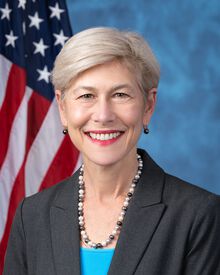
In CommitteeMs. Rivas (for herself, Mr. Amo, Mrs. Beatty, Ms. Budzinski, …
Referred to the House Committee on Education and Workforce.
Introduced in House
Stakeholder Effects
cui bono?How this legislation distributes effects. Mention counts reflect frequency, not effect magnitude.
Computer science teachers, Grant recipients, K-12 students
State education agencies faces effects in multiple directions
Positive-direction: Computer science teachers, K-12 students, School districts
Negative-direction: Grant recipients
Congress, Department of Education, Institute of Education Sciences
Positive-direction: Congress
Negative-direction: Department of Education, Institute of Education Sciences
Bill Structure & Actor Mappings
Who is "The Secretary" in each section?
- "Secretary"
- → Secretary of Education
- "eligible Tribal school"
- → BIE-operated, self-determination, or tribally controlled school covered by the bill
Key Definitions
Terms defined in this bill
A state, local educational agency, or eligible Tribal school able to carry out ambitious computer science education expansion for all students served.
Instruction in computational thinking, software, hardware, algorithms, cybersecurity, networks, artificial intelligence, cloud computing, data, and social impacts of computing.
We use a combination of our own taxonomy and classification in addition to large language models to assess meaning and potential beneficiaries. High confidence means strong textual evidence. Always verify with the original bill text.
Learn more about our methodology