REAL Act
Summary
What This Bill Does
The REAL Act prohibits a federal official from publishing, disseminating, or releasing public content created or manipulated using generative AI unless the content includes a clear, conspicuous, plain-language disclaimer. The disclaimer must state that generative AI created or altered the content, briefly explain how it was generated or altered, and explain the technology or method used. Exceptions cover communications not intended for public release, classified-purpose content if a compliant summary is retained for any unclassified publication, minor graphics or visual edits that do not materially alter meaning, routine text drafts prepared with digital tools when agency staff review the draft before publication, and nonofficial personal social-media or other personal communications. Within 180 days, OMB must issue regulations or policies for federal compliance and set formatting, placement, and wording guidelines across media formats. The bill also requires agencies to apply compliance rules to federal officials releasing covered content.
Who Benefits and How
Members of the public benefit because federal communications using generative AI would disclose that fact and explain the method in plain language. Journalists and watchdog organizations benefit from clearer provenance for AI-generated federal media. Federal agencies benefit from OMB-wide standards instead of fragmented disclaimer practices. Federal officials using AI tools benefit from defined exceptions for internal, classified, minor-edit, reviewed routine text, and personal nonofficial content.
Who Bears the Burden and How
Federal officials must add disclaimers before releasing covered AI-generated or AI-manipulated public content. OMB staff must issue regulations or policies within 180 days and define formatting, placement, and wording requirements. Agency communications offices must train staff, review content workflows, and retain summaries for classified content that may later be described publicly. Federal employees using generative AI must distinguish covered public releases from exempt drafts or personal content.
Key Provisions
- Prohibits public release of AI-generated or AI-manipulated content by federal officials without a disclaimer.
- Requires clear, conspicuous, plain-language statements explaining AI use and the technology or method.
- Exempts internal, classified, minor-edit, reviewed routine-text, and nonofficial personal content.
- Requires OMB regulations or policies within 180 days for formatting, placement, wording, and agency compliance.
- Requires agencies to apply compliance procedures to federal officials who release covered content.
Evidence Chain:
This summary is generated from the full bill text using AI analysis. Expand "Detailed Analysis" below for identified beneficiaries/burden bearers with clause-level evidence links.
At a Glance
What This Bill Does
Requires federal officials to label public content created or materially manipulated with generative AI, directs OMB to issue disclaimer rules within 180 days, and requires agency compliance policies while excluding classified, internal, minor-edit, reviewed routine text, and personal nonofficial content.
Key Policy Areas
Artificial Intelligence, Government Transparency, Federal Communications
Primary Purpose
Requires federal officials to label public content created or materially manipulated with generative AI, directs OMB to issue disclaimer rules within 180 days, and requires agency compliance policies while excluding classified, internal, minor-edit, reviewed routine text, and personal nonofficial content.
Policy Domains
Substantive provisions
Identified Gains
- Members of the public
- Journalists
- Watchdog organizations
- Federal agencies
- Federal officials using AI tools
Identified Costs
- Federal officials
- OMB policy staff
- Agency communications offices
- Federal employees using generative AI
- Agency records staff
Sponsors
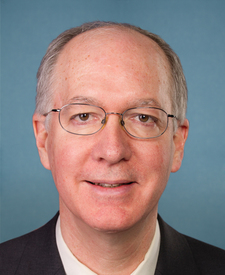
Bill Foster
D-IL | Primary Sponsor
Legislative Progress
In CommitteeMr. Foster (for himself and Mr. Sessions) introduced the following …
Referred to the House Committee on Oversight and Government Reform.
Introduced in House
Stakeholder Effects
cui bono?How this legislation distributes effects. Mention counts reflect frequency, not effect magnitude.
Agency communications offices, Federal officials, OMB policy staff
Bill Structure & Actor Mappings
Who is "The Secretary" in each section?
- "workers"
- → ['Federal officials', 'Agency communications offices']
- "agencies"
- → ['Office of Management and Budget']
We use a combination of our own taxonomy and classification in addition to large language models to assess meaning and potential beneficiaries. High confidence means strong textual evidence. Always verify with the original bill text.
Learn more about our methodology