Historically Underserved Veterans Inclusion Act of 2025
Summary
What This Bill Does
The Historically Underserved Veterans Inclusion Act renames and expands VA structures that currently focus on minority veterans so they also cover historically underserved veterans. It changes the Center for Minority Veterans and Advisory Committee on Minority Veterans to include historically underserved veterans, replaces references to minority veterans with covered veterans, and broadens definitions. The bill adds representatives from HUD, Education, the Attorney General, SBA, and the Office of National Drug Control Policy to the advisory committee. Committee duties expand to advising VA on representation in policy, regulations, and legislative affairs; benefits and services relating to health care, suicide prevention, and homelessness; outreach research; State and local organization issues; guidance for nonprofit and faith-based organizations; help receiving entitled benefits; feedback methods through stakeholder forums, social media, and virtual town halls; outreach and engagement; commemoration; and journey mapping, human-centered design, and social determinants of wellness. VA must conduct biennial reviews to identify disparities in receipt of benefits and report recommendations to veterans committees within 120 days after each review. Section 3 requires VA within 30 days to permanently reinstate the Office of Equity Assurance in the Veterans Benefits Administration, reinstate employees terminated after January 20, 2025, protect positions from reduction in force, brief Congress on implementation of GAO-23-106097 recommendations, and provide biannual briefings on the office data, research, and analysis.
Who Benefits and How
Minority veterans benefit because existing VA structures keep their focus while expanding to additional underserved groups. Historically underserved veterans benefit from advisory duties covering health care, suicide prevention, homelessness, benefits access, outreach, feedback, and disparity reviews. Nonprofit and faith-based organizations serving covered veterans benefit from VA guidance. Veterans Benefits Administration equity researchers benefit from restored Office of Equity Assurance authority and employment protections. Congressional veterans committees benefit from disparity reports and biannual briefings.
Who Bears the Burden and How
VA center staff and advisory committee members must update their scope, membership, outreach, guidance, review, and reporting work. VA benefits administrators must conduct biennial disparity reviews and report within 120 days after review completion. The Veterans Benefits Administration must reinstate the Office of Equity Assurance, reinstate terminated employees, protect positions from reduction in force, and brief Congress. HUD, Education, Justice, SBA, and ONDCP representatives must participate in advisory work. Federal taxpayers bear administrative costs for expanded staffing, analysis, and briefings.
Key Provisions
- Expands the Center for Minority Veterans and Advisory Committee on Minority Veterans to include historically underserved veterans.
- Adds HUD, Education, Justice, SBA, and ONDCP representatives to the advisory committee.
- Requires advisory duties on benefits, health care, suicide prevention, homelessness, outreach, guidance, feedback, commemoration, and life-cycle analysis.
- Requires VA biennial disparity reviews and 120-day reports to veterans committees.
- Requires permanent reinstatement of the Veterans Benefits Administration Office of Equity Assurance within 30 days.
- Requires reinstatement of terminated office employees, protection from reduction in force, GAO-recommendation briefing, and biannual data briefings.
Evidence Chain:
This summary is generated from the full bill text using AI analysis. Expand "Detailed Analysis" below for identified beneficiaries/burden bearers with clause-level evidence links.
At a Glance
What This Bill Does
Expands VA minority-veteran institutions to cover historically underserved veterans, broadens advisory committee membership and duties, requires biennial disparity reviews and reports, and reinstates the Veterans Benefits Administration Office of Equity Assurance with recurring briefings.
Key Policy Areas
Veterans, Health Care, Benefits Administration, Equity
Primary Purpose
Expands VA minority-veteran institutions to cover historically underserved veterans, broadens advisory committee membership and duties, requires biennial disparity reviews and reports, and reinstates the Veterans Benefits Administration Office of Equity Assurance with recurring briefings.
Policy Domains
Substantive provisions
Identified Gains
- Minority veterans
- Historically underserved veterans
- Nonprofit veteran organizations
- Faith-based veteran organizations
- VBA equity researchers
- Congressional veterans committees
Identified Costs
- VA center staff
- VA advisory committee members
- VA benefits administrators
- Veterans Benefits Administration
- HUD representatives
- Education Department representatives
- Justice Department representatives
- SBA representatives
- Federal taxpayers
Sponsors

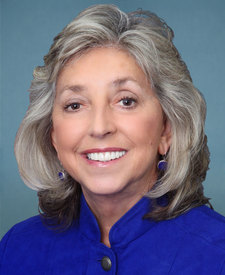
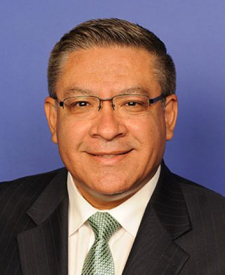
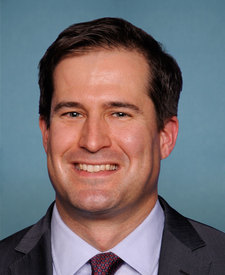
Legislative Progress
In CommitteeReferred to the Subcommittee on Oversight and Investigations.
Mrs. Cherfilus-McCormick introduced the following bill; which was referred to …
Referred to the House Committee on Veterans' Affairs.
Introduced in House
Stakeholder Effects
cui bono?How this legislation distributes effects. Mention counts reflect frequency, not effect magnitude.
Congressional veterans committees, HUD representatives, Office of Equity Assurance employees
Positive-direction: Congressional veterans committees, Office of Equity Assurance employees
Negative-direction: HUD representatives, SBA representatives, VA advisory committee members, VA center staff, Veterans Benefits Administration
Historically underserved veterans, Minority veterans
Faith-based veteran organizations, Nonprofit veteran organizations
Bill Structure & Actor Mappings
Who is "The Secretary" in each section?
- "agencies"
- → ['Department of Veterans Affairs', 'HUD', 'Department of Education', 'Department of Justice', 'SBA']
- "programs"
- → ['Office of Equity Assurance']
We use a combination of our own taxonomy and classification in addition to large language models to assess meaning and potential beneficiaries. High confidence means strong textual evidence. Always verify with the original bill text.
Learn more about our methodology