United States Development Finance Corporation Effectiveness Act
Summary
What This Bill Does
The United States Development Finance Corporation Effectiveness Act amends the BUILD Act annual-report and public-information provisions. DFC annual reports would have to identify the United States strategic, foreign-policy, and development objectives advanced by supported projects and describe portfolio health, including funds committed, funds disbursed, default and recovery rates, capital mobilized, equity investment year-over-year returns, and differences between modeled investment performance and ultimate performance with narrative explanations. The bill rewrites impact-reporting requirements to cover desired development impact and strategic outcomes, whether metrics and goals are being met after project conclusion when practicable, whether strategic-outcome projects achieve objectives during and after support, private-sector assets relative to DFC support and other public support, projected private capital mobilization, actual private capital mobilization with lenders, investors, and instruments, and breakdowns of DFC support to less developed, advancing-income, and high-income countries. It also requires DFC to maintain a user-friendly, public, machine-readable project database with detailed project-level information, performance metrics, and anticipated plus assessed development impact.
Who Benefits and How
Congressional foreign-affairs committees benefit from more detailed reporting on whether DFC projects advance United States strategic and development objectives. Public users benefit from a machine-readable project database. Private investors benefit from better information on DFC instruments, mobilized capital, and portfolio performance. Development researchers benefit from project-level metrics and impact descriptions. Communities in DFC project countries benefit indirectly if stronger transparency improves project selection and accountability.
Who Bears the Burden and How
DFC reporting staff must collect and explain portfolio health, defaults, recoveries, mobilized capital, equity returns, country-income distribution, and modeled-versus-actual results. DFC database staff must maintain a user-friendly machine-readable project database with project-level metrics. Project teams must provide data on performance and development impact. Private lenders and investors may have their roles reflected in public reporting. Federal development-finance managers face more oversight of strategic outcomes and portfolio performance.
Key Provisions
- Requires DFC annual reports to identify strategic, foreign-policy, and development objectives advanced by supported projects.
- Requires portfolio-health reporting on committed funds, disbursed funds, defaults, recoveries, capital mobilized, equity returns, and modeled-versus-actual performance.
- Requires reporting on desired development impact, strategic outcomes, private-sector assets, and public-sector support.
- Requires projected and actual private capital mobilization analysis with lenders, investors, and instruments.
- Requires country-income distribution breakdowns for DFC support.
- Requires a public machine-readable project database with project metrics and development-impact descriptions.
Evidence Chain:
This summary is generated from the full bill text using AI analysis. Expand "Detailed Analysis" below for identified beneficiaries/burden bearers with clause-level evidence links.
At a Glance
What This Bill Does
Expands DFC annual reporting and public project database requirements to show strategic and development objectives, portfolio health, private capital mobilization, country-income distribution, modeled-versus-actual performance, project metrics, and development impact.
Key Policy Areas
Development Finance, Foreign Policy, Transparency
Primary Purpose
Expands DFC annual reporting and public project database requirements to show strategic and development objectives, portfolio health, private capital mobilization, country-income distribution, modeled-versus-actual performance, project metrics, and development impact.
Policy Domains
Substantive provisions
Identified Gains
- Congressional foreign-affairs committees
- Public database users
- Private investors
- Development researchers
- Communities in DFC project countries
Identified Costs
- DFC reporting staff
- DFC database staff
- DFC project teams
- Private lenders
- Federal development-finance managers
Legislative Progress
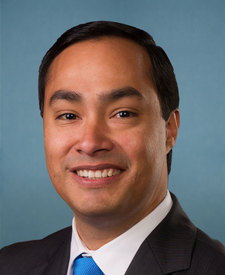
In CommitteeMr. Castro of Texas introduced the following bill; which was …
Referred to the House Committee on Foreign Affairs.
Introduced in House
Stakeholder Effects
cui bono?How this legislation distributes effects. Mention counts reflect frequency, not effect magnitude.
Congressional foreign-affairs committees, DFC database staff, DFC project teams
Positive-direction: Congressional foreign-affairs committees
Negative-direction: DFC database staff, DFC project teams, DFC reporting staff
Bill Structure & Actor Mappings
Who is "The Secretary" in each section?
- "agencies"
- → ['United States Development Finance Corporation']
- "industry"
- → ['Private investors', 'Private lenders']
We use a combination of our own taxonomy and classification in addition to large language models to assess meaning and potential beneficiaries. High confidence means strong textual evidence. Always verify with the original bill text.
Learn more about our methodology