PREVENT HPV Cancers Act of 2025
Summary
What This Bill Does
The PREVENT HPV Cancers Act adds a new HPV cancer-prevention campaign to Public Health Service Act section 317. Congressional findings state that HPV causes anal, cervical, oropharyngeal, penile, vaginal, and vulvar cancers; that about 39,300 cancers each year are caused by HPV; that Black and Hispanic women experience higher HPV-associated cervical-cancer rates due to screening and early-detection disparities; that rural adolescents have lower HPV vaccine initiation and completion; and that provider recommendation is critical. The Secretary of HHS, acting through CDC, must run a national campaign to increase awareness of HPV vaccination, combat misinformation, and increase vaccine completion. HHS must consult with the National Academy of Medicine, providers, public-health associations, nonprofits, State and local health departments, schools, parent and student organizations, and higher education institutions. The campaign must use evidence-based media and engagement, award competitive grants or cooperative agreements to experienced nonprofits, tailor culturally and linguistically competent resources for high-unvaccinated communities, Black and Hispanic women, rural communities, active-duty service members, veterans, and other groups, disseminate materials to providers, health facilities, schools, colleges, and public-health departments, coordinate with federal HPV vaccination and screening efforts, test messages, award grants to State, local, and Tribal public-health departments, share National Breast and Cervical Cancer Early Detection Program resources, authorize $5 million annually for fiscal years 2026 through 2030, and report to Congress by September 30, 2027.
Who Benefits and How
Adolescents benefit if the campaign increases HPV vaccine initiation and series completion. Black and Hispanic women benefit from tailored resources on HPV-associated cervical cancer and screening access. Rural communities benefit from outreach aimed at lower vaccination rates. Active-duty service members and veterans benefit from resources addressing HPV-related oropharyngeal cancers. State, local, and Tribal public-health departments benefit from grant and cooperative-agreement funding. Nonprofit health organizations benefit from competitive awards to run awareness campaigns. Health care providers benefit from communication resources that support patient recommendations.
Who Bears the Burden and How
HHS and CDC staff must design, consult on, grant, evaluate, and report on the campaign. Public-health departments receiving awards must engage communities, local education agencies, providers, and community groups. Nonprofit grantees must develop culturally competent materials, test messages, and disseminate resources. Health care providers, schools, colleges, and universities must absorb outreach materials if they participate. Federal taxpayers bear the $5 million annual authorization for fiscal years 2026 through 2030.
Key Provisions
- Requires a CDC-led national campaign to increase HPV vaccination awareness, counter misinformation, and increase series completion.
- Requires consultation with medical, public-health, nonprofit, education, student, parent, and higher-education organizations.
- Authorizes competitive grants or cooperative agreements for experienced nonprofit campaign organizations.
- Requires culturally and linguistically competent resources for high-risk and low-vaccination communities.
- Requires dissemination to health care providers, facilities, public-health departments, schools, colleges, and universities.
- Authorizes grants to State, local, and Tribal public-health departments and $5 million annually for fiscal years 2026 through 2030.
- Requires a congressional report by September 30, 2027.
Evidence Chain:
This summary is generated from the full bill text using AI analysis. Expand "Detailed Analysis" below for identified beneficiaries/burden bearers with clause-level evidence links.
At a Glance
What This Bill Does
Creates a CDC-led national HPV cancer-prevention awareness campaign, grants and cooperative agreements for culturally competent outreach, public-health department engagement, provider and school dissemination, message testing, screening-resource information, and $5 million per year for fiscal years 2026 through 2030.
Key Policy Areas
Public Health, Cancer Prevention, Vaccination, Health Equity
Primary Purpose
Creates a CDC-led national HPV cancer-prevention awareness campaign, grants and cooperative agreements for culturally competent outreach, public-health department engagement, provider and school dissemination, message testing, screening-resource information, and $5 million per year for fiscal years 2026 through 2030.
Policy Domains
Substantive provisions
Identified Gains
- Adolescents needing HPV vaccination
- Black women at higher cervical-cancer risk
- Hispanic women at higher cervical-cancer risk
- Rural communities
- Active-duty service members
- Veterans
- Public-health departments
- Nonprofit health organizations
Identified Costs
- HHS campaign staff
- CDC immunization staff
- Public-health department grantees
- Nonprofit grantees
- Health care providers
- Schools receiving materials
- Federal taxpayers
Sponsors




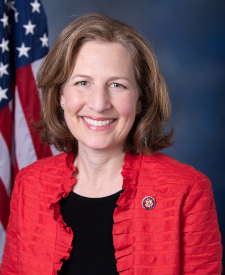
Legislative Progress
In CommitteeMs. Castor of Florida (for herself, Mr. Bacon, and Ms. …
Referred to the House Committee on Energy and Commerce.
Introduced in House
Stakeholder Effects
cui bono?How this legislation distributes effects. Mention counts reflect frequency, not effect magnitude.
Adolescents needing HPV vaccination, Black women at cervical-cancer risk, Health care providers
Positive-direction: Adolescents needing HPV vaccination, Black women at cervical-cancer risk, Hispanic women at cervical-cancer risk
Negative-direction: Health care providers
Bill Structure & Actor Mappings
Who is "The Secretary" in each section?
- "agencies"
- → ['HHS', 'CDC']
- "programs"
- → ['National Breast and Cervical Cancer Early Detection Program']
We use a combination of our own taxonomy and classification in addition to large language models to assess meaning and potential beneficiaries. High confidence means strong textual evidence. Always verify with the original bill text.
Learn more about our methodology