National Flood Insurance Program Automatic Extension Act of 2025
Summary
What This Bill Does
The National Flood Insurance Program Automatic Extension Act rewrites section 1319 of the National Flood Insurance Act. Although the statutory expiration language still says no new flood-insurance contract may be entered after September 30, 2023, the new automatic-extension rule extends core NFIP authorities until the last day of the fiscal year following the terminal fiscal year unless Congress enacts a law extending or repealing the authority before the termination date. The automatically extended authorities let the FEMA Administrator enter, issue, or renew flood insurance contracts, keep existing coverage in force, pay claims, service policies including through participating insurers, carry out administrative and operational functions, and otherwise operate the NFIP. Date-tied limits, including borrowing limits, apply at the same dollar amounts, rates, terms, and conditions in effect the day before termination, and expiring appropriations or funding availability continue at the same level and terms. The automatic extension does not extend separate pilot programs, studies, task forces, commissions, councils, or committees with explicit statutory sunsets. The section applies retroactively as if enacted on September 30, 2025.
Who Benefits and How
Homeowners in flood-prone areas benefit from uninterrupted ability to maintain or renew NFIP coverage. Mortgage lenders benefit because required flood-insurance coverage is less likely to lapse due to program expiration. Existing policyholders benefit because claims payment and policy servicing continue during an automatic extension. Participating insurers benefit from continuity for servicing NFIP policies. Real estate markets in flood zones benefit from less shutdown risk around congressional reauthorization deadlines.
Who Bears the Burden and How
FEMA NFIP administrators must continue issuing, renewing, servicing, and paying claims under automatically extended authority. Participating insurers must continue servicing policies under existing terms. Federal taxpayers and NFIP borrowing capacity remain exposed to claims and operating costs during automatic extensions. Congress retains responsibility for long-term reauthorization, because the automatic extension preserves operations but does not resolve underlying program policy or debt questions.
Key Provisions
- Establishes automatic extension of core NFIP authorities through the fiscal year after the terminal fiscal year.
- Authorizes continued issuance, renewal, servicing, claims payment, administration, and operation of flood insurance.
- Preserves date-tied dollar limits, rates, terms, conditions, appropriations, and funding availability during extensions.
- Excludes explicit statutory sunsets for pilots, studies, task forces, commissions, councils, and committees.
- Applies retroactively as if enacted on September 30, 2025.
Evidence Chain:
This summary is generated from the full bill text using AI analysis. Expand "Detailed Analysis" below for identified beneficiaries/burden bearers with clause-level evidence links.
At a Glance
What This Bill Does
Automatically extends core National Flood Insurance Program operating authorities through the fiscal year after any terminal fiscal year, preserving policies, renewals, claims, servicing, administrative functions, funding levels, and limits unless Congress acts.
Key Policy Areas
Flood Insurance, Housing, Disaster Risk
Primary Purpose
Automatically extends core National Flood Insurance Program operating authorities through the fiscal year after any terminal fiscal year, preserving policies, renewals, claims, servicing, administrative functions, funding levels, and limits unless Congress acts.
Policy Domains
Substantive provisions
Identified Gains
- Homeowners in flood-prone areas
- Mortgage lenders
- Existing NFIP policyholders
- Participating insurers
- Real estate markets in flood zones
Identified Costs
- FEMA NFIP administrators
- Participating insurers
- Federal taxpayers
- NFIP borrowing program staff
- Congressional reauthorization committees
Sponsors
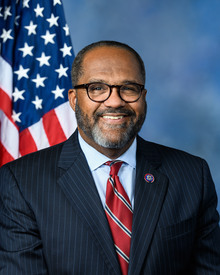
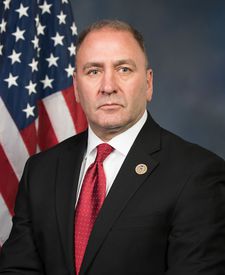



Legislative Progress
In CommitteeMr. Carter of Louisiana (for himself, Mr. Ezell, Ms. Letlow, …
Referred to the House Committee on Financial Services.
Introduced in House
Stakeholder Effects
cui bono?How this legislation distributes effects. Mention counts reflect frequency, not effect magnitude.
FEMA NFIP administrators, NFIP borrowing program staff
Bill Structure & Actor Mappings
Who is "The Secretary" in each section?
- "agencies"
- → ['FEMA', 'National Flood Insurance Program']
- "industry"
- → ['Mortgage lenders', 'Participating insurers']
We use a combination of our own taxonomy and classification in addition to large language models to assess meaning and potential beneficiaries. High confidence means strong textual evidence. Always verify with the original bill text.
Learn more about our methodology