Failing Bank Acquisition Fairness Act
Summary
What This Bill Does
The Failing Bank Acquisition Fairness Act limits when regulators can let already-large banking organizations acquire failed or failing institutions despite statutory concentration limits. It amends the Bank Merger Act, FDIC receivership provisions, and Bank Holding Company Act exceptions so default, danger-of-default, and FDIC-assisted acquisitions can use concentration-limit exceptions only when the responsible agency finds by clear and convincing evidence that the acquisition is necessary to prevent significant economic disruption or adverse financial-stability effects.
The bill also bars those exceptions when FDIC has received a qualified bid from an institution that is not prohibited by the concentration limits. A qualified bid requires the company and its affiliates to be well capitalized and well managed and the resulting depository institution to be well capitalized. When the Federal Reserve, OCC, or FDIC waives concentration limits for default or FDIC-assisted transactions, the waiving agency and FDIC must report to the House Financial Services Committee and Senate Banking Committee within 30 days, explain the justification, identify alternative bids and outcomes, explain why alternatives were not selected, and make the report public subject to redactions. FDIC may not count bids that would violate concentration limits when making its least-cost Deposit Insurance Fund determination.
Who Benefits and How
Regional bank bidders benefit because large-bank concentration exceptions become harder to use when a qualified non-prohibited bid exists. Community banks benefit if failed-bank sales are less likely to default to the largest acquirers. Deposit Insurance Fund stakeholders benefit if regulators must justify why concentration-limit waivers are necessary and why alternatives were rejected. Congressional banking committees benefit from prompt reports on waived concentration limits. Banking-market competitors benefit from rules designed to preserve competition in emergency acquisitions.
Who Bears the Burden and How
Federal Reserve merger staff must make and document clear-and-convincing necessity determinations before concentration-limit exceptions are used. OCC licensing staff must apply the same test for covered national-bank transactions. FDIC resolution staff must evaluate qualified non-prohibited bids, join waiver reports, and ignore bad-faith concentration-violating bids in least-cost analysis. Large banking organizations near concentration limits bear a burden because their bids are less usable in failed-bank acquisitions. Treasury and financial-stability officials may have fewer emergency acquisition paths when a qualified smaller bidder exists.
Key Provisions
- Tightens concentration-limit exceptions for default and danger-of-default bank mergers.
- Requires clear and convincing evidence that a covered acquisition is necessary to prevent significant economic disruption or adverse financial-stability effects.
- Bars exceptions when FDIC has received a qualified bid from a non-prohibited institution.
- Defines qualified bid using well-capitalized and well-managed standards for the bidder and affiliates.
- Requires the waiving agency and FDIC to report to congressional banking committees within 30 days.
- Requires public waiver reports with justification, alternatives, reasons for rejecting alternatives, and competition recommendations.
- Excludes concentration-violating bids from FDIC least-cost Deposit Insurance Fund determinations.
Evidence Chain:
This summary is generated from the full bill text using AI analysis. Expand "Detailed Analysis" below for identified beneficiaries/burden bearers with clause-level evidence links.
At a Glance
What This Bill Does
Tightens default and failing-bank acquisition exceptions to banking concentration limits by requiring clear-and-convincing necessity findings, barring exceptions when a qualified non-prohibited bidder exists, requiring public reports when concentration limits are waived, and excluding concentration-violating bids from FDIC least-cost calculations.
Key Policy Areas
Banking, Financial Stability, Bank Mergers, FDIC Resolution
Primary Purpose
Tightens default and failing-bank acquisition exceptions to banking concentration limits by requiring clear-and-convincing necessity findings, barring exceptions when a qualified non-prohibited bidder exists, requiring public reports when concentration limits are waived, and excluding concentration-violating bids from FDIC least-cost calculations.
Policy Domains
House resolution provisions
Identified Gains
- Regional bank bidders
- Community banks
- Deposit Insurance Fund stakeholders
- Congressional banking committees
- Banking-market competitors
Identified Costs
- Federal Reserve merger staff
- OCC licensing staff
- FDIC resolution staff
- Large banking organizations near concentration limits
- Treasury financial-stability officials
Sponsors
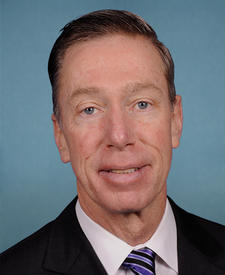
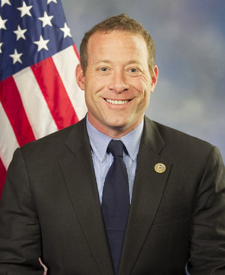
Legislative Progress
ReportedPlaced on the Union Calendar, Calendar No. 406.
Reported (Amended) by the Committee on Financial Services. H. Rept. …
Additional sponsor: Mr. Gottheimer
Reported with an amendment, committed to the Committee of the …
Ordered to be Reported (Amended) by the Yeas and Nays: …
Committee Consideration and Mark-up Session Held
Committee Consideration and Mark-up Session Held
Introduced in House
Referred to the House Committee on Financial Services.
Mr. Lynch introduced the following bill; which was referred to …
Stakeholder Effects
cui bono?How this legislation distributes effects. Mention counts reflect frequency, not effect magnitude.
Community bank competitors, Community banks, Large banking organizations near concentration limits
Positive-direction: Community bank competitors, Community banks, Regional bank bidders
Negative-direction: Large banking organizations near concentration limits
FDIC resolution staff, OCC licensing staff
House Financial Services Committee members, Senate Banking Committee members
Bill Structure & Actor Mappings
Who is "The Secretary" in each section?
- "fed"
- → Board of Governors of the Federal Reserve System
- "occ"
- → Comptroller of the Currency
- "fdic"
- → Federal Deposit Insurance Corporation
- "treasury"
- → Secretary of the Treasury
We use a combination of our own taxonomy and classification in addition to large language models to assess meaning and potential beneficiaries. High confidence means strong textual evidence. Always verify with the original bill text.
Learn more about our methodology