TIER Act of 2025
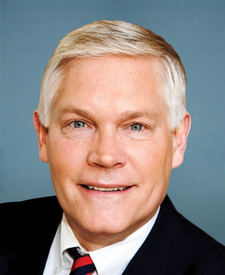
Sponsors
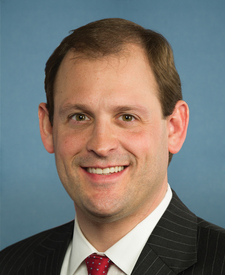
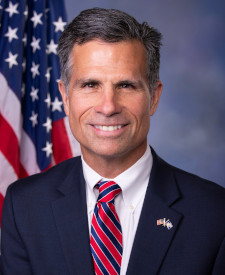
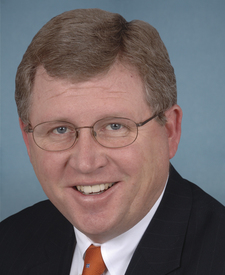
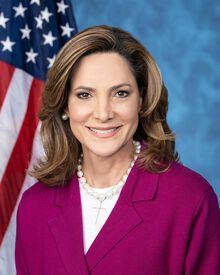
Legislative Progress
ReportedMr. Barr introduced the following bill; which was referred to …
Summary
What This Bill Does
The TIER Act of 2025 (Tailoring and Indexing Enhanced Regulations Act) raises the asset thresholds that trigger enhanced federal banking regulations under Dodd-Frank. Banks with assets below these higher thresholds will face less regulatory oversight. The bill also creates an automatic system to raise these thresholds every 5 years to keep pace with GDP growth.
Who Benefits and How
Regional and mid-sized banks benefit significantly. Banks with assets between $100 billion and $370 billion will escape enhanced prudential standards like stricter stress testing, capital requirements, and liquidity rules. Bank holding companies with assets between $50 billion and $75 billion will face reduced Federal Reserve stress testing requirements. These banks save money on compliance costs and face less regulatory burden, potentially freeing up capital for lending.
Who Bears the Burden and How
Federal banking regulators (the Federal Reserve, OCC, and FDIC) face new administrative requirements to review and adjust thresholds every 5 years and report to Congress. Taxpayers and depositors may bear indirect risk if reduced oversight leads to bank failures, though this is uncertain. Financial stability advocates argue that fewer banks under enhanced supervision increases systemic risk.
Key Provisions
- Raises the threshold for enhanced prudential standards from $250 billion to $370 billion in assets
- Raises Federal Reserve assessment thresholds from $100 billion to $150 billion
- Raises stress testing thresholds from $50 billion to $75 billion
- Creates automatic GDP-indexed adjustments to all thresholds every 5 years starting in 2031
- Requires banking regulators to review and adjust regulatory (non-statutory) thresholds starting in 2026
- Mandates Federal Register publication of adjusted thresholds and Congressional reporting
Evidence Chain:
This summary is derived from the structured analysis below. See "Detailed Analysis" for per-title beneficiaries/burden bearers with clause-level evidence links.
Primary Purpose
Raises regulatory thresholds for banks and financial institutions under Dodd-Frank to account for GDP growth and establishes automatic future indexing to prevent threshold erosion
Policy Domains
Legislative Strategy
"Provide regulatory relief to mid-sized and regional banks by raising asset thresholds that trigger enhanced prudential standards, while creating automatic indexing to prevent future threshold erosion"
Likely Beneficiaries
- Regional and mid-sized banks with assets between B-B (escape enhanced prudential standards)
- Bank holding companies with assets between B-B (reduced stress testing requirements)
- Savings and loan holding companies with assets between B-B
- Financial companies previously subject to stricter capital requirements
Likely Burden Bearers
- Federal Reserve (new periodic review and publication requirements)
- OCC (new periodic threshold review requirements)
- FDIC (new periodic threshold review requirements)
- Financial stability regulators (reduced oversight scope)
Bill Structure & Actor Mappings
Who is "The Secretary" in each section?
- "board_of_governors"
- → Federal Reserve Board of Governors
- "comptroller"
- → Comptroller of the Currency (OCC)
- "the_corporation"
- → Federal Deposit Insurance Corporation (FDIC)
- "board_of_governors"
- → Federal Reserve Board of Governors
- "board_of_governors"
- → Federal Reserve Board of Governors
- "comptroller"
- → Comptroller of the Currency (OCC)
- "the_corporation"
- → Federal Deposit Insurance Corporation (FDIC)
- "board_of_governors"
- → Federal Reserve Board of Governors
Key Definitions
Terms defined in this bill
Asset thresholds in Federal Reserve Act section 11(s), Financial Stability Act sections 116(a), 121(a), 163(b), 164, 165(a)(1), 165(h)(2), 165(i)(2)(A), 165(j)(1), and Economic Growth Act section 401(f)
Annual value published by Department of Commerce, used as basis for threshold adjustments
We use a combination of our own taxonomy and classification in addition to large language models to assess meaning and potential beneficiaries. High confidence means strong textual evidence. Always verify with the original bill text.
Learn more about our methodology