DHS Suicide Prevention and Resiliency for Law Enforcement Act
Summary
What This Bill Does
The DHS Suicide Prevention and Resiliency for Law Enforcement Act adds a new Homeland Security Act section 710A. It requires the DHS Secretary to establish a Law Enforcement Mental Health and Wellness Program in the office overseen by the DHS Chief Medical Officer. Covered components include CBP, ICE, the DHS Office of Inspector General, the Secret Service, TSA, and any other DHS component with law enforcement officers or agents. The program must set policies and standard operating procedures, collect and research data on mental health, suicides, and attempted suicides subject to privacy and disability-law safeguards, track leading practices, evaluate component programs, promote education and training on mental health, resilience, suicide prevention, stigma, and resources, and establish a Peer-to-Peer Support Program Advisory Council with clinician and peer-support representatives from each component. DHS must support families and surviving families, coordinate with component mental-health officials and exclusive representatives, assign component officials, improve resources and anti-retaliation safeguards, provide live or interactive suicide-awareness and resiliency training at onboarding, annually, for supervisors, and before departure when feasible, conduct annual confidential surveys, and use the results to recommend improvements.
Who Benefits and How
DHS law enforcement officers benefit from more consistent mental-health resources, suicide-prevention training, peer support, confidentiality safeguards, and anti-retaliation protections when seeking counseling. Families and surviving families benefit from support and training tied to officer wellness and suicide loss. Peer support clinicians, chaplains, and component mental-health personnel benefit from clearer roles, training standards, and a cross-component support network. DHS component heads benefit from program data and recommendations for improving officer wellness. Congress benefits from a clearer statutory structure for oversight of DHS law-enforcement resiliency efforts.
Who Bears the Burden and How
The DHS Secretary, Chief Medical Officer, Workplace Health and Wellness Coordinator, Chief Privacy Officer, and component heads must staff, manage, coordinate, survey, and improve the program. CBP, ICE, Secret Service, TSA, DHS OIG, and other component leadership must dedicate officials, improve programs, protect privacy, avoid retaliation, and provide recurring training. Peer-support personnel must complete training and sustain workplace resources. Federal taxpayers bear implementation and staffing costs subject to appropriations. DHS data staff must protect personally identifiable information and comply with Privacy Act and nondisclosure requirements.
Key Provisions
- Establishes a DHS Law Enforcement Mental Health and Wellness Program under the Chief Medical Officer.
- Requires suicide, attempted-suicide, mental-health, trend, and program-evaluation data work with privacy safeguards.
- Establishes a Peer-to-Peer Support Program Advisory Council with clinician and component peer-support representation.
- Requires family support, survivor-family support, outreach, resource messaging, and component coordination.
- Requires component heads to improve mental-health programs, anti-stigma culture, anonymous support paths, and anti-retaliation safeguards.
- Requires live or interactive suicide-awareness and resiliency training for DHS law-enforcement officers and agents.
- Requires annual confidential surveys and recommendations to improve component wellness programs.
Evidence Chain:
This summary is generated from the full bill text using AI analysis. Expand "Detailed Analysis" below for identified beneficiaries/burden bearers with clause-level evidence links.
At a Glance
What This Bill Does
Creates a DHS Law Enforcement Mental Health and Wellness Program, peer-support advisory structure, data and suicide-prevention requirements, family support, component duties, surveys, privacy safeguards, and reporting for DHS law-enforcement personnel.
Key Policy Areas
Homeland Security, Law Enforcement, Mental Health, Workforce
Primary Purpose
Creates a DHS Law Enforcement Mental Health and Wellness Program, peer-support advisory structure, data and suicide-prevention requirements, family support, component duties, surveys, privacy safeguards, and reporting for DHS law-enforcement personnel.
Policy Domains
Substantive provisions
Identified Gains
- DHS law enforcement officers
- DHS law enforcement families
- Surviving families
- Peer support clinicians
- DHS component heads
- Congressional homeland-security committees
Identified Costs
- DHS Secretary
- DHS Chief Medical Officer
- Workplace Health and Wellness Coordinator
- DHS component heads
- DHS Chief Privacy Officer
- Federal taxpayers
- Peer-support personnel
Sponsors
Legislative Progress
In CommitteeReferred to the Subcommittee on Counterterrorism and Intelligence.
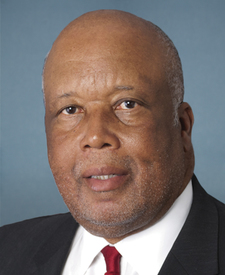
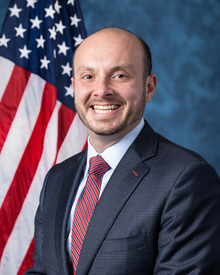
Mr. Thompson of Mississippi (for himself and Mr. Garbarino) introduced …
Referred to the House Committee on Homeland Security.
Introduced in House
Stakeholder Effects
cui bono?How this legislation distributes effects. Mention counts reflect frequency, not effect magnitude.
DHS Chief Medical Officer, DHS component heads, Workplace Health Wellness Coordinator
DHS law enforcement families, Surviving DHS families
Bill Structure & Actor Mappings
Who is "The Secretary" in each section?
- "agencies"
- → ['DHS', 'CBP', 'ICE', 'Secret Service', 'TSA', 'DHS Office of Inspector General']
- "programs"
- → ['Law Enforcement Mental Health and Wellness Program']
We use a combination of our own taxonomy and classification in addition to large language models to assess meaning and potential beneficiaries. High confidence means strong textual evidence. Always verify with the original bill text.
Learn more about our methodology