Anti-Communism Week Act
Summary
What This Bill Does
The Anti-Communism Week Act is a commemorative title 36 bill. It includes congressional findings describing communism as responsible for more than 100 million deaths, repression of faith and dissent, destruction of prosperity, and threats to liberty. It then adds a new section 149 to chapter 1 of title 36 requesting that the President designate a week each year as Anti-Communism Week and issue a proclamation calling on people in the United States to observe the week with appropriate ceremonies and activities. The bill does not create a grant, penalty, school mandate, or agency program; its legal effect is an annual presidential proclamation request and symbolic congressional statement.
Who Benefits and How
Victims of communist regimes and their families benefit from federal recognition of their memory. Anti-communism civic organizations benefit from an annual observance they can use for ceremonies and public education. Schools, museums, and community groups may benefit from a national theme for voluntary civic programming. The President benefits from a clear title 36 basis for issuing an annual proclamation.
Who Bears the Burden and How
White House proclamation staff must prepare the annual designation if the President follows the request. Civic organizations and schools that choose to observe the week must organize voluntary ceremonies or educational activities with their own resources. No private party is required to participate, no federal agency must run a grant program, and no penalty applies to nonparticipation.
Key Provisions
- Adds a new title 36 section for Anti-Communism Week.
- Requests annual presidential designation of a week as Anti-Communism Week.
- Provides congressional findings on deaths, repression, and liberty concerns under communist regimes.
- Provides a voluntary observance framework without grants, penalties, or private compliance mandates.
Evidence Chain:
This summary is generated from the full bill text using AI analysis. Expand "Detailed Analysis" below for identified beneficiaries/burden bearers with clause-level evidence links.
At a Glance
What This Bill Does
Adds Anti-Communism Week to title 36 as an annual presidential proclamation request and frames it as a national remembrance for victims of communist regimes and a civic reaffirmation of liberty.
Key Policy Areas
Commemorations, Civic Education, Human Rights
Primary Purpose
Adds Anti-Communism Week to title 36 as an annual presidential proclamation request and frames it as a national remembrance for victims of communist regimes and a civic reaffirmation of liberty.
Policy Domains
Substantive provisions
Identified Gains
- Families of victims of communist regimes
- Anti-communism civic organizations
- Schools choosing observances
- Museums choosing observances
- Community groups choosing observances
Identified Costs
- White House proclamation staff
- Civic organizations choosing observances
- Schools choosing observances
- Museums choosing observances
Sponsors



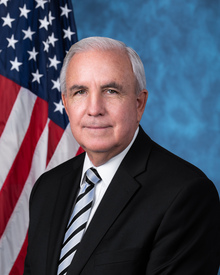

Legislative Progress
In CommitteeMs. Salazar (for herself, Mr. Hurd of Colorado, Ms. Tenney, …
Referred to the House Committee on Oversight and Government Reform.
Introduced in House
Stakeholder Effects
cui bono?How this legislation distributes effects. Mention counts reflect frequency, not effect magnitude.
Anti-communism civic organizations, Civic organizations choosing observances
Bill Structure & Actor Mappings
Who is "The Secretary" in each section?
- "agencies"
- → ['President', 'White House']
- "affected_groups"
- → ['Families of victims of communist regimes', 'Anti-communism civic organizations']
We use a combination of our own taxonomy and classification in addition to large language models to assess meaning and potential beneficiaries. High confidence means strong textual evidence. Always verify with the original bill text.
Learn more about our methodology