STORM Act
Summary
What This Bill Does
The STORM Act amends the Stafford Act to let the President certify private health care workforce platforms for voluntary agreements lasting at least one year. A qualifying platform must partner with credentialed independent contractor health care workers, be able to facilitate surge capacity during emergencies, and be self-sustaining outside emergencies. During a Stafford Act emergency, the President may coordinate with States to facilitate licensure waivers for out-of-state independent contractor health care workers deployed through a certified platform when the federal government, State, or affected local government uses their services for emergency response. The President must establish model waiver procedures and criteria that include qualification demonstrations, background checks, expedited deployment to affected areas, and possible reliance on platform vetting.
Who Benefits and How
Certified health care workforce platforms benefit because federal certification can make them eligible for emergency deployment agreements. Independent contractor clinicians benefit from a route to deploy across State lines during emergencies when licensure waivers are adopted. States and local governments affected by emergencies benefit from faster surge staffing. Hospitals and emergency health facilities benefit from access to additional credentialed workers. Patients in disaster areas benefit if the platform agreements reduce staffing shortages during emergencies.
Who Bears the Burden and How
The President and federal emergency-management staff must certify platforms, negotiate voluntary agreements, coordinate with States, and establish model procedures. State licensing boards must decide whether to adopt waiver procedures and verify out-of-state workers. Health care workforce platforms must maintain credentialing, verification, background-check support, and deployment capacity. Independent contractor health care workers must satisfy license, credential, and background requirements. Federal and State officials must monitor emergency deployment reporting and compliance.
Key Provisions
- Defines health care workforce platforms and independent contractor health care workers for Stafford Act emergencies.
- Authorizes presidential certification of platforms eligible for voluntary emergency agreements.
- Requires agreements to last at least one year when certified platforms are used.
- Authorizes coordination with States to facilitate licensure waivers for out-of-state health workers during emergencies.
- Requires model procedures covering qualifications, background checks, expedited deployment, and platform vetting.
Evidence Chain:
This summary is generated from the full bill text using AI analysis. Expand "Detailed Analysis" below for identified beneficiaries/burden bearers with clause-level evidence links.
At a Glance
What This Bill Does
Allows certified private health care workforce platforms to enter emergency agreements with the federal government, helps States waive licensure barriers during Stafford Act emergencies, and creates model procedures for deploying independent contractor health workers.
Key Policy Areas
Disaster Response, Health Care, Workforce
Primary Purpose
Allows certified private health care workforce platforms to enter emergency agreements with the federal government, helps States waive licensure barriers during Stafford Act emergencies, and creates model procedures for deploying independent contractor health workers.
Policy Domains
Substantive provisions
Identified Gains
- Certified health care workforce platforms
- Independent contractor clinicians
- Emergency-affected States
- Local governments in disaster areas
- Hospitals needing surge staff
- Patients in disaster areas
Identified Costs
- Federal emergency-management staff
- State licensing boards
- Health care workforce platforms
- Independent contractor clinicians
- State emergency officials
Sponsors
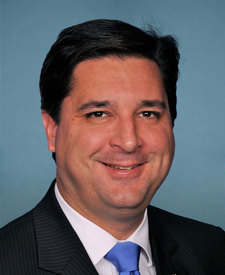
Legislative Progress
In CommitteeReferred to the Subcommittee on Economic Development, Public Buildings, and …
Mr. Rouzer introduced the following bill; which was referred to …
Referred to the House Committee on Transportation and Infrastructure.
Introduced in House
Stakeholder Effects
cui bono?How this legislation distributes effects. Mention counts reflect frequency, not effect magnitude.
Certified health care workforce platforms, Health care workforce platforms, Hospitals needing surge staff
Positive-direction: Certified health care workforce platforms, Hospitals needing surge staff, Independent contractor clinicians
Negative-direction: Health care workforce platforms
Emergency-affected States, State licensing boards
Positive-direction: Emergency-affected States
Negative-direction: State licensing boards
Bill Structure & Actor Mappings
Who is "The Secretary" in each section?
- "agencies"
- → ['President', 'State licensing boards']
- "industry"
- → ['Health care workforce platforms', 'Independent contractor clinicians']
We use a combination of our own taxonomy and classification in addition to large language models to assess meaning and potential beneficiaries. High confidence means strong textual evidence. Always verify with the original bill text.
Learn more about our methodology