To extend the Secure Rural Schools and Community Self-Determination Act of 2000.
Summary
What This Bill Does
This bill extends the Secure Rural Schools and Community Self-Determination Act payment framework by replacing 2023 deadlines with 2026 in key payment provisions. For fiscal years 2024 and 2025, it creates special offset rules so eligible counties that already received 25-percent State payments or 50-percent county payments have those amounts deducted from their Secure Rural Schools payment. Treasury must make all title I payments for fiscal years 2024 and 2025 within 45 days after enactment. The bill also carries forward fiscal year 2023 county elections for fiscal years 2024 and 2025 instead of requiring new elections, extends resource advisory committee pilot authority to 2026, extends project and expenditure deadlines into 2028 and 2029, and makes technical corrections to resource advisory committee provisions.
Who Benefits and How
Eligible rural counties benefit from continued Secure Rural Schools payments for schools, roads, and county services tied to federal forest lands. States receiving State payments benefit from a continued payment formula. Resource advisory committees benefit from extended pilot authority and later project deadlines. Rural schools and county road programs benefit from continued federal payment stability. County administrators benefit from carried-forward fiscal year 2023 elections for 2024 and 2025.
Who Bears the Burden and How
Treasury payment staff must make fiscal year 2024 and 2025 payments within 45 days and apply offset rules for counties that already received 25-percent or 50-percent payments. County administrators must reconcile prior payments against new payments. Forest Service and Interior public-land staff must support continued resource-advisory and project authorities. Federal taxpayers bear the cost of continued Secure Rural Schools payments. Resource advisory committee participants must operate under extended timelines and corrected procedures.
Key Provisions
- Extends core Secure Rural Schools payment years from 2023 to 2026.
- Requires Treasury to make fiscal year 2024 and 2025 payments within 45 days after enactment.
- Requires offsets for counties that already received 25-percent State payments or 50-percent county payments.
- Provides carried-forward county elections for fiscal years 2024 and 2025.
- Extends resource advisory committee pilot authority and project deadlines into later years.
- Makes technical corrections to resource advisory committee provisions.
Evidence Chain:
This summary is generated from the full bill text using AI analysis. Expand "Detailed Analysis" below for identified beneficiaries/burden bearers with clause-level evidence links.
At a Glance
What This Bill Does
Extends Secure Rural Schools payments through 2026, orders prompt Treasury payments for fiscal years 2024 and 2025, carries forward county elections, extends resource-advisory committee authorities, and makes technical corrections.
Key Policy Areas
Public Lands, Rural Counties, Education, Local Government
Primary Purpose
Extends Secure Rural Schools payments through 2026, orders prompt Treasury payments for fiscal years 2024 and 2025, carries forward county elections, extends resource-advisory committee authorities, and makes technical corrections.
Policy Domains
Substantive provisions
Identified Gains
- Eligible rural counties
- Rural schools
- County road programs
- States receiving SRS payments
- Resource advisory committees
- County administrators
Identified Costs
- Treasury payment staff
- County administrators
- Forest Service public-land staff
- Interior public-land staff
- Federal taxpayers
- Resource advisory committee participants
Sponsors
Legislative Progress
In CommitteeReferred to the Subcommittee on Forestry and Horticulture.
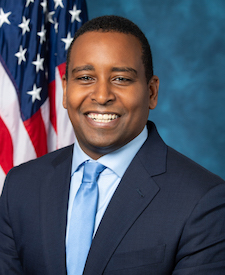
Mr. Neguse introduced the following bill; which was referred to …
Referred to the Committee on Agriculture, and in addition to …
Introduced in House
Stakeholder Effects
cui bono?How this legislation distributes effects. Mention counts reflect frequency, not effect magnitude.
County administrators, County road programs, Eligible rural counties
Positive-direction: County road programs, Eligible rural counties
Negative-direction: County administrators
Resource advisory committees, Treasury payment staff
Positive-direction: Resource advisory committees
Negative-direction: Treasury payment staff
Bill Structure & Actor Mappings
Who is "The Secretary" in each section?
- "agencies"
- → ['Department of the Treasury', 'Forest Service', 'Department of the Interior']
- "programs"
- → ['Secure Rural Schools payments', 'Resource advisory committees']
We use a combination of our own taxonomy and classification in addition to large language models to assess meaning and potential beneficiaries. High confidence means strong textual evidence. Always verify with the original bill text.
Learn more about our methodology