PATHS to Tutor Act of 2025
Summary
What This Bill Does
The PATHS to Tutor Act creates a competitive Education Department grant program for local consortia made up of a local educational agency, school, or educational service agency and an educator preparation program, with optional community partners such as nonprofits, institutions of higher education, foundations, educator organizations, local governments, student groups, and parent groups. Grants fund high-quality tutoring at high-need or hard-to-staff schools. The bill defines that tutoring as one-on-one or small-group instruction, generally no more than one tutor for four students, aligned to local standards and curriculum, embedded in or tightly connected to the school day, matched by content and grade, supported by pre-service training and ongoing professional support, and adequately compensated. Applications must describe recruitment, tutor matching, training, duration, curriculum alignment, student-learning acceleration, capacity building, compensation, supplement-not-supplant assurances, and social-emotional, trauma-informed, culturally responsive practices. The bill authorizes $500 million, requires at least 85 percent to directly support students and tutor or mentor stipends, and caps other uses at 15 percent. It also requires an interagency agreement with the Corporation for National and Community Service so tutor positions can become approved national service positions with education awards after service completion.
Who Benefits and How
High-need schools benefit from grant-funded tutoring capacity during the school day, after school, or vacations. Students benefit from small-group academic support, transportation, meals, snacks, instructional materials, connectivity resources, and tutoring aligned to local curriculum. Postsecondary students, paraprofessionals, recent educator-preparation graduates, and licensed educators benefit from paid tutor roles and possible national service education awards. Educator preparation programs benefit from placements that connect aspiring teachers with hard-to-staff schools. Local educational agencies benefit from grant resources for supplemental tutoring rather than replacing teaching positions.
Who Bears the Burden and How
The Secretary of Education must design, compete, award, and monitor the grant program and enforce the 85 percent direct-support rule. Local consortia must submit detailed applications, compensate tutors, align tutoring to curriculum, avoid tracking or negative labeling, supplement rather than supplant existing funds, and report program design. The Corporation for National and Community Service must approve eligible tutor positions and administer education-award mechanics. Federal taxpayers bear the $500 million authorization. Tutors and mentors must meet program training, collaboration, and service-completion requirements to receive stipends or awards.
Key Provisions
- Establishes competitive Education Department grants for high-quality tutoring in high-need and hard-to-staff schools.
- Requires local consortia to include an LEA, school, or educational service agency plus an educator preparation program.
- Defines tutoring standards for small groups, curriculum alignment, multiple weekly sessions, professional support, and adequate compensation.
- Authorizes $500 million and requires at least 85 percent for direct student support, stipends, materials, meals, transportation, and connectivity.
- Requires coordination with the Corporation for National and Community Service for approved national service tutor positions and education awards.
Evidence Chain:
This summary is generated from the full bill text using AI analysis. Expand "Detailed Analysis" below for identified beneficiaries/burden bearers with clause-level evidence links.
At a Glance
What This Bill Does
Authorizes a $500 million Education Department grant program for local consortia to run high-quality tutoring in high-need and hard-to-staff schools, plus national-service education awards for tutors.
Key Policy Areas
Education, Grants, National Service
Primary Purpose
Authorizes a $500 million Education Department grant program for local consortia to run high-quality tutoring in high-need and hard-to-staff schools, plus national-service education awards for tutors.
Policy Domains
Substantive provisions
Identified Gains
- High-need schools
- Students in hard-to-staff schools
- Tutors
- Educator preparation programs
- Local educational agencies
- Corporation for National and Community Service award users
Identified Costs
- Secretary of Education
- Local consortia
- Corporation for National and Community Service staff
- Federal taxpayers
- Tutor program fiscal agents
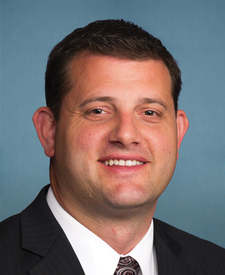
Sponsors


Legislative Progress
In CommitteeMs. Lee of Nevada (for herself and Mr. Valadao) introduced …
Referred to the House Committee on Education and Workforce.
Introduced in House
Stakeholder Effects
cui bono?How this legislation distributes effects. Mention counts reflect frequency, not effect magnitude.
Educator preparation programs, High-need schools, Local educational agencies
Corporation national service staff, Department of Education grant staff, Secretary of Education
Bill Structure & Actor Mappings
Who is "The Secretary" in each section?
- "agencies"
- → ['Department of Education', 'Corporation for National and Community Service']
- "programs"
- → ['High-quality tutoring grants', 'National service education awards']
We use a combination of our own taxonomy and classification in addition to large language models to assess meaning and potential beneficiaries. High confidence means strong textual evidence. Always verify with the original bill text.
Learn more about our methodology