CARING for Our Veterans Health Act of 2025
Summary
What This Bill Does
The CARING for Our Veterans Health Act directs the VA Under Secretary for Health to ensure that the Office of Integrated Veteran Care develops guidance for VA medical centers on obtaining final medical documentation after a veteran receives community care through a referral. It requires goals and performance measures for VA medical centers to obtain initial and final documentation from community care providers, adds performance measures for completion of core trainings by those providers, and requires VA officials plus Office contractors to communicate clearly whether each core training is recommended or required. The Under Secretary must report to the House and Senate Veterans Affairs Committees every 120 days until those implementation requirements are fully met.
Who Benefits and How
Veterans receiving VA community care benefit because medical centers should have more complete records after outside referrals, which can reduce handoff risk and improve follow-up care. VA clinicians benefit from clearer documentation flows. Community care providers benefit from clearer training expectations from the Office of Integrated Veteran Care and its contractors. Congressional oversight committees benefit from recurring 120-day implementation reports.
Who Bears the Burden and How
The VA Under Secretary for Health must oversee implementation, performance measures, and repeat reports. The Office of Integrated Veteran Care must write guidance, monitor medical-center documentation goals, and ensure provider training completion. VA medical centers must track initial and final documentation after referrals. Community care providers must complete required core training and provide documentation needed for VA records.
Key Provisions
- Requires VA community-care documentation guidance for medical centers after referred care.
- Establishes performance goals for initial and final medical documentation from community providers.
- Requires provider core-training goals, monitoring, and clear communications about required training.
- Directs 120-day reports to House and Senate Veterans Affairs Committees until implementation is complete.
Evidence Chain:
This summary is generated from the full bill text using AI analysis. Expand "Detailed Analysis" below for identified beneficiaries/burden bearers with clause-level evidence links.
At a Glance
What This Bill Does
Requires the Department of Veterans Affairs to tighten community-care documentation, provider-training performance measures, and congressional reporting for the Office of Integrated Veteran Care.
Key Policy Areas
Veterans, Health Care, Government Oversight
Primary Purpose
Requires the Department of Veterans Affairs to tighten community-care documentation, provider-training performance measures, and congressional reporting for the Office of Integrated Veteran Care.
Policy Domains
Substantive provisions
Identified Gains
- Veterans receiving VA community care
- VA clinicians
- Community care providers
- House Veterans Affairs Committee
- Senate Veterans Affairs Committee
Identified Costs
- VA Under Secretary for Health
- Office of Integrated Veteran Care
- VA medical centers
- Community care providers
- VA community-care contractors
Sponsors

Legislative Progress
In CommitteeReferred to the Subcommittee on Health.
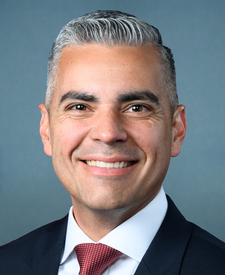
Mr. Hamadeh of Arizona introduced the following bill; which was …
Referred to the House Committee on Veterans' Affairs.
Introduced in House
Stakeholder Effects
cui bono?How this legislation distributes effects. Mention counts reflect frequency, not effect magnitude.
Congressional veterans committees, VA Office of Integrated Veteran Care, VA medical centers
Positive-direction: Congressional veterans committees
Negative-direction: VA Office of Integrated Veteran Care, VA medical centers
Bill Structure & Actor Mappings
Who is "The Secretary" in each section?
- "agencies"
- → ['Department of Veterans Affairs', 'Office of Integrated Veteran Care']
- "oversight"
- → ['House Veterans Affairs Committee', 'Senate Veterans Affairs Committee']
We use a combination of our own taxonomy and classification in addition to large language models to assess meaning and potential beneficiaries. High confidence means strong textual evidence. Always verify with the original bill text.
Learn more about our methodology