To authorize a Law Enforcement Education Grant program to encourage students to pursue a career in law enforcement.
Analysis under review: This bill has generated analysis that may be too generic or incomplete. Clause-level evidence remains available below.
Summary
What This Bill Does
This bill, To authorize a Law Enforcement Education Grant program to encourage students to pursue a career in law enforcement., changes federal law or congressional policy affecting schools, students, and education providers. The main policy domain is Education, Criminal Justice, Finance.
Who Benefits and How
schools, students, and education providers may benefit from new authority, funding, eligibility, regulatory clarity, or reduced risk created by the bill.
Who Bears the Burden and How
federal implementing agencies, schools, students, and education providers may take on implementation duties, reporting obligations, compliance costs, or oversight responsibilities.
Key Provisions
- Section HD89A859B292F4A7EB42AD337E506550E: 1. Short title This Act may be cited as the Law Enforcement Education Grant Program Act of 2023.
- Section H5F91AC5B200A414691ADEDEEDC5B6E88: 2. Law Enforcement Education grant program Part A of title IV of the Higher Education Act of 1965 (20 U.S.C. 1070 et seq.) is amended by inserting at the end...
- Section H780A5AB0BBF94490A78D5CBE6DB06014: 420. Law Enforcement Education grant program established The Secretary is authorized to carry out a Law Enforcement Education Grants program to pay to each law...
- Section HAC6276265DB14824BE80496F86B03FE3: 421. Applications; Eligibility; Selection The Secretary shall periodically set dates by which students shall file applications to complete for grants under...
- Section HBEEBA73E9C0F41F4A7A35BDC49615D42: 422. Agreements to serve Each application under section 421(a) shall contain or be accompanied by an agreement by the applicant that— if selected to be a law...
Evidence Chain:
This summary is generated from the full bill text using AI analysis. Expand "Detailed Analysis" below for identified beneficiaries/burden bearers with clause-level evidence links.
At a Glance
What This Bill Does
This bill, To authorize a Law Enforcement Education Grant program to encourage students to pursue a career in law enforcement., changes federal law or congressional policy affecting schools, students, and education providers.
Key Policy Areas
Education, Criminal Justice, Finance
Primary Purpose
This bill, To authorize a Law Enforcement Education Grant program to encourage students to pursue a career in law enforcement., changes federal law or congressional policy affecting schools, students, and education providers.
Policy Domains
Whole bill
Identified Gains
- schools, students, and education providers
Identified Costs
- federal implementing agencies
- schools, students, and education providers
Sponsors

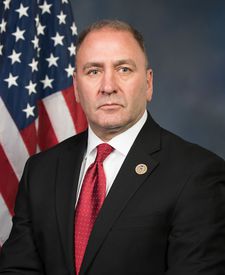

Legislative Progress
IntroducedMrs. Fischbach (for herself, Mr. Stauber, and Mr. Higgins of …
Impact analysis is available but no clear stakeholder effects identified. View clause-level analysis →
Bill Structure & Actor Mappings
Who is "The Secretary" in each section?
- "the_secretary"
- → The Secretary identified in the operative section
Key Definitions
Terms defined in this bill
an institution of higher education, as defined in section 102, that— provides an associate or baccalaureate degree in a field related to law enforcement or criminal justice
an institution of higher education, as defined in section 102, that— provides an associate or baccalaureate degree in a field related to law enforcement or criminal justice
We use a combination of our own taxonomy and classification in addition to large language models to assess meaning and potential beneficiaries. High confidence means strong textual evidence. Always verify with the original bill text.
Learn more about our methodology