Veterans Affairs Peer Review Neutrality Act of 2025
Summary
What This Bill Does
The Veterans Affairs Peer Review Neutrality Act adds a conflict-of-interest section to title 38 for Veterans Health Administration quality management. Individuals conducting peer review, and peer review committee members, must withdraw from a case review if they were directly involved with the care under review or cannot conduct an objective, impartial, accurate, and informed review. Each VA medical facility must develop procedures requiring any initial peer review of care provided by a health care provider who is a member of that facility peer review committee to be evaluated, discussed, and assigned a final level review by a neutral peer review committee at another VA facility. For administrative investigation boards and factfindings, people with confidential quality assurance information specific to the matter may not serve or disclose that information to the board or factfinder. The Secretary must ensure board members and factfinders have no personal interest, bias, direct involvement, or supervisory or personal relationship with the subject of the investigation. Potential members with those conflicts must inform the responsible authority and recuse themselves. The table of sections is updated to add section 7311B.
Who Benefits and How
Veterans receiving VA care benefit if quality reviews and investigations are more impartial. VA clinicians benefit when peer review of their care is handled by reviewers without direct involvement or personal bias. VA peer review committees benefit from a neutral outside-facility process for cases involving committee members. VA medical center leaders benefit from clearer recusal standards for quality management investigations.
Who Bears the Burden and How
VA medical facilities must develop local procedures and guidelines for neutral peer review and recusal. Peer reviewers, committee members, administrative investigation board members, and factfinders must screen for direct involvement, bias, confidential quality-assurance knowledge, and supervisory or personal relationships, then withdraw or recuse when required. The Secretary and VHA quality management staff must enforce these rules across facilities. Neutral peer review committees at other VA facilities may receive additional final-review work.
Key Provisions
- Requires peer reviewers and peer review committee members to withdraw from case reviews when directly involved or unable to be objective.
- Requires neutral peer review at another VA facility for initial reviews involving a peer review committee member.
- Bars people with matter-specific confidential quality assurance information from serving on or disclosing to investigation boards or factfinders.
- Requires administrative investigation board members and factfinders to avoid personal interest, bias, direct involvement, and supervisory or personal relationships.
- Requires conflicted potential members to inform the responsible authority and recuse themselves.
- Adds the new conflict-of-interest section to the title 38 table of sections.
Evidence Chain:
This summary is generated from the full bill text using AI analysis. Expand "Detailed Analysis" below for identified beneficiaries/burden bearers with clause-level evidence links.
At a Glance
What This Bill Does
Requires Veterans Health Administration peer reviewers, peer review committee members, administrative investigation board members, and factfinders to recuse from quality-management matters when they have direct involvement, bias, confidential quality-assurance knowledge, or supervisory or personal relationships, and requires neutral facility review for peer review committee members.
Key Policy Areas
Veterans, Healthcare, Government Oversight
Primary Purpose
Requires Veterans Health Administration peer reviewers, peer review committee members, administrative investigation board members, and factfinders to recuse from quality-management matters when they have direct involvement, bias, confidential quality-assurance knowledge, or supervisory or personal relationships, and requires neutral facility review for peer review committee members.
Policy Domains
Substantive provisions
Identified Gains
- Veterans receiving VA care
- VA clinicians
- VA peer review committees
- VA medical center leaders
Identified Costs
- VA medical facilities
- Peer reviewers
- Administrative investigation board members
- Factfinders
- VHA quality management staff
- Neutral peer review committees
Sponsors

Legislative Progress
In CommitteeReferred to the Subcommittee on Health.
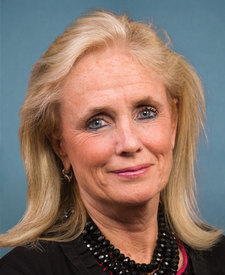
Mrs. Dingell (for herself and Mr. Bergman) introduced the following …
Referred to the House Committee on Veterans' Affairs.
Introduced in House
Stakeholder Effects
cui bono?How this legislation distributes effects. Mention counts reflect frequency, not effect magnitude.
VA clinicians, VA medical facilities, VHA quality management staff
Positive-direction: VA clinicians, Veterans receiving VA care
Negative-direction: VA medical facilities, VHA quality management staff
Administrative investigation board members, Factfinders
Bill Structure & Actor Mappings
Who is "The Secretary" in each section?
We use a combination of our own taxonomy and classification in addition to large language models to assess meaning and potential beneficiaries. High confidence means strong textual evidence. Always verify with the original bill text.
Learn more about our methodology