MINKS are Superspreaders Act
Summary
What This Bill Does
The MINKS are Superspreaders Act adds a new Animal Welfare Act section prohibiting most commercial activity involving captive American mink raised for fur production. Except for entities covered by specified Lacey Act exceptions, no person may transport, sell, receive, acquire, or purchase in interstate or foreign commerce, or breed or possess, any American mink raised in captivity for fur production, whether dead or alive, including any part, product, or offspring. The bill also creates a buyout mechanism: subject to appropriations, the Secretary must seek to purchase privately owned mink farms. The offer amount must account for the most recent three-year average number of mink owned by the farmer and the infrastructure value of the farm. The bill therefore combines a market prohibition on captive mink fur production with a compensation pathway for farm owners if Congress provides funding.
Who Benefits and How
Public health agencies benefit if the ban reduces disease-risk concerns associated with dense captive mink operations. Animal welfare advocates benefit because the bill would end breeding and possession of American mink for fur production in covered commerce. Neighboring communities benefit if buyouts close operations that create zoonotic disease, odor, or waste concerns. Mink farm owners benefit from the possibility of a federal purchase offer that considers herd size and infrastructure value rather than only imposing a ban.
Who Bears the Burden and How
Mink fur farmers bear the main burden because the bill blocks breeding, possession, sale, transport, purchase, and receipt of captive American mink for fur production. Fur processors and buyers lose access to covered mink products and offspring in interstate or foreign commerce. The Secretary must design and administer a buyout program if appropriations are available, including valuations based on three-year herd averages and infrastructure. Federal taxpayers bear buyout costs if Congress funds purchases.
Key Provisions
- Prohibits transport, sale, receipt, acquisition, purchase, breeding, and possession of captive American mink raised for fur production.
- Applies the prohibition to live mink, dead mink, parts, products, and offspring.
- Provides exceptions for specified Lacey Act entities.
- Creates a subject-to-appropriations federal buyout for privately owned mink farms.
- Requires buyout offers to consider the most recent three-year average mink count and farm infrastructure value.
Evidence Chain:
This summary is generated from the full bill text using AI analysis. Expand "Detailed Analysis" below for identified beneficiaries/burden bearers with clause-level evidence links.
At a Glance
What This Bill Does
Amends the Animal Welfare Act to prohibit interstate or foreign commerce, breeding, and possession of captive American mink raised for fur production, while allowing specified Lacey Act entities and creating a subject-to-appropriations federal buyout of privately owned mink farms based on herd averages and infrastructure value.
Key Policy Areas
Agriculture, Public Health, Animal Welfare
Primary Purpose
Amends the Animal Welfare Act to prohibit interstate or foreign commerce, breeding, and possession of captive American mink raised for fur production, while allowing specified Lacey Act entities and creating a subject-to-appropriations federal buyout of privately owned mink farms based on herd averages and infrastructure value.
Policy Domains
Substantive provisions
Identified Gains
- Public health agencies
- Animal welfare advocates
- Neighboring communities
- Mink farm owners
Identified Costs
- Mink fur farmers
- Fur processors
- Fur buyers
- Agriculture Department administrators
- Federal taxpayers
Sponsors

Legislative Progress
In CommitteeReferred to the Subcommittee on Nutrition and Foreign Agriculture.
Referred to the Subcommittee on Livestock, Dairy, and Poultry.
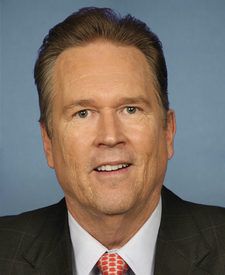
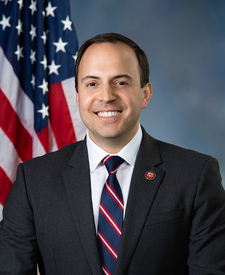
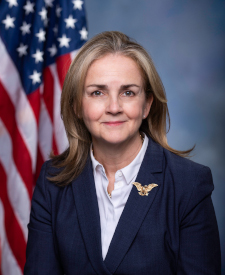
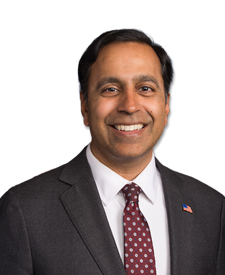
Mr. Buchanan (for himself and Ms. DeLauro) introduced the following …
Referred to the House Committee on Agriculture.
Introduced in House
Bill Structure & Actor Mappings
Who is "The Secretary" in each section?
We use a combination of our own taxonomy and classification in addition to large language models to assess meaning and potential beneficiaries. High confidence means strong textual evidence. Always verify with the original bill text.
Learn more about our methodology