To amend the Homeland Security Act of 2002 and certain other laws relating to certain preparedness, transit, and port security grant programs to improve oversight, transparency, and stakeholder engagement in the administration of such grant programs, and for other purposes.
Sponsors

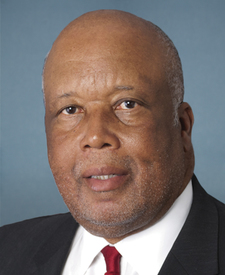
Legislative Progress
IntroducedMr. Kennedy of New York (for himself and Mr. Thompson …
Summary
What This Bill Does
The DHS Grants Accountability Act reforms how the Department of Homeland Security administers its security grant programs. It establishes mandatory timelines for announcing grant opportunities, gives applicants more time to apply, and extends how long grant recipients can use their funds.
Who Benefits and How
State and local governments benefit from more predictable grant timing and longer periods to spend their security funds (54 months instead of shorter periods). Nonprofit organizations, transit agencies, railroad operators, and port authorities all gain from standardized 30-day application windows and 60-day notice periods for funding opportunities. Security equipment vendors and grant consultants may see increased business as grant administration becomes more predictable and accessible.
Who Bears the Burden and How
FEMA and the Department of Homeland Security face increased administrative requirements. The FEMA Administrator must now provide annual notifications to Congress before issuing funding opportunities and meet specific timeline requirements for publishing grant notices. DHS must provide information to stakeholders at least 30 days before any grant guidance is released.
Key Provisions
- Mandates that grant allocations occur at least annually (changing from discretionary "may" to required "shall")
- Requires FEMA to notify House and Senate Homeland Security committees before issuing funding opportunities
- Establishes minimum 60-day window for publishing grant notices after appropriations
- Guarantees applicants at least 30 days to submit applications after notices are published
- Extends grant fund availability to at least 54 months for recipients
- Applies these standards across State Homeland Security Grants, Urban Area Security Initiative, Nonprofit Security Grants, transit security grants, railroad security grants, and port security grants
Evidence Chain:
This summary is derived from the structured analysis below. See "Detailed Analysis" for per-title beneficiaries/burden bearers with clause-level evidence links.
Primary Purpose
Improves oversight, transparency, and stakeholder engagement in DHS preparedness, transit, and port security grant programs by establishing mandatory timelines, extending performance periods, and requiring Congressional notification.
Policy Domains
Legislative Strategy
"Standardize DHS grant administration by establishing mandatory timelines, extending fund availability periods, and increasing Congressional oversight to improve predictability and accountability for grant recipients"
Likely Beneficiaries
- State and local governments receiving homeland security grants
- Urban areas receiving UASI grants
- Nonprofit organizations receiving security grants
- Transit agencies receiving security grants
- Port authorities receiving security grants
- Grant applicants who benefit from longer application windows
- Congressional oversight committees
Likely Burden Bearers
- FEMA Administrator (increased reporting and timeline requirements)
- Department of Homeland Security (additional administrative requirements)
- Secretary of Homeland Security (expanded notification obligations)
Bill Structure & Actor Mappings
Who is "The Secretary" in each section?
- "the_secretary"
- → Secretary of Homeland Security
- "the_administrator"
- → FEMA Administrator
Key Definitions
Terms defined in this bill
Refers to Section 2003 (State Homeland Security Grant Program), Section 2004 (Urban Area Security Initiative), and Section 2009 (Nonprofit Security Grant Program) of the Homeland Security Act of 2002
We use a combination of our own taxonomy and classification in addition to large language models to assess meaning and potential beneficiaries. High confidence means strong textual evidence. Always verify with the original bill text.
Learn more about our methodology