NOEM Act
Summary
What This Bill Does
The NOEM Act is a narrow civil-rights enforcement bill. It amends the first sentence of 42 U.S.C. 1983, the Reconstruction-era civil action statute commonly used for constitutional and federal-rights claims against State actors. The amendment inserts persons acting under Federal immigration enforcement authority into the statute. In practical terms, people alleging that a person acting under Federal immigration enforcement authority deprived them of rights secured by the Constitution or federal law would have an express statutory civil-action route under section 1983. The bill does not rewrite immigration enforcement authority itself; it changes the accountability mechanism available after alleged misconduct.
Who Benefits and How
Individuals subject to Federal immigration enforcement benefit because they gain a clearer statutory path to seek damages or other relief for alleged constitutional or federal-rights violations. Immigration detainees and people stopped or arrested by immigration officers benefit if courts treat Federal immigration enforcement actors like covered defendants under section 1983. Civil rights attorneys benefit from a familiar cause of action and existing section 1983 doctrine. Federal courts benefit from clearer statutory text identifying the covered enforcement authority.
Who Bears the Burden and How
Federal immigration officers bear greater litigation exposure for alleged rights violations. DHS immigration enforcement agencies must account for possible section 1983 litigation risk in training, supervision, and misconduct response. Justice Department litigators may face additional defense work. Federal courts may see new filings testing how section 1983 remedies apply to persons acting under Federal immigration enforcement authority.
Key Provisions
- Adds Federal immigration enforcement authority to the civil action text of 42 U.S.C. 1983.
- Provides a clearer civil-rights remedy for alleged misconduct by persons acting under that authority.
- Leaves underlying immigration enforcement powers unchanged while changing post-misconduct accountability.
- Requires courts and litigators to apply section 1983 doctrine to the added federal immigration-enforcement category.
Evidence Chain:
This summary is generated from the full bill text using AI analysis. Expand "Detailed Analysis" below for identified beneficiaries/burden bearers with clause-level evidence links.
At a Glance
What This Bill Does
Amends 42 U.S.C. 1983 so civil-rights suits can be brought against persons acting under Federal immigration enforcement authority, not only against persons acting under State or territorial law.
Key Policy Areas
Immigration, Civil Rights, Law Enforcement
Primary Purpose
Amends 42 U.S.C. 1983 so civil-rights suits can be brought against persons acting under Federal immigration enforcement authority, not only against persons acting under State or territorial law.
Policy Domains
Substantive provisions
Identified Gains
- Individuals subject to immigration enforcement
- Immigration detainees
- Civil rights attorneys
- Federal courts
Identified Costs
- Federal immigration officers
- DHS immigration enforcement agencies
- Justice Department litigators
- Federal courts
Sponsors
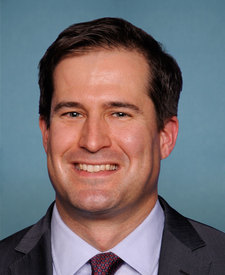

Legislative Progress
In CommitteeMr. Moulton introduced the following bill; which was referred to …
Referred to the House Committee on the Judiciary.
Introduced in House
Bill Structure & Actor Mappings
Who is "The Secretary" in each section?
We use a combination of our own taxonomy and classification in addition to large language models to assess meaning and potential beneficiaries. High confidence means strong textual evidence. Always verify with the original bill text.
Learn more about our methodology