To direct the Secretary of Defense to establish a pilot program to provide certain members of the Armed Forces with timely and relevant information via text message, and for other purposes.
Summary
What This Bill Does
This bill directs the Secretary of Defense to establish a one-year-deadline pilot program called the Push-Text Initiative for members of the Armed Forces assigned to Marine Corps Installations Pacific in Okinawa, Japan, and their adult dependents. The pilot must automatically enroll eligible members and dependents using available text-message contact information, while allowing any recipient to opt out at any time. Required message categories include military spouse employment opportunities, career counseling, support programs, on-base and off-base child care availability, child care fee assistance, TRICARE benefits, enrollment deadlines, health resources, policy and legal changes affecting members or dependents, and any other resources the Secretary considers relevant to well-being. By October 1, 2027, the Secretary must report to the House and Senate Armed Services Committees on implementation, participation, usage, opt-out rates, message frequency and types, participant feedback, benefits, costs, efficiencies from consolidating other outreach, and recommendations on whether to continue or expand the program across DoD.
Who Benefits and How
Service members in Okinawa benefit because key benefit and family-support information reaches them by text rather than requiring them to search multiple offices or websites. Adult military dependents benefit from direct updates about spouse employment, child care, TRICARE, and policy changes. Military spouses benefit from employment-opportunity and career-counseling notices. Congressional Armed Services Committees benefit from usage data, cost analysis, and expansion recommendations by October 2027.
Who Bears the Burden and How
Defense Department communications staff must build the text-message pilot, use available contact data, manage automatic enrollment, preserve opt-out rights, and curate recurring messages. Marine Corps Installations Pacific administrators must support implementation for Okinawa locations. Privacy and records staff must handle contact information used for enrollment. Federal taxpayers fund the pilot, and DoD must document costs, participation, opt-out rates, and efficiency claims for Congress.
Key Provisions
- Requires DoD to establish the Push-Text Initiative within one year for Marine Corps Installations Pacific in Okinawa.
- Requires automatic enrollment of eligible service members and adult dependents using available text-message contact information.
- Provides an opt-out right for all text-message recipients.
- Requires messages on spouse employment, child care, TRICARE, policy changes, and well-being resources.
- Requires an October 1, 2027 report to the House and Senate Armed Services Committees on participation, benefits, costs, efficiencies, and expansion options.
Evidence Chain:
This summary is generated from the full bill text using AI analysis. Expand "Detailed Analysis" below for identified beneficiaries/burden bearers with clause-level evidence links.
At a Glance
What This Bill Does
Requires the Defense Department to create the Push-Text Initiative pilot for Marine Corps Installations Pacific in Okinawa, automatically enrolling eligible service members and adult dependents in text-message updates on spouse jobs, child care, TRICARE, policy changes, and other well-being resources, with opt-out rights and a 2027 report to Congress.
Key Policy Areas
Defense, Military Families, Communications
Primary Purpose
Requires the Defense Department to create the Push-Text Initiative pilot for Marine Corps Installations Pacific in Okinawa, automatically enrolling eligible service members and adult dependents in text-message updates on spouse jobs, child care, TRICARE, policy changes, and other well-being resources, with opt-out rights and a 2027 report to Congress.
Policy Domains
Substantive provisions
Identified Gains
- Service members in Okinawa
- Adult military dependents
- Military spouses
- Congressional Armed Services Committees
Identified Costs
- Defense Department communications staff
- Marine Corps Installations Pacific administrators
- Privacy compliance staff
- Federal taxpayers
Sponsors
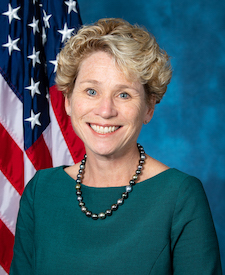

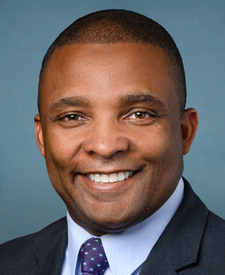


Legislative Progress
In CommitteeMs. Houlahan (for herself, Mrs. Kiggans of Virginia, Mr. Bacon, …
Referred to the House Committee on Armed Services.
Introduced in House
Stakeholder Effects
cui bono?How this legislation distributes effects. Mention counts reflect frequency, not effect magnitude.
Adult military dependents in Okinawa, Marine Corps Installations Pacific administrators, Service members in Okinawa
Positive-direction: Adult military dependents in Okinawa, Service members in Okinawa
Negative-direction: Marine Corps Installations Pacific administrators
Congressional Armed Services Committees, Defense Department communications staff
Positive-direction: Congressional Armed Services Committees
Negative-direction: Defense Department communications staff
Bill Structure & Actor Mappings
Who is "The Secretary" in each section?
We use a combination of our own taxonomy and classification in addition to large language models to assess meaning and potential beneficiaries. High confidence means strong textual evidence. Always verify with the original bill text.
Learn more about our methodology