To amend the Richard B. Russell National School Lunch Act to allow schools that participate in the school lunch program under such Act to serve whole milk.
Summary
What This Bill Does
The Whole Milk for Healthy Kids Act of 2025 amends the Richard B. Russell National School Lunch Act. It requires participating schools to offer students a variety of fluid milk and allows them to offer flavored and unflavored organic or non-organic whole, reduced-fat, low-fat, fat-free, and lactose-free milk. Schools must provide a fluid-milk substitute for a student whose disability restricts diet when they receive a written statement from a licensed physician, parent, or legal guardian identifying the disability and specifying the substitute.
The bill says milk fat in fluid milk offered under the rule does not count as saturated fat when measuring compliance with the allowable average saturated fat content of a meal under 7 C.F.R. 210.10 or successor regulations. It also directs the Secretary to prohibit National School Lunch Program schools from purchasing or offering milk produced by a China state-owned enterprise and prevents the Secretary from banning schools from offering the permitted milk types.
Who Benefits and How
Students in school lunch programs benefit from more milk options, including whole milk and lactose-free milk. Students with disabilities benefit because schools must provide the specified milk substitute when documentation is supplied. Dairy farmers producing whole milk benefit because schools can offer whole milk in reimbursable lunches. Organic dairy producers benefit because organic whole, reduced-fat, low-fat, fat-free, and lactose-free milk can be offered. Dairy processors benefit from expanded school milk demand. Schools participating in the lunch program benefit from clearer authority to offer the listed milk varieties.
Who Bears the Burden and How
USDA Food and Nutrition Service staff must update school-meal guidance and enforce the China state-owned enterprise prohibition. School food service directors must adjust purchasing, menus, and disability-substitute procedures. China state-owned dairy enterprises lose access to school lunch milk purchases. School nutrition compliance staff must apply the rule excluding milk fat from saturated-fat calculations. Parents or guardians seeking substitutes must provide written statements identifying the disability and substitute.
Key Provisions
- Allows schools to offer flavored or unflavored organic or non-organic whole, reduced-fat, low-fat, fat-free, and lactose-free milk.
- Requires fluid-milk substitutes for students whose disability restricts diet when written documentation is provided.
- Provides that milk fat in offered fluid milk does not count toward saturated-fat meal compliance.
- Prohibits schools from purchasing or offering milk produced by China state-owned enterprises.
- Bars the Secretary from prohibiting schools from offering the listed milk varieties.
- Amends the National School Lunch Act milk rules for participating schools.
Evidence Chain:
This summary is generated from the full bill text using AI analysis. Expand "Detailed Analysis" below for identified beneficiaries/burden bearers with clause-level evidence links.
At a Glance
What This Bill Does
Allows schools in the National School Lunch Program to offer flavored or unflavored organic or non-organic whole, reduced-fat, low-fat, fat-free, and lactose-free milk, excludes milk fat from saturated-fat meal compliance, requires disability-related milk substitutes, and bars schools from purchasing or offering milk produced by China state-owned enterprises.
Key Policy Areas
School Nutrition, Dairy, Agriculture, China
Primary Purpose
Allows schools in the National School Lunch Program to offer flavored or unflavored organic or non-organic whole, reduced-fat, low-fat, fat-free, and lactose-free milk, excludes milk fat from saturated-fat meal compliance, requires disability-related milk substitutes, and bars schools from purchasing or offering milk produced by China state-owned enterprises.
Policy Domains
House resolution provisions
Identified Gains
- Students in school lunch programs
- Students with disabilities
- Dairy farmers producing whole milk
- Organic dairy producers
- Dairy processors
- Schools participating in the lunch program
Identified Costs
- USDA Food and Nutrition Service staff
- School food service directors
- China state-owned dairy enterprises
- School nutrition compliance staff
- Parents seeking milk substitutes
Sponsors
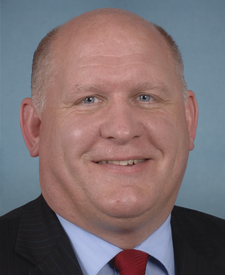

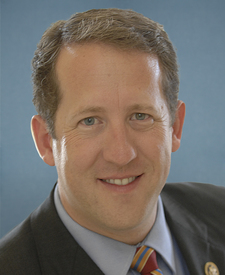
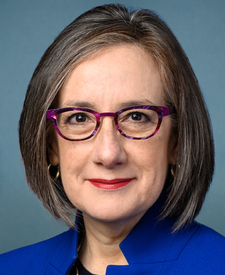
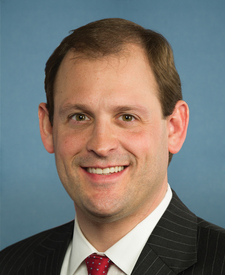
Legislative Progress
ReportedAdditional sponsors: Ms. Maloy, Mr. Gray, Mr. Nunn of Iowa, …
Reported with an amendment, committed to the Committee of the …
Mr. Thompson of Pennsylvania (for himself, Ms. Schrier, Mr. Finstad, …
Stakeholder Effects
cui bono?How this legislation distributes effects. Mention counts reflect frequency, not effect magnitude.
Dairy farmers producing whole milk, Dairy processors, Milk distributors
Students in school lunch programs, Students with disabilities needing milk substitutes
Bill Structure & Actor Mappings
Who is "The Secretary" in each section?
- "fns"
- → Food and Nutrition Service
- "usda"
- → Department of Agriculture
We use a combination of our own taxonomy and classification in addition to large language models to assess meaning and potential beneficiaries. High confidence means strong textual evidence. Always verify with the original bill text.
Learn more about our methodology