SAFE BOTs Act
Summary
What This Bill Does
The SAFE BOTs Act creates a federal safety framework for consumer chatbots used by minors under 17 when a provider has actual knowledge of the age or would know but for willful disregard. Chatbot providers may not tell a covered minor user that a chatbot is a licensed professional unless that is true. Providers must clearly disclose that the chatbot is an artificial intelligence system rather than a natural person at the first interaction and when asked whether it is AI. If a covered user prompts the chatbot about suicide or suicidal ideation, the provider must disclose resources for a suicide and crisis intervention hotline. The disclosures must be clear, age-appropriate, and plain-language. Providers must maintain policies that trigger a break reminder after three continuous hours of interaction and address sexual material harmful to minors, gambling, illegal drugs, tobacco, and alcohol. These duties take effect one year after enactment and are enforced by the FTC as unfair or deceptive acts or practices, with State attorneys general allowed to sue for injunctions, compliance, damages, restitution, and other relief after notice to the FTC. The bill also directs HHS through NIH to conduct a four-year longitudinal study on chatbot risks and benefits for minor mental health, including loneliness, anxiety, social skills, isolation, depression, self-harm, and suicidal ideation. It preempts State laws covering the same disclosure and safety-policy matters, excludes incidental chat functions from the chatbot-provider definition, and says providers do not have to collect new age data they do not already collect.
Who Benefits and How
Minors using chatbots benefit from clearer notice that they are interacting with AI rather than a human professional, crisis resources when suicide is raised, break prompts after three hours, and policies addressing age-inappropriate sexual material, gambling, drugs, tobacco, and alcohol. Parents benefit because providers serving known minor users must build safety practices into the product rather than leaving all monitoring to families. State attorneys general benefit from an express parens patriae enforcement route. NIH researchers benefit from a mandate to study chatbot mental-health effects with mental health experts, technologists, ethicists, and educators.
Who Bears the Burden and How
Consumer chatbot providers must redesign disclosures, crisis-response triggers, break reminders, safety policies, and compliance systems within one year. The FTC must enforce the new duties and coordinate with State enforcement notices. NIH and HHS must run a four-year longitudinal study and report to Congress. State legislatures lose room to maintain overlapping chatbot rules for the same matters because the bill preempts them. Providers that are covered can face FTC penalties, State suits, damages, restitution, and injunctions for violations.
Key Provisions
- Prohibits covered chatbots from falsely claiming to be licensed professionals.
- Requires AI-identity disclosures at first interaction and when a covered minor asks whether the chatbot is AI.
- Requires suicide and crisis hotline resources when a covered minor prompts about suicide or suicidal ideation.
- Requires break prompts after three continuous hours and safety policies for sexual material, gambling, drugs, tobacco, and alcohol.
- Provides FTC enforcement and State attorney general civil actions with notice and intervention rules.
- Requires NIH to conduct a four-year longitudinal study on chatbot mental-health risks and benefits for minors.
- Restricts overlapping State chatbot laws while preserving incidental chat functions and avoiding new age-data collection mandates.
Evidence Chain:
This summary is generated from the full bill text using AI analysis. Expand "Detailed Analysis" below for identified beneficiaries/burden bearers with clause-level evidence links.
At a Glance
What This Bill Does
Regulates consumer chatbots used by minors by banning false licensed-professional claims, requiring AI and crisis-hotline disclosures, mandating break prompts and safety policies, creating FTC and State enforcement, preempting overlapping State rules, and directing NIH to study chatbot mental-health effects on minors.
Key Policy Areas
Technology, Consumer Protection, Mental Health
Primary Purpose
Regulates consumer chatbots used by minors by banning false licensed-professional claims, requiring AI and crisis-hotline disclosures, mandating break prompts and safety policies, creating FTC and State enforcement, preempting overlapping State rules, and directing NIH to study chatbot mental-health effects on minors.
Policy Domains
Substantive provisions
Identified Gains
- Minors using chatbots
- Parents of minor chatbot users
- State attorneys general
- NIH mental health researchers
- Crisis hotline operators
Identified Costs
- Consumer chatbot providers
- Federal Trade Commission staff
- NIH research administrators
- State legislators
- Covered chatbot users
Sponsors
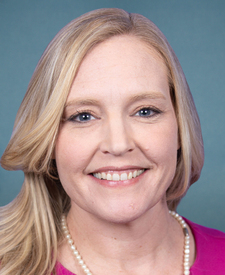
Legislative Progress
In CommitteeForwarded by Subcommittee to Full Committee by Voice Vote.
Subcommittee Consideration and Mark-up Session Held
Mrs. Houchin introduced the following bill; which was referred to …
Referred to the Subcommittee on Commerce, Manufacturing, and Trade.
Referred to the House Committee on Energy and Commerce.
Introduced in House
Stakeholder Effects
cui bono?How this legislation distributes effects. Mention counts reflect frequency, not effect magnitude.
Consumer chatbot providers, Incidental chat service operators
Positive-direction: Incidental chat service operators
Negative-direction: Consumer chatbot providers
Minors using chatbots, Parents of minor chatbot users
Bill Structure & Actor Mappings
Who is "The Secretary" in each section?
We use a combination of our own taxonomy and classification in addition to large language models to assess meaning and potential beneficiaries. High confidence means strong textual evidence. Always verify with the original bill text.
Learn more about our methodology