RESET Act
Summary
What This Bill Does
The RESET Act prohibits a covered platform from allowing an individual to create or maintain an account or profile if the platform knows the individual is a minor under age 16. Within 60 days after enactment, covered platforms must identify accounts or profiles they know belong to minors. Within 180 days after enactment, they must notify those users that the account or profile will be terminated. Within 30 days after notification, they must terminate the account or profile.
When an existing minor account is terminated, the platform must immediately delete all personal data collected from or submitted by that user. To the extent technically feasible and not barred by licensing agreements, the platform must allow the terminated user to request a copy of the user's personal data for 90 days after termination and must provide it within 45 days in readable and portable, structured, machine-readable formats.
Who Benefits and How
Minors under 16 benefit from removal from covered platforms and deletion of personal data when the platform knows they are minors. Parents and guardians concerned about child online safety benefit from a federal rule barring known minor accounts on covered platforms. The Federal Trade Commission benefits from express authority to enforce violations as unfair or deceptive acts or practices. State attorneys general benefit from parens patriae authority to seek injunctions, compliance, damages, restitution, compensation, or other relief for state residents.
Who Bears the Burden and How
Covered platforms must identify known minor accounts, send notices, terminate accounts, delete personal data, process data-copy requests, and defend against FTC or state enforcement. Minor users under 16 lose access to covered platform accounts even if they want to keep them. Platform privacy, trust-and-safety, engineering, and legal teams must build compliance workflows. States bear a preemption burden because state and local governments may not enforce laws or requirements related to the federal section's provisions.
Key Provisions
- Prohibits covered platforms from allowing accounts or profiles for known minors under 16.
- Requires platforms to identify known minor accounts within 60 days.
- Requires platforms to notify known minor users within 180 days and terminate accounts within 30 days after notice.
- Requires immediate deletion of personal data from terminated minor accounts.
- Provides a 90-day window for terminated users to request readable and portable copies of personal data.
- Requires platforms to fulfill data-copy requests within 45 days.
- Authorizes FTC enforcement and state attorney general civil actions.
- Preempts state and local laws related to the federal section's provisions.
Evidence Chain:
This summary is generated from the full bill text using AI analysis. Expand "Detailed Analysis" below for identified beneficiaries/burden bearers with clause-level evidence links.
At a Glance
What This Bill Does
Prohibits covered online platforms from allowing accounts or profiles for minors under 16 when the platform knows the user is a minor, requires termination and deletion of known minor accounts, creates data-portability rights for terminated users, and authorizes FTC and state enforcement with federal preemption.
Key Policy Areas
Online Platforms, Child Online Safety, Data Privacy, FTC Enforcement, State Enforcement
Primary Purpose
Prohibits covered online platforms from allowing accounts or profiles for minors under 16 when the platform knows the user is a minor, requires termination and deletion of known minor accounts, creates data-portability rights for terminated users, and authorizes FTC and state enforcement with federal preemption.
Policy Domains
Section 2 covered platform prohibition on accounts and profiles for minors
Identified Gains
- Minors under 16 with covered platform accounts
- Parents concerned about child online safety
- Federal Trade Commission enforcement staff
- State attorneys general
Identified Costs
- Covered social media platforms
- Platform privacy engineering teams
- Platform trust and safety teams
- Minor users under 16
- State online safety regulators
Sponsors
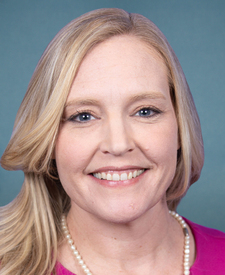

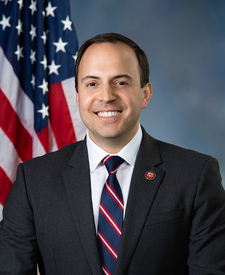
Legislative Progress
In CommitteeMrs. Houchin introduced the following bill; which was referred to …
Referred to the House Committee on Energy and Commerce.
Introduced in House
Stakeholder Effects
cui bono?How this legislation distributes effects. Mention counts reflect frequency, not effect magnitude.
Minor users under 16, Minors under 16 with covered platform accounts
Positive-direction: Minors under 16 with covered platform accounts
Negative-direction: Minor users under 16
Bill Structure & Actor Mappings
Who is "The Secretary" in each section?
- "minor"
- → Individual under age 16
- "commission"
- → Federal Trade Commission
- "covered_platform"
- → Covered platform as defined by the TAKE IT DOWN Act
- "state_attorney_general"
- → State attorney general, official, or agency enforcing as parens patriae
Key Definitions
Terms defined in this bill
Personal information as defined in the Children's Online Privacy Protection Act of 1998.
We use a combination of our own taxonomy and classification in addition to large language models to assess meaning and potential beneficiaries. High confidence means strong textual evidence. Always verify with the original bill text.
Learn more about our methodology