Skinny Labels, Big Savings Act
Summary
What This Bill Does
The Skinny Labels, Big Savings Act amends 35 U.S.C. section 271 to protect drug and biologic applicants that use skinny labeling to avoid patented methods of use. For generic, 505(b)(2), and certain animal-drug applications, submitting or seeking approval of an application with a section viii or comparable statement is not direct, induced, or contributory infringement of a listed method-of-use patent when the proposed labeling carves out the patented use. The safe harbor also covers promoting or commercially marketing the drug with the approved label and describing the product as generic or therapeutically equivalent to the listed drug, as long as the labeling, promotion, or marketing does not reference the patented condition of use identified by the patent owner. The bill creates a similar safe harbor for biosimilar and interchangeable biologic applications under Public Health Service Act section 351(k), including descriptions as biosimilar or interchangeable and commercial marketing with approved labeling, when the biologic has not been approved for the patented condition of use. It defines biological product, biosimilar, interchangeable, reference product, commercial marketing, labeling, and promoting, and applies the amendments to conduct before, on, or after enactment and to pending judicial or other proceedings.
Who Benefits and How
Generic drug manufacturers benefit because approval submissions, skinny-label marketing, and therapeutic-equivalence statements become less exposed to method-of-use infringement claims. Biosimilar applicants benefit from a parallel safe harbor for labels that omit patented conditions of use. Pharmacies, health plans, and patients can benefit if fewer patent disputes delay lower-cost generic or biosimilar competition for unpatented uses. FDA reviewers benefit from clearer statutory treatment of carve-out labeling, section viii statements, and biosimilar labeling boundaries.
Who Bears the Burden and How
Brand-name drug patent holders bear the burden because method-of-use patents become harder to use against skinny-label competitors that avoid the patented use. Reference product sponsors face similar limits for biologic method-of-use claims. Patent litigants and courts must apply the new safe harbors to pending proceedings and past conduct. Generic and biosimilar manufacturers still must keep labeling, promotion, and commercial marketing from referencing the carved-out patented condition.
Key Provisions
- Provides a safe harbor from direct, induced, and contributory infringement for qualifying generic, 505(b)(2), and animal-drug applications with skinny labels.
- Provides a safe harbor for commercial marketing and therapeutic-equivalence descriptions when approved labeling omits the patented use.
- Adds a parallel biologics safe harbor for biosimilar or interchangeable products not approved for patented conditions of use.
- Defines commercial marketing, labeling, promoting, biological product, biosimilar, interchangeable product, and reference product.
- Applies the amendments to past, current, and future conduct and to pending judicial or other proceedings.
Evidence Chain:
This summary is generated from the full bill text using AI analysis. Expand "Detailed Analysis" below for identified beneficiaries/burden bearers with clause-level evidence links.
At a Glance
What This Bill Does
Creates patent-infringement safe harbors for generic, 505(b)(2), animal-drug, and biosimilar applicants using skinny labels that omit patented uses, allowing approval, marketing, and equivalence descriptions when the label does not reference the patented condition of use.
Key Policy Areas
Healthcare, Pharmaceuticals, Intellectual Property
Primary Purpose
Creates patent-infringement safe harbors for generic, 505(b)(2), animal-drug, and biosimilar applicants using skinny labels that omit patented uses, allowing approval, marketing, and equivalence descriptions when the label does not reference the patented condition of use.
Policy Domains
Substantive provisions
Identified Gains
- Generic drug manufacturers
- Biosimilar applicants
- Pharmacies
- Health plans
- Patients
- FDA reviewers
Identified Costs
- Brand-name drug patent holders
- Reference product sponsors
- Patent litigants
- Federal courts
- Generic drug manufacturers
- Biosimilar applicants
Sponsors
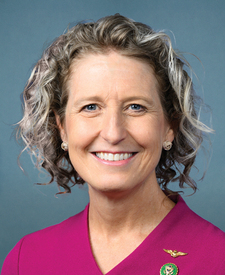
Legislative Progress
In CommitteeMr. Cline (for himself and Ms. Lofgren) introduced the following …
Referred to the House Committee on the Judiciary.
Introduced in House
Bill Structure & Actor Mappings
Who is "The Secretary" in each section?
We use a combination of our own taxonomy and classification in addition to large language models to assess meaning and potential beneficiaries. High confidence means strong textual evidence. Always verify with the original bill text.
Learn more about our methodology