Housing to Homes Act of 2025
Summary
What This Bill Does
The Housing to Homes Act adds furniture-bank support to federal homelessness assistance. It defines a furniture bank as a registered charity, nonprofit, or social enterprise that provides household furnishings at little or no cost to people or families in need, including people experiencing homelessness. It then amends the McKinney-Vento Continuum of Care eligible activities list so CoC funds can pay a furniture bank for household furnishings, delivery, installation, and assembly for three groups: people currently homeless, people who were homeless within the prior six months and are now in permanent housing, and people moving from homelessness into permanent supportive housing. Furnishings become the sole property of the individual or family. HUD must report to Congress after three years on the impact of these furniture-bank payments. HUD must also post annual website reports on furniture poverty, including the number of Americans in poverty, links between furniture poverty and reentry into homelessness, and the impact of furniture-bank payments. The authority repeals after five years.
Who Benefits and How
Homeless households benefit because they can receive beds, tables, seating, and other household furnishings as they enter housing. Recently housed families benefit because the bill covers people who were homeless in the prior six months, reducing the chance that an empty apartment undermines housing stability. Furniture banks benefit because CoC programs can pay them for furnishings plus delivery, installation, and assembly. Continuum of Care programs benefit from a new practical housing-stabilization tool. HUD and Congress benefit from required reporting on furniture poverty and program impact.
Who Bears the Burden and How
Continuum of Care administrators must decide when to use grant funds for furniture-bank payments and document eligibility. HUD homelessness program staff must produce a three-year report to Congress and annual public reports on furniture poverty. Furniture banks accepting payments must provide furnishings and logistics services for eligible households. Federal homelessness funds may be redirected from other eligible CoC activities to pay for furnishings.
Key Provisions
- Adds a furniture bank definition covering charities, nonprofits, and social enterprises that provide low-cost or no-cost furnishings.
- Authorizes Continuum of Care payments to furniture banks for furnishings, delivery, installation, and assembly.
- Provides eligibility for currently homeless households, recently homeless households in permanent housing, and households entering permanent supportive housing.
- Requires furnishings to become the sole property of the individual or family.
- Requires HUD reports to Congress and annual public reporting on furniture poverty.
- Repeals the amendments after five years.
Evidence Chain:
This summary is generated from the full bill text using AI analysis. Expand "Detailed Analysis" below for identified beneficiaries/burden bearers with clause-level evidence links.
At a Glance
What This Bill Does
Makes furniture-bank payments an eligible Continuum of Care homelessness assistance activity for people who are homeless, recently homeless, or moving into permanent supportive housing, requires HUD reporting on furniture poverty, and sunsets the authority after five years.
Key Policy Areas
Housing, Social Services, Homelessness
Primary Purpose
Makes furniture-bank payments an eligible Continuum of Care homelessness assistance activity for people who are homeless, recently homeless, or moving into permanent supportive housing, requires HUD reporting on furniture poverty, and sunsets the authority after five years.
Policy Domains
Substantive provisions
Identified Gains
- Homeless households
- Recently housed families
- Furniture banks
- Continuum of Care programs
- HUD homelessness analysts
Identified Costs
- Continuum of Care administrators
- HUD homelessness program staff
- Furniture banks
- Federal homelessness grant recipients
Sponsors


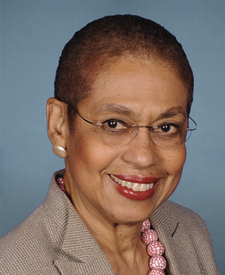
Legislative Progress
In CommitteeMs. Salinas (for herself and Ms. Norton) introduced the following …
Referred to the House Committee on Financial Services.
Introduced in House
Stakeholder Effects
cui bono?How this legislation distributes effects. Mention counts reflect frequency, not effect magnitude.
Continuum of Care administrators, Federal homelessness grant recipients, Homeless households receiving furnishings
Positive-direction: Homeless households receiving furnishings, Recently housed families receiving furnishings
Negative-direction: Continuum of Care administrators
Bill Structure & Actor Mappings
Who is "The Secretary" in each section?
We use a combination of our own taxonomy and classification in addition to large language models to assess meaning and potential beneficiaries. High confidence means strong textual evidence. Always verify with the original bill text.
Learn more about our methodology