To amend the Internal Revenue Code of 1986 to expand the meaning and eligibility of energy communities for purposes of the increased renewable electricity production and increased clean electricity investment credit rates.
Summary
What This Bill Does
The energy communities bill changes the Inflation Reduction Act style bonus-credit rules for clean energy investments. It amends the energy-community definition used for section 45 and section 48E tax credits so a non-metropolitan statistical area can qualify alongside a metropolitan statistical area when the underlying unemployment, fossil fuel employment, or tax-revenue conditions are met. It also removes language in section 48E that would have narrowed eligibility to statistical areas described in section 45(b)(11)(B)(i), making the non-metropolitan expansion apply consistently for clean electricity investment credit purposes. The amendments are effective as if included in the relevant energy-credit provisions of Public Law 119-21, so Treasury and IRS would treat the change as tied to that earlier law rather than only prospectively from this bill.
Who Benefits and How
Renewable energy developers benefit because projects in newly eligible non-metropolitan energy communities can qualify for higher federal tax-credit value. Rural counties with qualifying energy-community indicators benefit if the bonus credit attracts wind, solar, storage, clean electricity, or related investment outside large labor markets. Clean electricity investors benefit from a broader eligible geography and less uncertainty about whether section 48E projects in rural energy communities qualify. Local workers in affected non-metropolitan areas can benefit if the tax bonus increases project development and construction activity.
Who Bears the Burden and How
Treasury tax administrators must update guidance, forms, and eligibility determinations for non-metropolitan energy-community areas. Federal taxpayers bear the cost of any additional credit claims. Developers still must document that a project is in a qualifying non-metropolitan statistical area and meets the underlying energy-community criteria, so the benefit comes with tax-compliance work rather than an automatic payment.
Key Provisions
- Adds non-metropolitan statistical areas to the energy-community bonus-credit definition.
- Modifies section 48E so clean electricity projects can use the expanded energy-community geography.
- Provides retroactive-style effectiveness by tying the amendments to Public Law 119-21 energy-credit provisions.
- Requires Treasury and IRS administrators to apply the broader eligibility rule when reviewing credit claims.
Evidence Chain:
This summary is generated from the full bill text using AI analysis. Expand "Detailed Analysis" below for identified beneficiaries/burden bearers with clause-level evidence links.
At a Glance
What This Bill Does
Expands energy-community bonus-credit eligibility so clean energy projects in qualifying non-metropolitan statistical areas can receive the same tax-credit bonus treatment as projects in qualifying metropolitan statistical areas, with changes effective as part of Public Law 119-21.
Key Policy Areas
Energy, Tax, Economic Development
Primary Purpose
Expands energy-community bonus-credit eligibility so clean energy projects in qualifying non-metropolitan statistical areas can receive the same tax-credit bonus treatment as projects in qualifying metropolitan statistical areas, with changes effective as part of Public Law 119-21.
Policy Domains
Substantive provisions
Identified Gains
- Renewable energy developers
- Clean electricity investors
- Non-metropolitan energy communities
- Local workers in affected rural areas
Identified Costs
- Treasury tax administrators
- Federal taxpayers
- Clean energy project developers
Sponsors


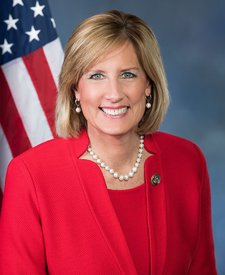

Legislative Progress
In CommitteeMr. Newhouse (for himself, Mr. Fleischmann, and Ms. Tenney) introduced …
Referred to the House Committee on Ways and Means.
Introduced in House
Stakeholder Effects
cui bono?How this legislation distributes effects. Mention counts reflect frequency, not effect magnitude.
Bill Structure & Actor Mappings
Who is "The Secretary" in each section?
We use a combination of our own taxonomy and classification in addition to large language models to assess meaning and potential beneficiaries. High confidence means strong textual evidence. Always verify with the original bill text.
Learn more about our methodology