FREEDOM Act
Summary
What This Bill Does
The bill requires the Secretary of State, in consultation with the Federal Communications Commission and Treasury, to update and supplement the internet-freedom report required by the fiscal year 2025 NDAA. Within 120 days, the report must assess whether direct-to-cell wireless communications technologies could expand internet access for people in Iran, including technical, regulatory, and security considerations. It must analyze how drone-based platforms, signal jamming technologies, and countermeasures affect feasibility, security, economics, and resilience. It must survey terrestrial and non-terrestrial telecommunications providers active in Iran, including state ownership or control, foreign participation or investment, and implications for communications freedom and censorship. The report is unclassified but may include a classified annex.
Who Benefits and How
People in Iran benefit if the report helps identify resilient communications options that can bypass censorship or outages. Congress benefits from a focused assessment of direct-to-cell, drone-based, jamming, and provider-ownership issues before deciding whether to support new internet-freedom tools. Telecommunications companies and satellite providers may benefit if their technologies are identified as feasible options.
Who Bears the Burden and How
State Department officials must produce the report within 120 days and coordinate technical, regulatory, security, provider-ownership, censorship, and classified-annex analysis. FCC and Treasury staff must provide consultation. Iran-based telecommunications providers may receive scrutiny over state control, foreign investment, and censorship implications.
Key Provisions
- Requires a State Department report within 120 days updating the fiscal year 2025 NDAA internet-freedom strategy for Iran.
- Directs assessment of direct-to-cell wireless technology for expanding internet access in Iran.
- Requires analysis of drone platforms, signal jamming, countermeasures, technical feasibility, security, economics, and resilience.
- Requires a survey of terrestrial and non-terrestrial telecommunications providers active in Iran, including ownership, control, investment, and censorship implications.
- Allows an unclassified report with a classified annex.
Evidence Chain:
This summary is generated from the full bill text using AI analysis. Expand "Detailed Analysis" below for identified beneficiaries/burden bearers with clause-level evidence links.
At a Glance
What This Bill Does
Requires the State Department, consulting FCC and Treasury, to report within 120 days on using direct-to-cell wireless, drone and jamming countermeasures, and terrestrial or non-terrestrial providers to expand internet freedom in Iran.
Key Policy Areas
Foreign Affairs, Technology, Telecommunications
Primary Purpose
Requires the State Department, consulting FCC and Treasury, to report within 120 days on using direct-to-cell wireless, drone and jamming countermeasures, and terrestrial or non-terrestrial providers to expand internet freedom in Iran.
Policy Domains
Substantive provisions
Identified Gains
- People in Iran
- Congressional foreign-affairs committees
- Telecommunications companies
- Satellite communications providers
Identified Costs
- Department of State
- Federal Communications Commission
- Department of the Treasury
- Iran telecommunications providers
Sponsors


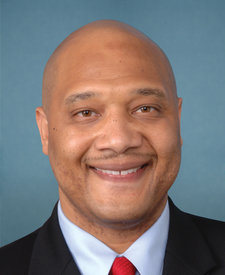

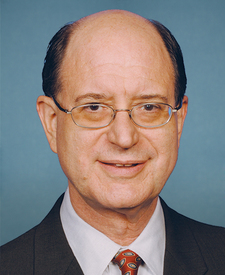
Legislative Progress
In CommitteeMr. Min (for himself, Ms. Tenney, Ms. Ansari, Ms. Salazar, …
Referred to the House Committee on Foreign Affairs.
Introduced in House
Stakeholder Effects
cui bono?How this legislation distributes effects. Mention counts reflect frequency, not effect magnitude.
Congressional foreign-affairs committees, State Department internet freedom office
Positive-direction: Congressional foreign-affairs committees
Negative-direction: State Department internet freedom office
Bill Structure & Actor Mappings
Who is "The Secretary" in each section?
We use a combination of our own taxonomy and classification in addition to large language models to assess meaning and potential beneficiaries. High confidence means strong textual evidence. Always verify with the original bill text.
Learn more about our methodology