National Museum of the Blind People’s Movement Act
Summary
What This Bill Does
The bill makes findings about disability civil rights, systemic discrimination and low expectations faced by blind people, the 1940 founding of the National Federation of the Blind, the influence of blind-led organizations, and the collection of artifacts, documents, and literature held by the National Federation of the Blind. It states that the United States lacks a cultural institution centered on blind people and their movement. The operative provision designates the Museum of the Blind Peoples Movement, located inside the National Federation of the Blind Jernigan Institute at 200 East Wells Street in Baltimore, Maryland, as the National Museum of the Blind Peoples Movement.
Who Benefits and How
The National Federation of the Blind benefits from federal recognition of its museum and archive as a national museum. Blind advocates, researchers, educators, and visitors benefit because the designation elevates the history of blind-led civil-rights organizing and preserves artifacts and literature tied to that movement. Baltimore gains a nationally designated cultural site.
Who Bears the Burden and How
The museum and National Federation of the Blind must continue operating, preserving, curating, and presenting the history that the designation highlights. Federal officials have little direct programmatic burden because the bill designates an existing museum rather than authorizing appropriations. Any practical administrative burden falls on records, signage, outreach, and museum operations.
Key Provisions
- Establishes the Baltimore museum as the National Museum of the Blind Peoples Movement through federal designation.
- Provides federal recognition for the National Federation of the Blind archive and museum as a national platform for blind-led organizing history.
- Provides federal symbolic recognition without creating a new federal museum or authorizing funding.
Evidence Chain:
This summary is generated from the full bill text using AI analysis. Expand "Detailed Analysis" below for identified beneficiaries/burden bearers with clause-level evidence links.
At a Glance
What This Bill Does
Designates the Museum of the Blind Peoples Movement at 200 East Wells Street in Baltimore as the National Museum of the Blind Peoples Movement, recognizing the National Federation of the Blind archive and museum as a national cultural institution.
Key Policy Areas
Civil Rights, Education, Museums
Primary Purpose
Designates the Museum of the Blind Peoples Movement at 200 East Wells Street in Baltimore as the National Museum of the Blind Peoples Movement, recognizing the National Federation of the Blind archive and museum as a national cultural institution.
Policy Domains
Substantive provisions
Identified Gains
- National Federation of the Blind
- Blind advocates
- Researchers
- Educators
- Baltimore visitors
Identified Costs
- Museum of the Blind Peoples Movement
- National Federation of the Blind
- Museum records staff
Sponsors

Legislative Progress
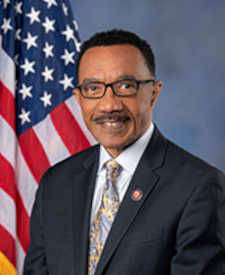
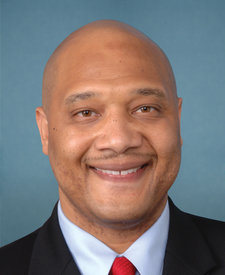
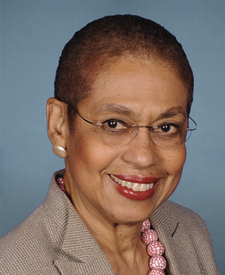
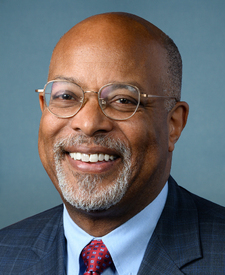
In CommitteeMr. Mfume (for himself, Ms. Simon, Ms. Elfreth, and Ms. …
Referred to the House Committee on Natural Resources.
Introduced in House
Stakeholder Effects
cui bono?How this legislation distributes effects. Mention counts reflect frequency, not effect magnitude.
Museum of the Blind Peoples Movement, Museum records staff
Positive-direction: Museum of the Blind Peoples Movement
Negative-direction: Museum records staff
Bill Structure & Actor Mappings
Who is "The Secretary" in each section?
We use a combination of our own taxonomy and classification in addition to large language models to assess meaning and potential beneficiaries. High confidence means strong textual evidence. Always verify with the original bill text.
Learn more about our methodology