VA Transit Act
Summary
What This Bill Does
The bill directs the Secretary of Transportation, consulting with the Secretary of Veterans Affairs, to establish a pilot grant program within one year to improve public transportation services for veterans. Grants may go to state, local, Tribal, or Tribal-governmental entities for public transportation projects in rural areas or urbanized areas with fewer than 200000 people. The projects can expand, modify, retain, or establish service to VA facilities, VA-funded organizations, or other veteran-serving sites, including capital projects, purchased transportation service agreements, and operating costs. DOT must award grants in at least five eligible locations and, where practicable, distribute them geographically across rural and Tribal communities. Recipients must apply with service plans, served sites, frequency, hours, veteran ridership estimates, and capacity evidence, conduct veteran outreach, report after the five-year pilot, and DOT must report to Congress.
Who Benefits and How
Veterans gain better access to transit routes serving VA facilities, VA-funded organizations, and other veteran-serving sites. Rural communities, Tribal governments, and smaller urban areas benefit because they can receive grant funding for expanded coverage, improved service quality, higher frequency, accessibility improvements, vehicles, purchased service agreements, or operating costs. Transit agencies and nonprofit subrecipients benefit if they receive project funding or service contracts.
Who Bears the Burden and How
DOT must establish and administer the pilot, review applications, distribute grants across at least five locations, and report to Congress. VA must consult on program design. State, local, and Tribal recipients must submit detailed applications, publicize services to veterans, track ridership and accessibility outcomes, and file post-pilot reports. Federal transit funds must cover the grant costs.
Key Provisions
- Establishes a five-year DOT pilot grant program to improve public transportation services for veterans.
- Authorizes eligible state, local, Tribal, and Tribal-governmental recipients in rural areas or urbanized areas under 200000 population.
- Requires applications to describe services, veteran-serving sites, operating frequency, hours, ridership estimates, and legal, technical, and financial capacity.
- Requires recipients to conduct veteran outreach and report on service quality, coverage, accessibility, ridership, vehicles, and use of veteran-serving facilities.
- Requires DOT to report pilot results to House and Senate transportation committees.
Evidence Chain:
This summary is generated from the full bill text using AI analysis. Expand "Detailed Analysis" below for identified beneficiaries/burden bearers with clause-level evidence links.
At a Glance
What This Bill Does
Creates a five-year Department of Transportation pilot grant program, in consultation with VA, to improve public transportation services that connect veterans to VA facilities and other veteran-serving sites in at least five rural, Tribal, or smaller urban locations.
Key Policy Areas
Transportation, Veterans, Tribal Nations
Primary Purpose
Creates a five-year Department of Transportation pilot grant program, in consultation with VA, to improve public transportation services that connect veterans to VA facilities and other veteran-serving sites in at least five rural, Tribal, or smaller urban locations.
Policy Domains
Substantive provisions
Identified Gains
- Veterans needing transit to VA facilities
- Rural transit agencies
- Tribal governments
- Veteran-serving organizations
Identified Costs
- Department of Transportation
- Department of Veterans Affairs
- State transit grant recipients
- Local transit grant recipients
- Tribal transit grant recipients
Sponsors
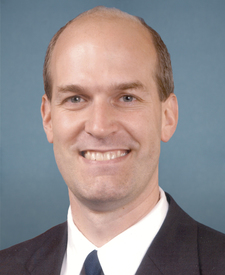
Legislative Progress
In CommitteeReferred to the Subcommittee on Highways and Transit.
Mr. Larsen of Washington introduced the following bill; which was …
Referred to the House Committee on Transportation and Infrastructure.
Introduced in House
Stakeholder Effects
cui bono?How this legislation distributes effects. Mention counts reflect frequency, not effect magnitude.
Department of Transportation transit grants office, VA transit consultation offices
Bill Structure & Actor Mappings
Who is "The Secretary" in each section?
We use a combination of our own taxonomy and classification in addition to large language models to assess meaning and potential beneficiaries. High confidence means strong textual evidence. Always verify with the original bill text.
Learn more about our methodology