Blast Overpressure Research and Mitigation Task Force Act
Summary
What This Bill Does
The Blast Overpressure Research and Mitigation Task Force Act requires the Secretary of Veterans Affairs to establish a Blast Overpressure Task Force within 180 days after enactment. The Task Force is created through the VA-DOD Joint Executive Committee under title 38 section 320, tying VA health-care work to Defense Department coordination.
The Task Force must improve how VA, in consultation with DOD, provides health care and other benefits to veterans and members of the Armed Forces diagnosed with traumatic brain injury, post-traumatic stress disorder, or other symptoms from blast overpressure or blast exposure. It must align VA research agendas and acquisition strategies, establish physiological and cognitive performance baselines, prioritize translational research on sleep therapy, blast-related gut health, mobile diagnostics, vestibular dysfunction, autonomic nervous system dysregulation, cumulative mild traumatic brain injury, neuroinflammation, glial activation, and other issues selected by the Secretary. It must monitor sensory decline and stress-related impairments and support continuity of care by integrating mobile and longitudinal diagnostic tools. Annual reports go to the House and Senate Veterans' Affairs and Armed Services Committees.
Who Benefits and How
Veterans with blast-related traumatic brain injury benefit because VA must focus care, benefits, baselines, diagnostics, and research on blast overpressure symptoms. Veterans with post-traumatic stress disorder benefit from a task force that explicitly includes stress-related impairments and continuity of care. Service members exposed to blast overpressure benefit because the work covers current members of the Armed Forces as well as veterans. VA researchers benefit from a prioritized translational research agenda. Military medical researchers benefit from VA-DOD coordination through the Joint Executive Committee. Congressional veterans and armed-services committees benefit from annual reports.
Who Bears the Burden and How
The Secretary of Veterans Affairs must establish the Task Force within 180 days. VA health-care program staff must improve care and benefits for covered conditions and integrate diagnostic tools. DOD medical coordination staff must consult with VA through the Joint Executive Committee. VA acquisition staff must align acquisition strategies with research and care needs. Task Force members must monitor sensory decline, performance baselines, and stress-related impairments and prepare annual reports.
Key Provisions
- Requires creation of a VA Blast Overpressure Task Force within 180 days.
- Establishes the Task Force through the VA-DOD Joint Executive Committee.
- Requires improved care and benefits for veterans and service members with blast-related TBI, PTSD, and other symptoms.
- Requires alignment of research agendas and acquisition strategies.
- Requires physiological and cognitive performance baselines.
- Prioritizes translational research on sleep therapy, gut health, mobile diagnostics, vestibular dysfunction, autonomic dysregulation, cumulative mild TBI, neuroinflammation, and glial activation.
- Requires monitoring of sensory decline and stress-related impairments.
- Requires annual reports to House and Senate veterans and armed-services committees.
Evidence Chain:
This summary is generated from the full bill text using AI analysis. Expand "Detailed Analysis" below for identified beneficiaries/burden bearers with clause-level evidence links.
At a Glance
What This Bill Does
Requires the Secretary of Veterans Affairs, through the VA-DOD Joint Executive Committee, to establish a Blast Overpressure Task Force within 180 days to improve care and benefits for veterans and service members with traumatic brain injury, post-traumatic stress disorder, and other blast-exposure symptoms, align research and acquisition strategies, set physiological and cognitive baselines, prioritize translational research, monitor sensory and stress-related decline, integrate mobile and longitudinal diagnostics, and issue annual reports to veterans and armed-services committees.
Key Policy Areas
Veterans Health, Military Health, Medical Research, Federal Reporting
Primary Purpose
Requires the Secretary of Veterans Affairs, through the VA-DOD Joint Executive Committee, to establish a Blast Overpressure Task Force within 180 days to improve care and benefits for veterans and service members with traumatic brain injury, post-traumatic stress disorder, and other blast-exposure symptoms, align research and acquisition strategies, set physiological and cognitive baselines, prioritize translational research, monitor sensory and stress-related decline, integrate mobile and longitudinal diagnostics, and issue annual reports to veterans and armed-services committees.
Policy Domains
House resolution provisions
Identified Gains
- Veterans with blast-related traumatic brain injury
- Veterans with post-traumatic stress disorder
- Service members exposed to blast overpressure
- VA researchers
- Military medical researchers
- Congressional veterans committees
- Congressional armed-services committees
Identified Costs
- Secretary of Veterans Affairs
- VA health-care program staff
- DOD medical coordination staff
- VA acquisition staff
- Task Force members
Sponsors
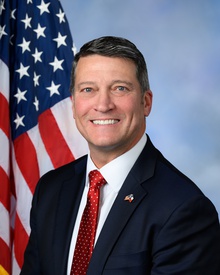
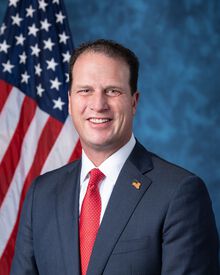



Legislative Progress
ReportedOrdered to be Reported (Amended) by Voice Vote.
Committee Consideration and Mark-up Session Held
Forwarded by Subcommittee to Full Committee (Amended) by Voice Vote.
Subcommittee Consideration and Mark-up Session Held
Subcommittee Hearings Held
Referred to the Subcommittee on Health.
Mr. Jackson of Texas (for himself, Mr. Alford, Mr. Smith …
Referred to the Committee on Veterans' Affairs, and in addition …
Introduced in House
Stakeholder Effects
cui bono?How this legislation distributes effects. Mention counts reflect frequency, not effect magnitude.
VA health-care program staff, Veterans with blast-related traumatic brain injury, Veterans with post-traumatic stress disorder
Positive-direction: Veterans with blast-related traumatic brain injury, Veterans with post-traumatic stress disorder
Negative-direction: VA health-care program staff
DOD medical coordination staff, Service members exposed to blast overpressure
Positive-direction: Service members exposed to blast overpressure
Negative-direction: DOD medical coordination staff
Bill Structure & Actor Mappings
Who is "The Secretary" in each section?
- "va"
- → Department of Veterans Affairs
- "dod"
- → Department of Defense
We use a combination of our own taxonomy and classification in addition to large language models to assess meaning and potential beneficiaries. High confidence means strong textual evidence. Always verify with the original bill text.
Learn more about our methodology