Puerto Rico Postal Equity Act of 2025
Summary
What This Bill Does
The bill turns Puerto Rico address failures into a Postal Service systems project. USPS must use undeliverable-as-addressed codes, delivery exception records, address-management data, delivery point validation, consumer complaints, and website validation outcomes to find Puerto Rico locations with persistent recognition or delivery problems. It then must update records, routing information, validation tables, address matching, and delivery-routing systems, including support for Spanish diacritical marks. USPS must consult the Census Bureau, the Census Open Innovation Lab, the Puerto Rico Planning Board, and local governments, then report annually for three years.
Who Benefits and How
Puerto Rico residents benefit when names, streets, and places with Spanish orthography are less likely to be rejected by federal or private address systems. Puerto Rico small businesses and e-commerce shippers benefit from fewer validation failures and delivery errors. Federal benefit programs gain cleaner address data for eligibility notices, payments, and service delivery.
Who Bears the Burden and How
USPS bears the operating burden because it must change address-management, matching, validation, and routing systems without a new authorization of appropriations. Census and Puerto Rico planning officials also have consultation work, while any cost must be absorbed from existing USPS resources.
Key Provisions
- Requires USPS to identify Puerto Rico locations with repeated address-recognition or delivery failures using operational and complaint data.
- Requires USPS to update address records, routing information, validation tables, address matching, and delivery systems for Puerto Rico.
- Requires support for diacritical marks and other Puerto Rico address elements in USPS systems.
- Requires consultation with Census, the Census Open Innovation Lab, the Puerto Rico Planning Board, and local governments, followed by annual reports for three years.
- Bars new appropriations and requires implementation with existing USPS funds.
Evidence Chain:
This summary is generated from the full bill text using AI analysis. Expand "Detailed Analysis" below for identified beneficiaries/burden bearers with clause-level evidence links.
At a Glance
What This Bill Does
Requires the Postal Service to improve Puerto Rico address recognition by using delivery-error data, updating validation and routing systems, supporting Spanish diacritical marks, consulting Census and Puerto Rico officials, and reporting progress to Congress while using existing USPS funds.
Key Policy Areas
Government Operations, Transportation, Puerto Rico
Primary Purpose
Requires the Postal Service to improve Puerto Rico address recognition by using delivery-error data, updating validation and routing systems, supporting Spanish diacritical marks, consulting Census and Puerto Rico officials, and reporting progress to Congress while using existing USPS funds.
Policy Domains
Substantive provisions
Identified Gains
- Puerto Rico residents
- Puerto Rico small businesses
- Puerto Rico e-commerce shippers
- Federal program beneficiaries in Puerto Rico
Identified Costs
- United States Postal Service
- Postmaster General
- Census Bureau
- Puerto Rico Planning Board
- Federal taxpayers
Sponsors

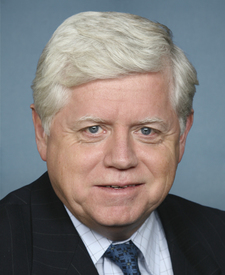
Legislative Progress
In CommitteeMr. Hernández introduced the following bill; which was referred to …
Referred to the House Committee on Oversight and Government Reform.
Introduced in House
Stakeholder Effects
cui bono?How this legislation distributes effects. Mention counts reflect frequency, not effect magnitude.
United States Postal Service address systems, United States Postal Service operations
Puerto Rico local governments supplying address data
Bill Structure & Actor Mappings
Who is "The Secretary" in each section?
We use a combination of our own taxonomy and classification in addition to large language models to assess meaning and potential beneficiaries. High confidence means strong textual evidence. Always verify with the original bill text.
Learn more about our methodology